
Alive speaks to Erhan Ör, CEO of third generation Hereke rug firm Han Halı, about the development of Hereke carpet designs and the history of the family company
Interview: Serra Oruç
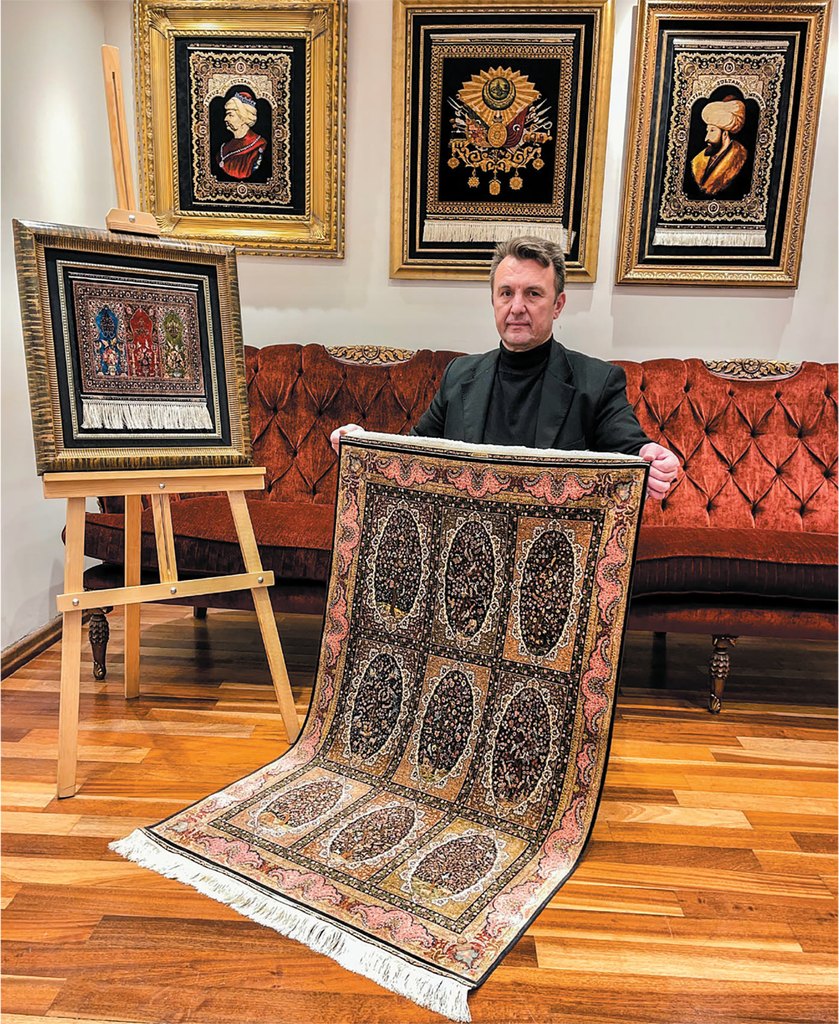
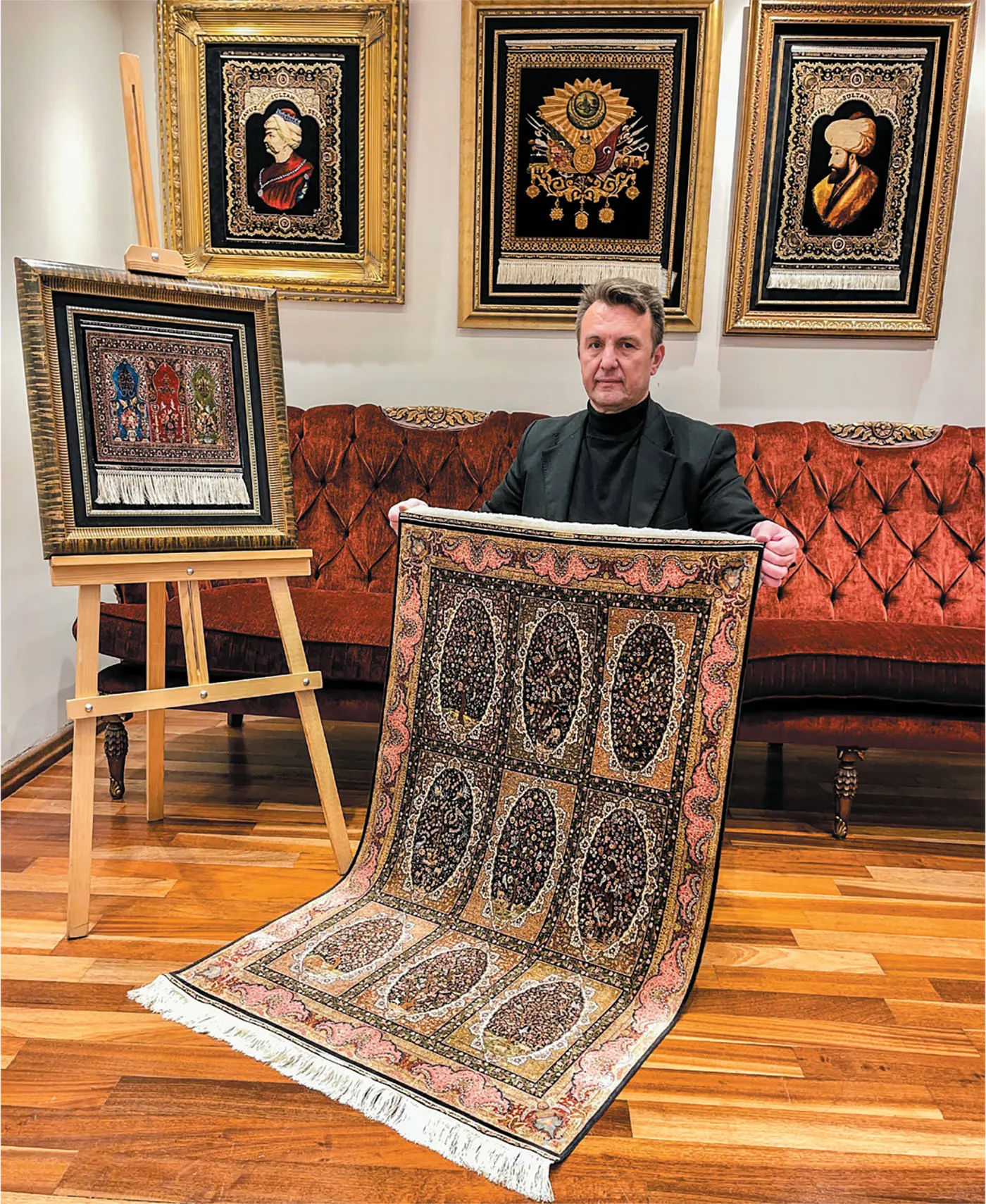
Erhan Ör and Han Halı carpets
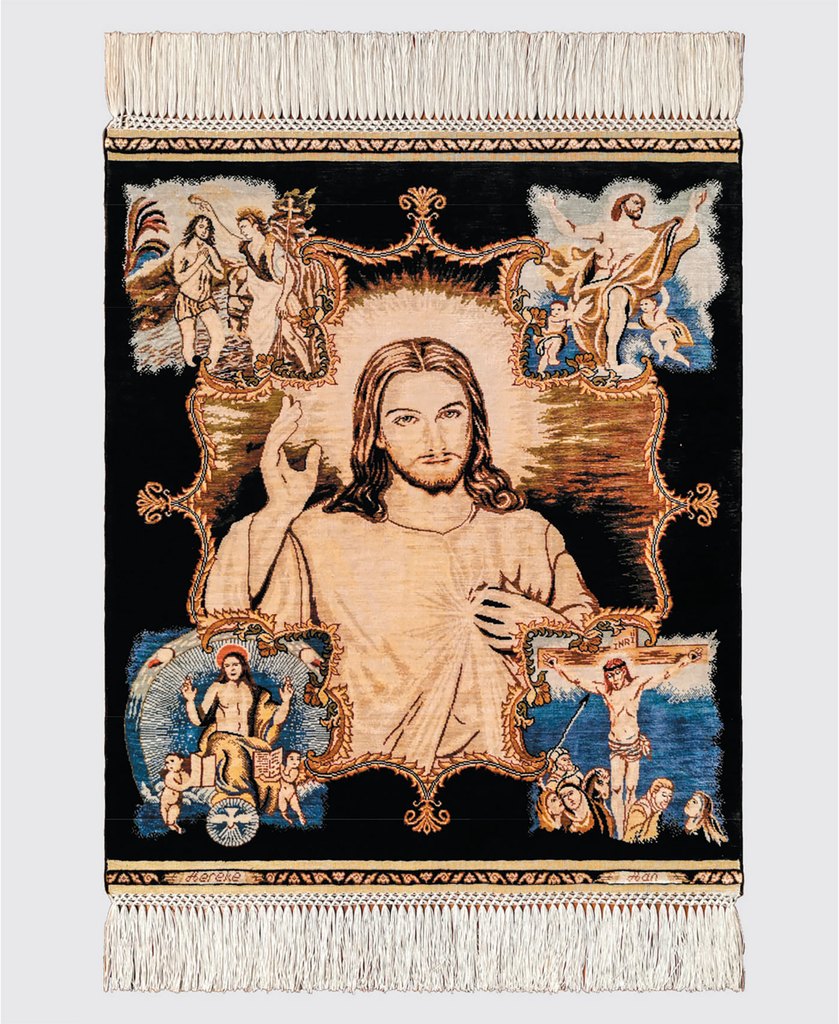
Han Halı carpet
What makes Hereke carpets so valuable even today?
Carpets have played a significant role in the interaction between Turks and Western societies. During the Renaissance, the influence of Turkish carpets on colour and composition in Western painting cannot be overlooked. The Hereke tradition, which began with Sultan Abdülmecid, was further cultivated under Sultan Abdülaziz. In 1867, the Ottoman Empire, under Sultan Abdülaziz’s personal directive, exhibited Hereke carpets at the Paris Exposition. These pieces received great acclaim, further reinforcing Europeans’ pre-existing interest in Turkish carpets with the beauty of Hereke designs. As Hereke carpets gained recognition through international exhibitions, they became part of many royal collections and palace inventories.
In international media, the Fabrika-i Hümayun (Imperial Factory) is sometimes referred to as Sultan Abdülhamid’s “hobby factory”. Known for his artistic inclinations, Sultan Abdülhamid frequently visited the factory and personally engaged in design and weaving.
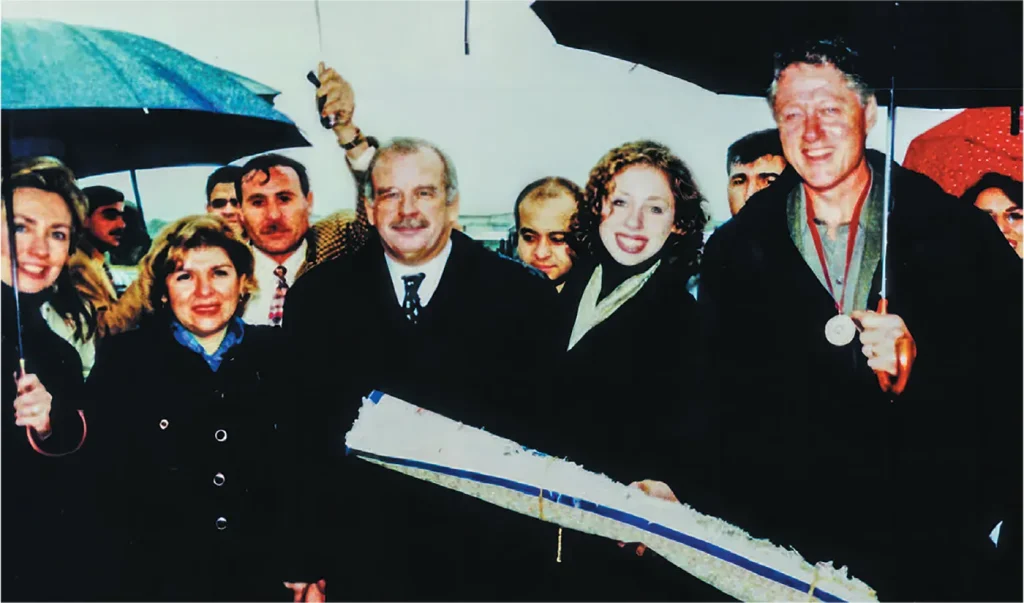
Former President of USA Bill Clinton with his wife Hillary and their daughter Chelsea receiving a Han Halı carpet in 1999
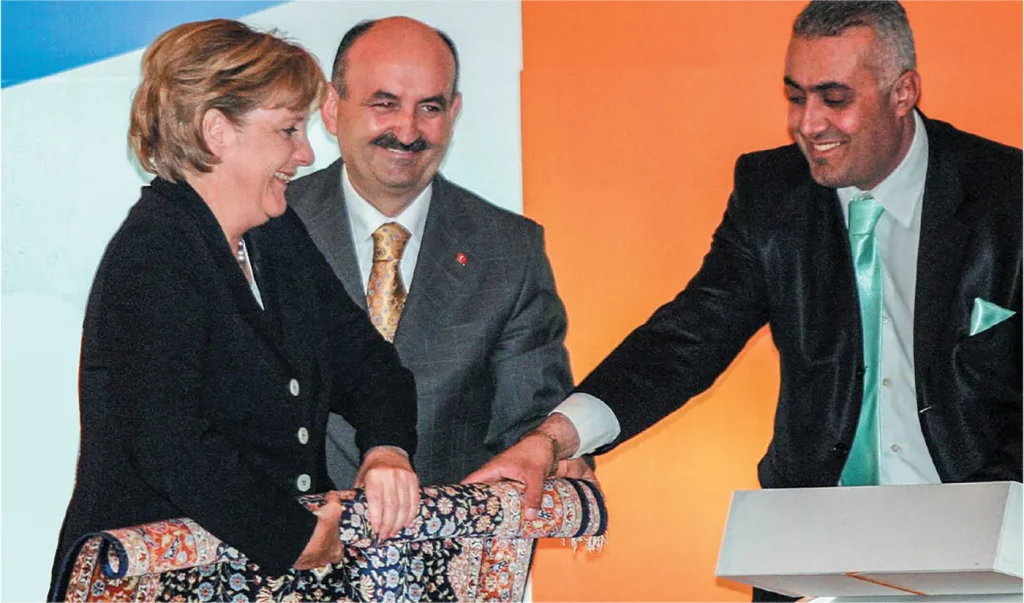
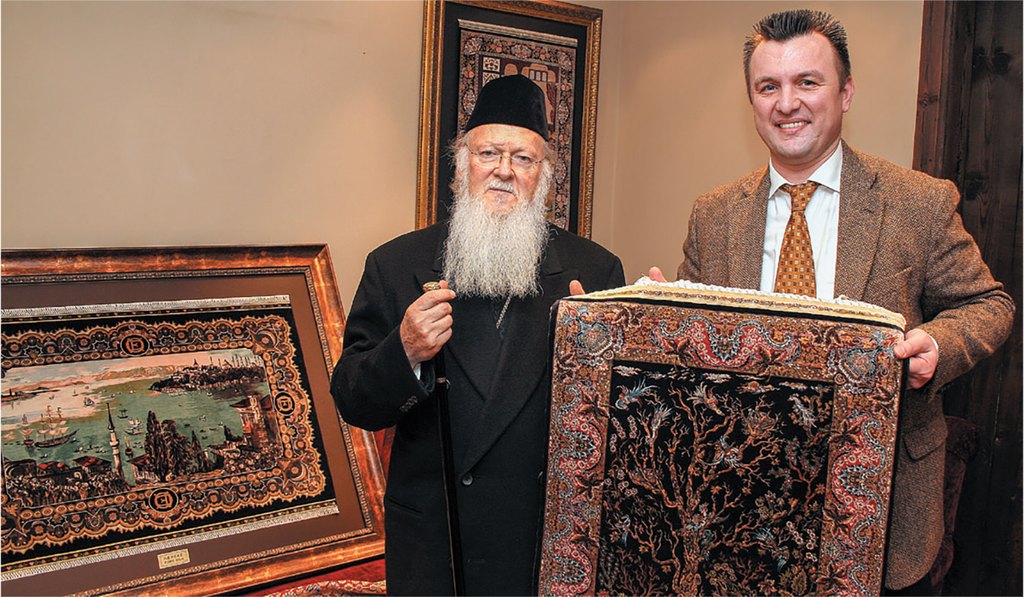
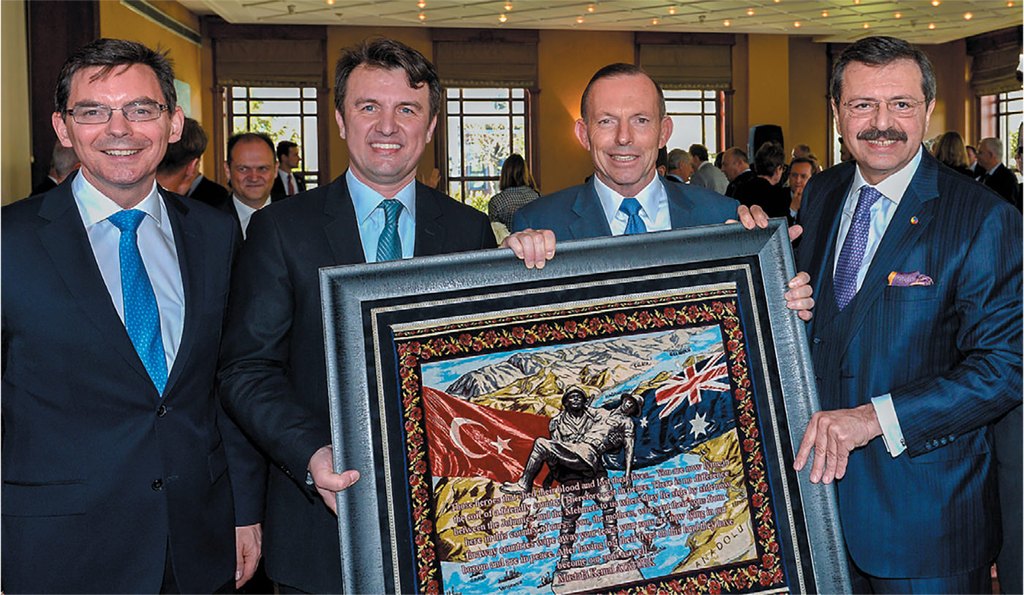
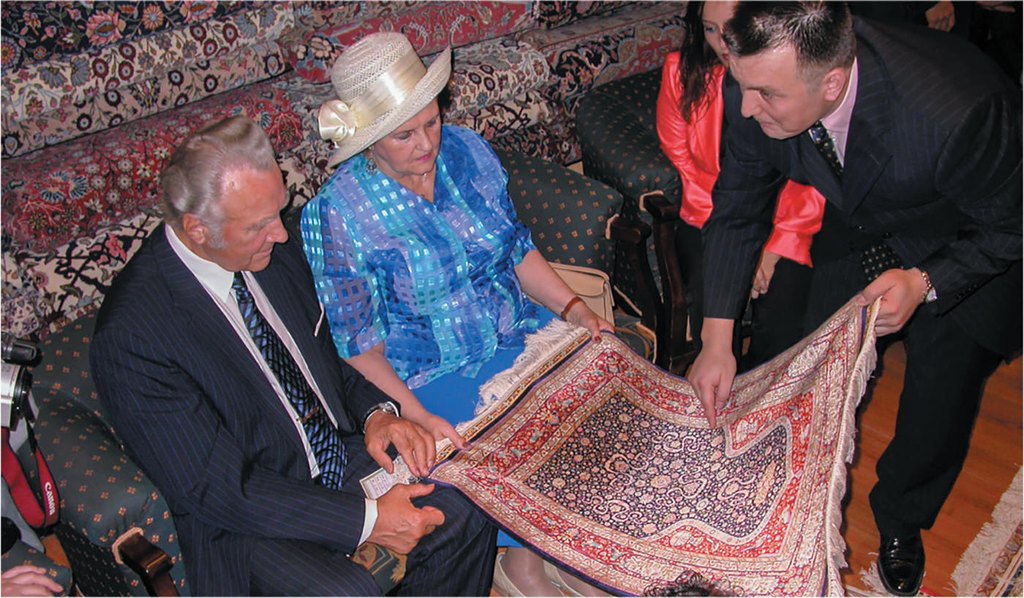
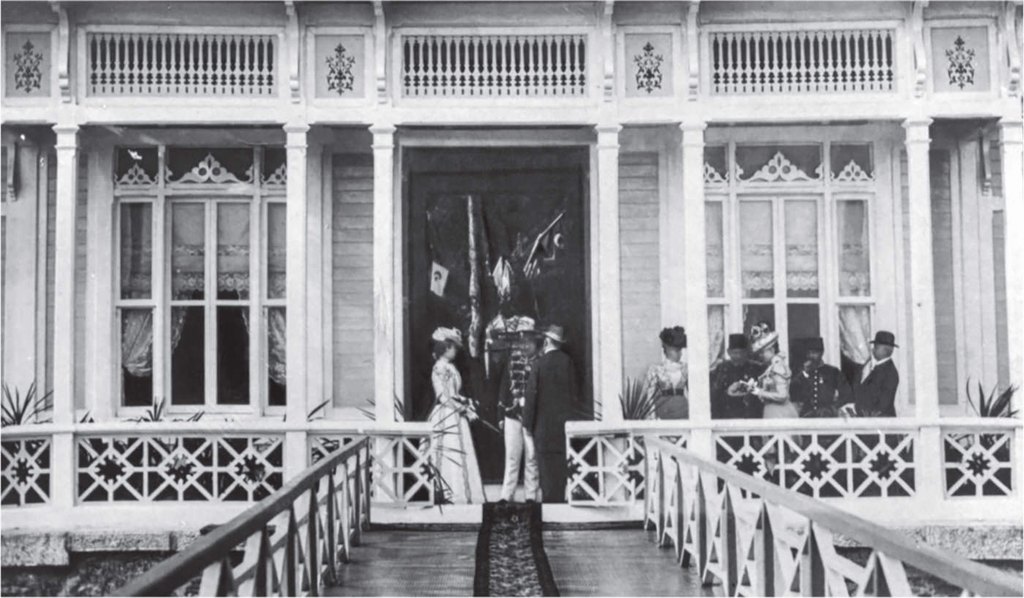
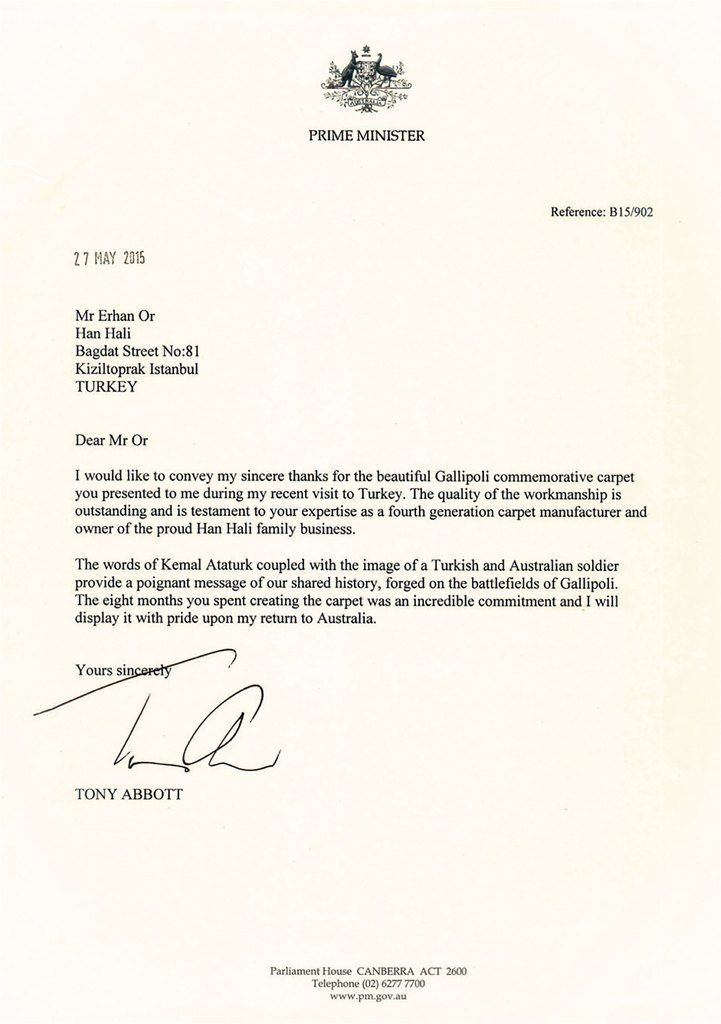
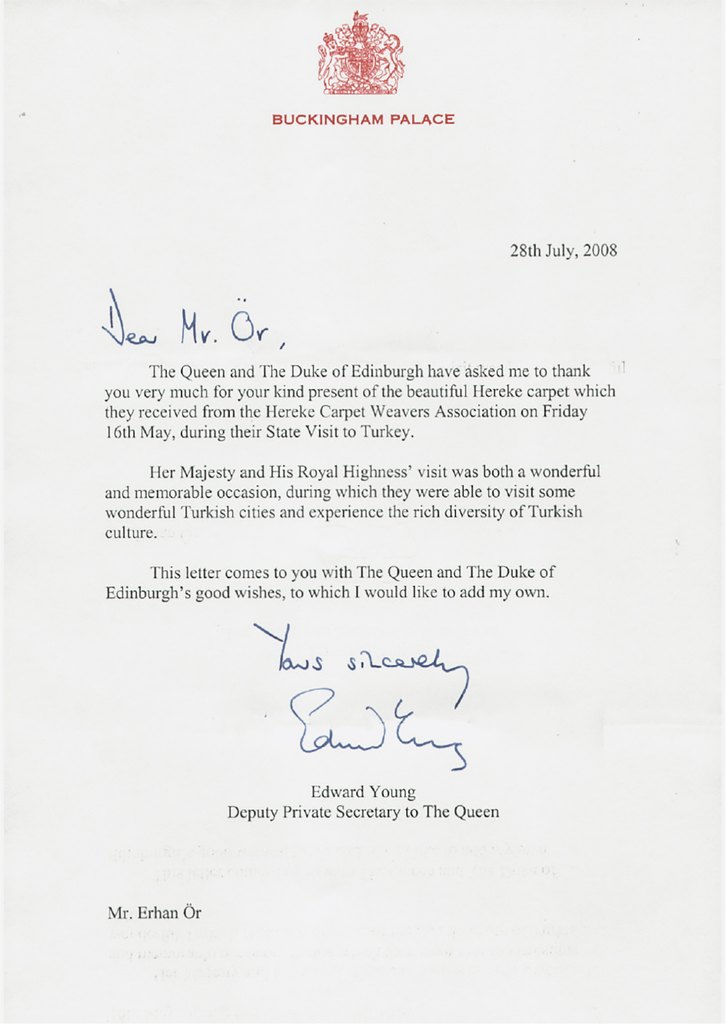
These exceptional pieces, produced exclusively for the Ottoman dynasty, quickly became a hallmark of quality. Carpets were also used as a diplomatic tool in the Ottoman Empire, with the finest examples gifted to ambassadors and dignitaries. This tradition persists today, as visiting foreign dignitaries often wish to acquire Hereke carpets as mementos of their time in our country.
Why doesn’t the Hereke carpet receive the recognition it deserves in carpet literature?
The history of the Hereke carpet can be categorised into distinct periods. The first is the Fabrika-i Hümayun era. During the late Ottoman period, Westernisation efforts brought significant change, and one notable development was the construction of Dolmabahçe Palace. To produce carpets and textiles that matched the interior decoration and aesthetic of the palace, a factory was established near Istanbul. With artisans brought from various parts of Anatolia, the factory eventually developed its unique Hereke style. Until then, the palace primarily relied on carpets from the Uşak region, but these were replaced by Hereke carpets, made with the highest-quality materials and weaving techniques.
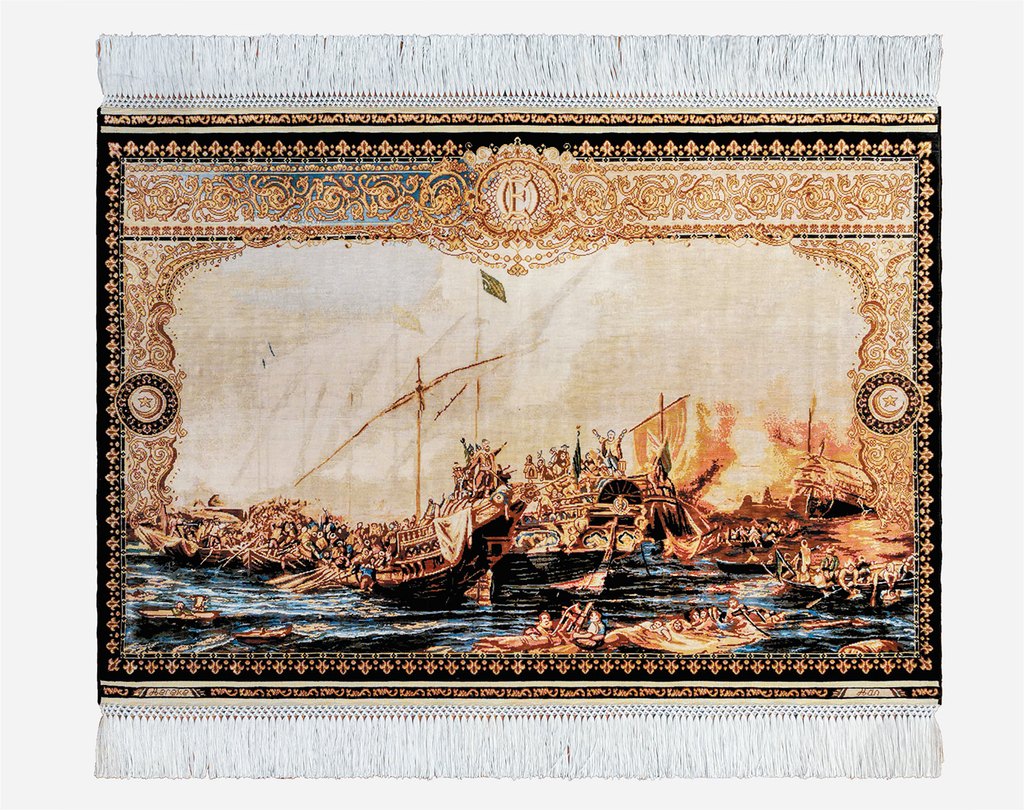
Production at the Fabrika-i Hümayun began to decline during World War I and the subsequent turmoil. After the founding of the Republic, Sümerbank was established in 1933 as part of Atatürk’s development initiatives, revitalising the Fabrika-i Hümayun. While carpets produced during the Republican era were not as artistically refined as their Ottoman predecessors, the enduring reputation of Hereke carpets spurred trade and demand.
Starting in the 1970s, the growing demand for Hereke carpets among tourists led to an influx of traders and workshops from Anatolia into the region. While this increased production was initially seen as a positive development, the “produce more, sell more” mentality ultimately compromised quality and elegance, tarnishing the brand image. The growing demand also attracted Chinese manufacturers, who began producing imitations that deviated from traditional quality standards. As these subpar products became more widespread, the rarity of genuine Hereke carpets diminished, leading to misconceptions among some individuals who equate Hereke carpets with mass-produced goods.

How did Han Halı’s journey begin?
The story of Han Halı actually begins with the Fabrika-i Hümayun. Our family has lived in Hereke for four generations. The establishment of the factory provided significant employment opportunities in the region, and my great-grandfather, Veyis Ağa, worked in the weaving department before being promoted to manager. This connection even influenced our surname; when the Surname Law was enacted, we adopted the surname “Ör” (meaning “weave”). From those days onward, our family has been deeply rooted in the art of carpet weaving.
My grandfather, Şefik Ör, also worked at Sümerbank, the successor to the Fabrika-i Hümayun. However, he was not satisfied with his role. Observing the growing demand for Hereke carpets, he established the Han Halı brand, driven by his entrepreneurial spirit. During the early years of Han Halı, there was a significant demand for Hereke carpets, particularly during the 1980s. We benefited from this demand and expanded our business. This growth encouraged other families to establish workshops in surrounding areas. On Saturdays, a market would be set up in Hereke, attracting merchants from all over the world. By the end of the day, all producers’ inventories would be sold out. Owning a carpet was a luxury and a symbol of prestige.
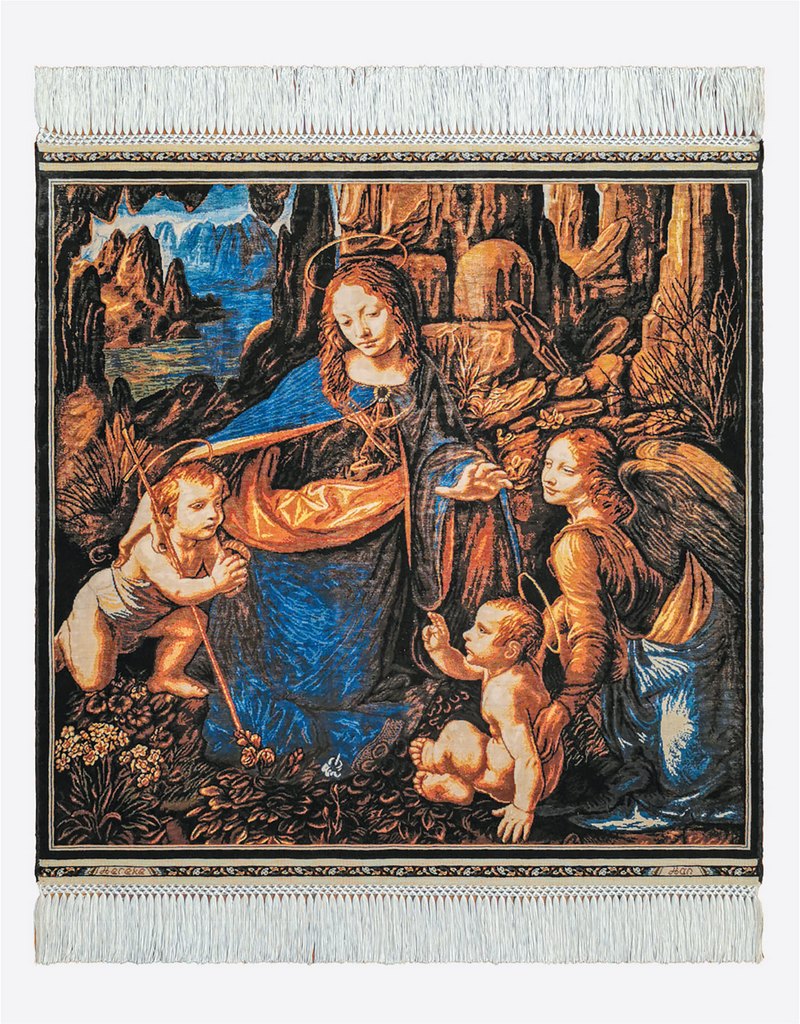
However, the entry of low-cost Hereke imitations from China into the market forced us to reconsider how to distinguish ourselves as a brand. By focusing on designs and collections that aligned with consumer preferences, we reached our current position. Today, we still draw inspiration from the designs of the Fabrika-i Hümayun era, striving to capture the elegance of those early patterns. It has taken us 20 years of experience to understand and adapt to the market’s evolving tastes.
Thanks to this approach, Han Halı has set itself apart, and our passion has allowed us to continue production. Hereke carpets remain a sought-after brand, and Han Hereke has become a unique value in its own right. We have achieved this through the dedication of our entire team, from suppliers to designers. We view the carpets we produce today as works of art. Many of our designs are bespoke, created with the mindset that each piece deserves to be displayed in a museum. We believe this approach adds value, and I am confident that the collections we create today will hold a prominent place in carpet history 150 years from now.
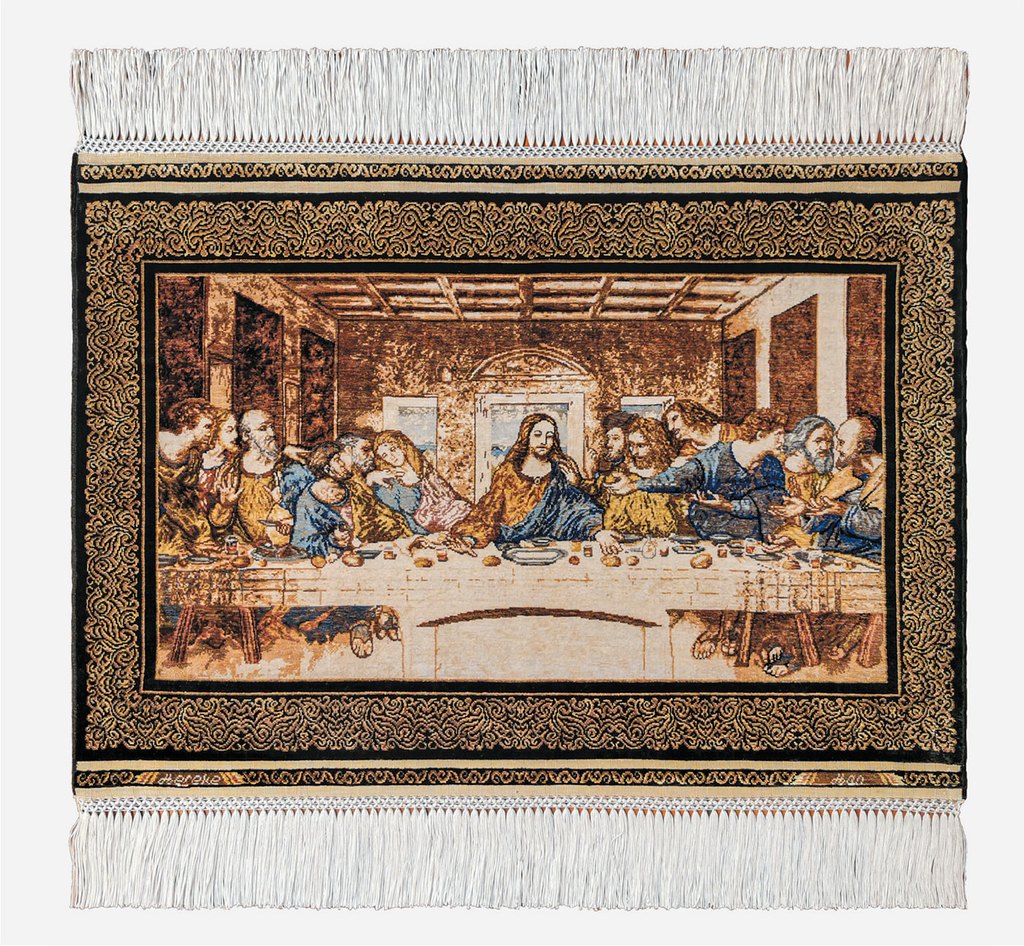
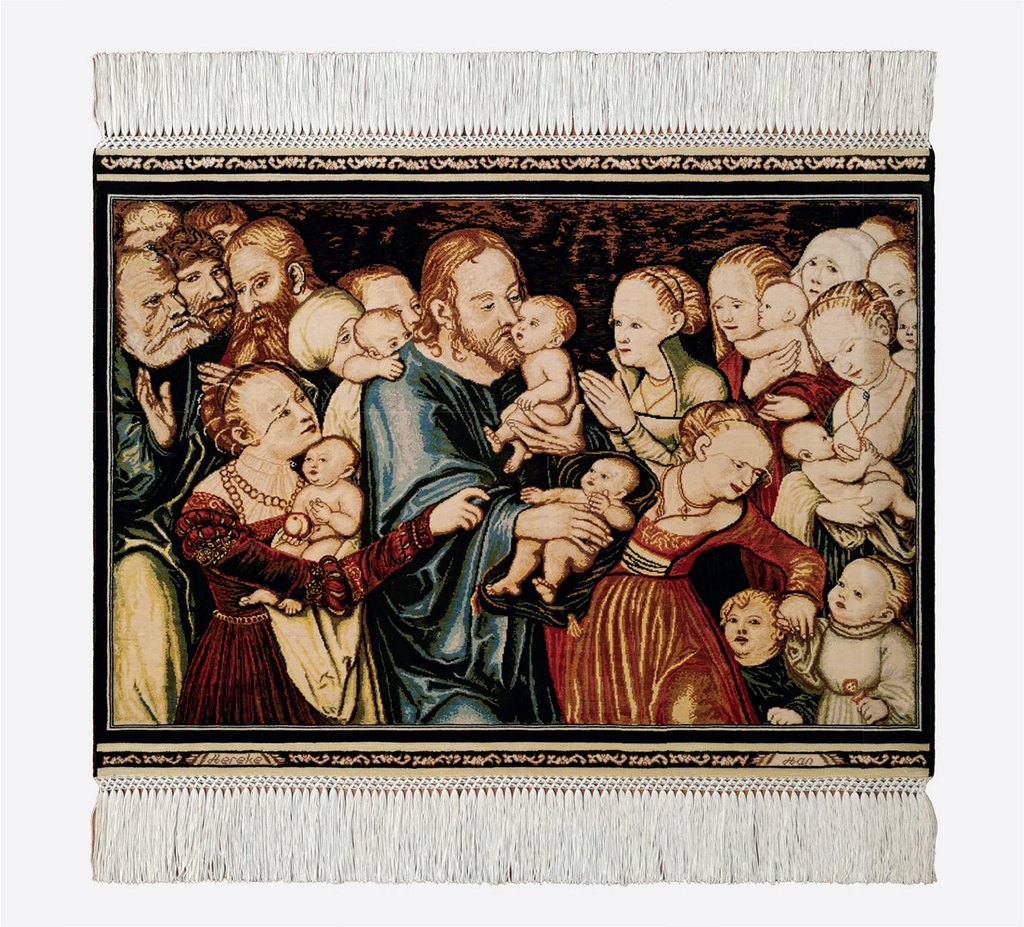
What is a museum-worthy object? Why is the concept of age so important for carpets to be exhibited in museum practice?
The collectors I’ve met generally focus on older Anatolian carpets and silk Hereke carpets. This is also the case at the Arkas Museum, where all the rare pieces produced historically in Türkiye are on display. For an item to be considered museum-worthy, it must be rare. How many pieces that are 300 years old can we find? Anything produced in large numbers loses its rarity. Carpets, by nature, are difficult to preserve and protect over time, so the few that have survived and their beautiful designs make them rare. Carpet experts might believe that the weavings in villages, created by individual artisans, are more authentic. However, the Hereke carpet is the only one that, upon its production, immediately became part of the collection inventory.
Even though a new one comes off the loom today, weaving a silk carpet that takes five years to complete, with such fine quality, carries the legacy of 150 years of historical knowledge. For an artwork to be worthy of display in a museum, it must have been widely appreciated at the time it was created. The Hereke carpets, which have been sold out at all the exhibitions they’ve attended and displayed as rare treasures in world palaces, are the most significant proof of this appreciation. In this light, a newly produced Hereke carpet, with its 150-year history, meets the criteria for being suitable for a museum.
Will today’s carpet collectors shift their focus to Gulf and Far Eastern countries in line with development?
Or will this particular group continue to be primarily focused on Europe? Art collectors also show interest in carpets, and these are interconnected subjects. In my 40 years of experience, those who buy Hereke carpets are typically collectors who are interested in many forms of art, such as paintings and sculptures. In my view, only a Hereke carpet would suit such spaces where effort and creativity have been invested. The consumers of carpets are Western societies, and the taste, interest, and affection of Saxon-origin communities have kept carpets alive. Without their interest, handwoven carpets might not have survived to this day. European countries have always been more interested, but we cannot say for sure this will remain the case. The world is changing; in developing markets with growing economies, interest in luxury consumption will certainly increase. The difficult-to-make, valuable, and collectible Hereke carpets are part of this luxury consumption. Therefore, it’s expected that interest in these carpets will grow.
Why is the perception of Iranian carpets’ quality stronger? Why do they fetch higher prices at auctions?
Since the 1950s, Iranians who visited Europe and America have introduced their carpets. Undoubtedly, the carpet art in Iran is rich in both its patterns and quality. There are various institutions responsible for carpet weaving under government auspices. The patterns and compositions are admirable. However, I believe their visibility increased due to better promotional opportunities and larger production quantities. Carpet weaving is known as an art form introduced to the world by Turkish societies with a tradition of thousands of years. Today, especially when we think of silk Hereke carpets, there is no other carpet that can compare in terms of quality. In both material and technique, it should be considered the pinnacle of carpet weaving history. The quality and spirit of Hereke carpets are unmatched by any other carpets, and only those with the trained eye can truly understand this.
Source: ALIVE: İHİB’s Magazine of Anatolian Rugs and Kilims, January 2025, pp. 14–19.