
Director of ICOC XV, Serra Oruç offers an overview of the four-day event in June 2024, from the extensive talk programme to the impressive exhibitions and the dealers’ fair
Text : Serra Oruç
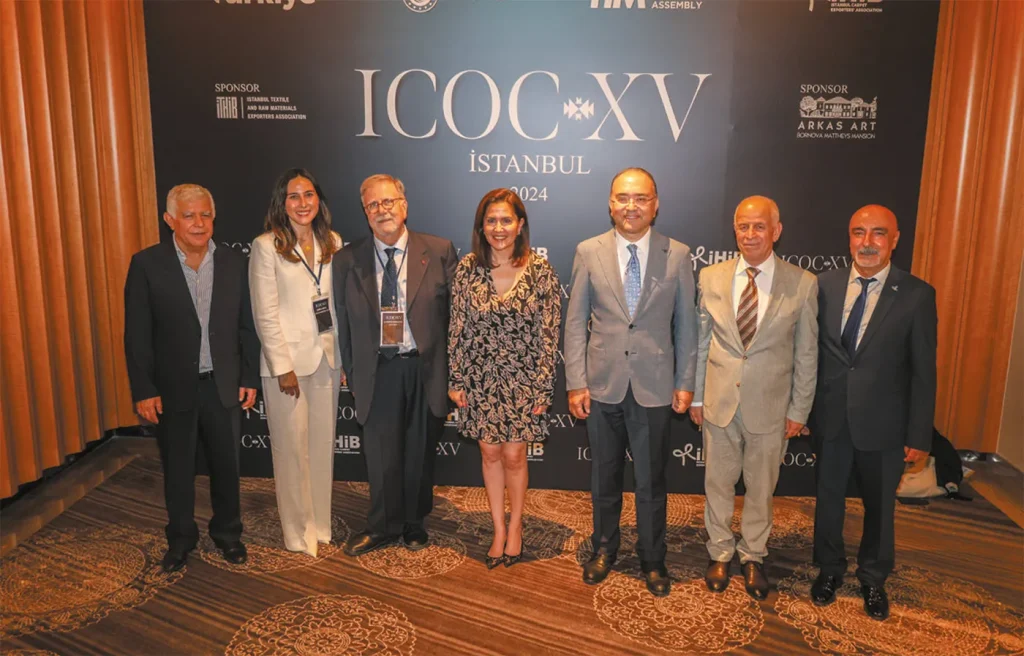
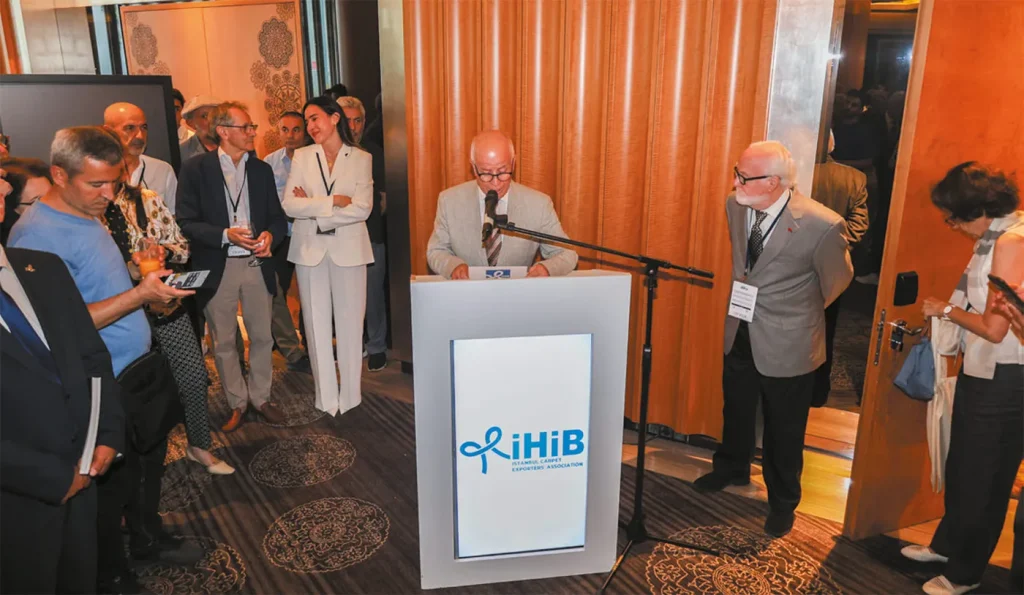
Istanbul proudly hosted the International Conference on Oriental Carpets (ICOC) for the second time after 2007. Organised by the Istanbul Carpet Exporters’ Association (İHİB), with the support of the Ministry of Trade, the Ministry of Culture and Tourism and sponsored by the Istanbul Textile and Raw Materials Exporters’ Association (İTHİB) and Arkas Sanat Bornova, the 15th International Conference on Oriental Carpets (ICOC Istanbul) took place at the Marmara Hotel Taksim between 6-9 June 2024. The conference brought together world-renowned carpet, kilim, and textile experts, art historians, academics, dealers and collectors. Many of the hidden gems in both museum and private collections were on display for the first time in history. The theme of the 15th ICOC was Oriental Carpet Studies 2024: The Past and Future of Carpet Weaving and Collecting’ focusing on two main areas: ‘Historical Carpets and Textiles’ and ‘Contemporary Art, Design and New Production’. İHİB was humbly delighted to contribute to both the academic environment and the industry. Local Committee Ahmet Diler, Muhammet Solak, Ali Rıza Tuna, Alberto Boralevi, Ziya Bozoğlu and myself had put together tremendous efforts to make this event happen.
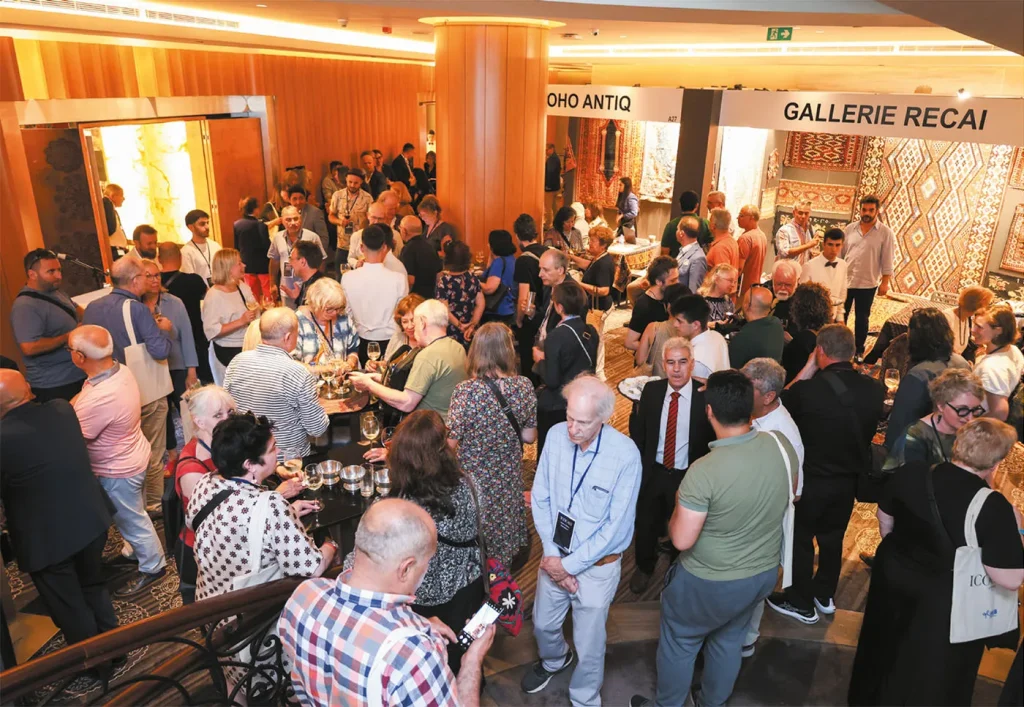
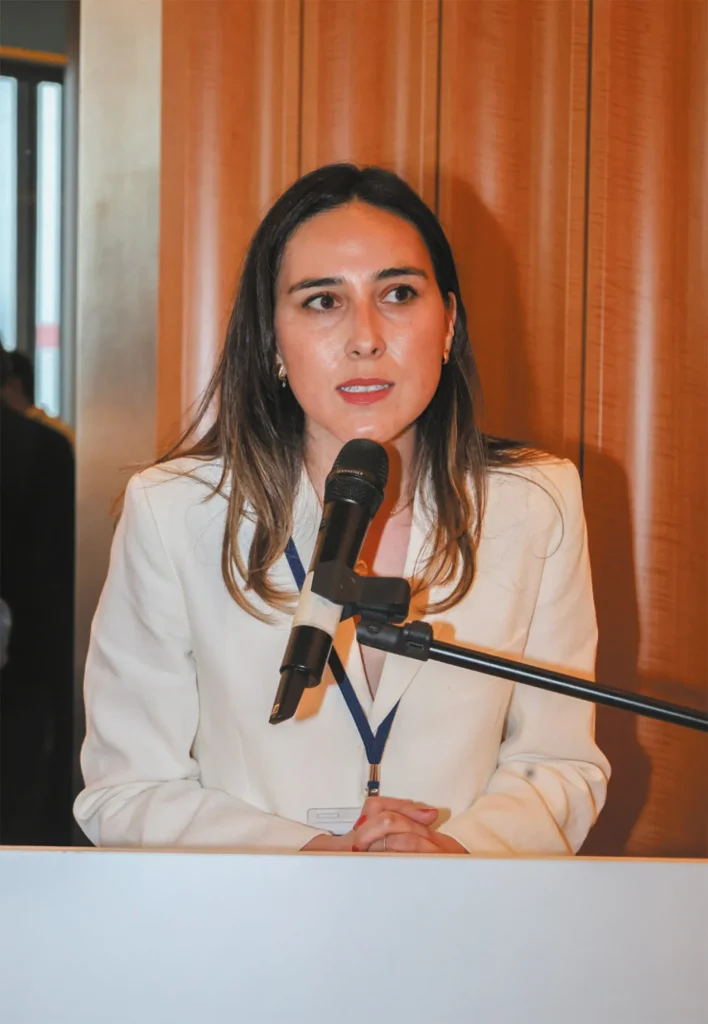
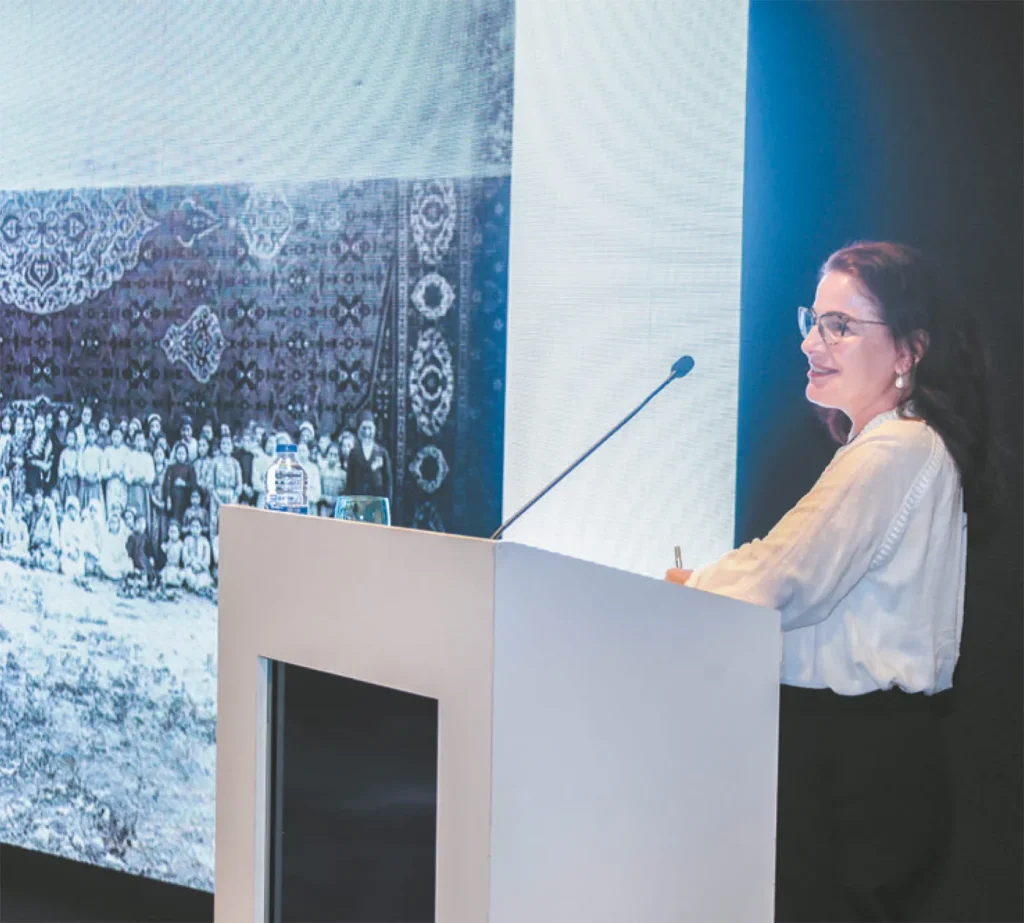
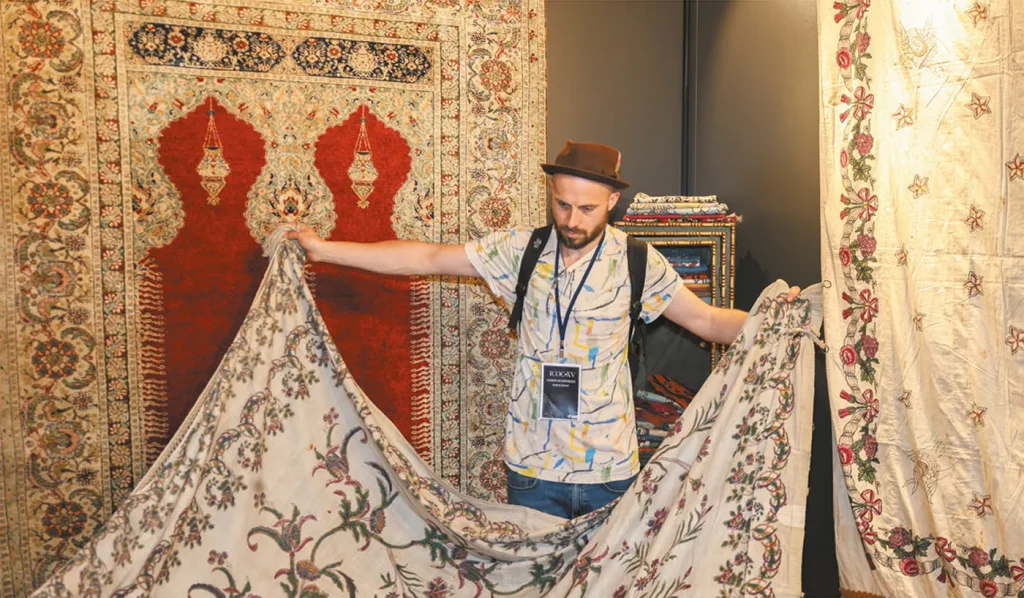
Four hundred visitors from over 20 different countries showed us one more time that the interest towards this art never fades away. Türkiye, as the homeland of weaving, always attracts rug enthusiasts, old friends as well as new names. Being the director of the event, I personally believed a visitor coming for the event always had a lot to discover not only in İstanbul but also in Anatolia. Türkiye offers a wide variety of museum collections and fields for new studies. One can still encounter female weavers who passionately continue the tradition and new archaeological findings that can reshape the history of weaving. As part of this organisation, Konya Ethnography Museum and the newly opened historical Mattheys Mansion that is home to the Arkas Carpet Collection, were both open to visitors. Another substantial effort was made by the Mayor of Sultanhanı, who put together an exhibition of Central Anatolia kilims at the renowned 13th century Caravanserai of Sultanhanı. The historical pieces in both public and private collections are proof that Türkiye continues to be the homeland of the tradition of weaving.
Throughout the conference, the Marmara Hotel Taksim hosted two exhibitions that focused on the future stories of the weaving tradition, İTHİB’s “Weaving Atlas” and “Women Behind the Weave” displays. The “Weaving Atlas” project visited every city in Türkiye attributed to weaving and worked on contemporary designs with century old techniques. “Women Behind the Weave” returning to its homeland after its launching in London was critical to meet with new viewers. Organised by London-based rug brand Christopher Farr, the 14 kilims that are woven by women in an atelier in Uşak first launched in London, in September 2023. The proceeds from the exhibited kilims will be used to establish a weaving workshop in Hatay, one of the areas most affected by the earthquakes on 6 February 2023. Christopher Farr founder Matthew Bourne also joined the event to share the story of the project with participants.
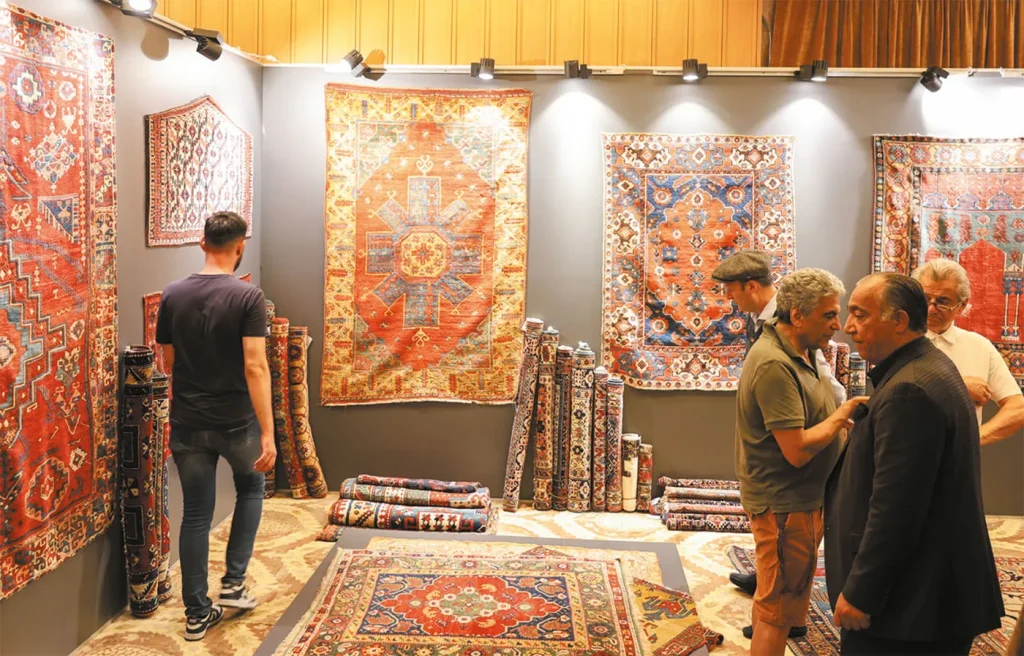
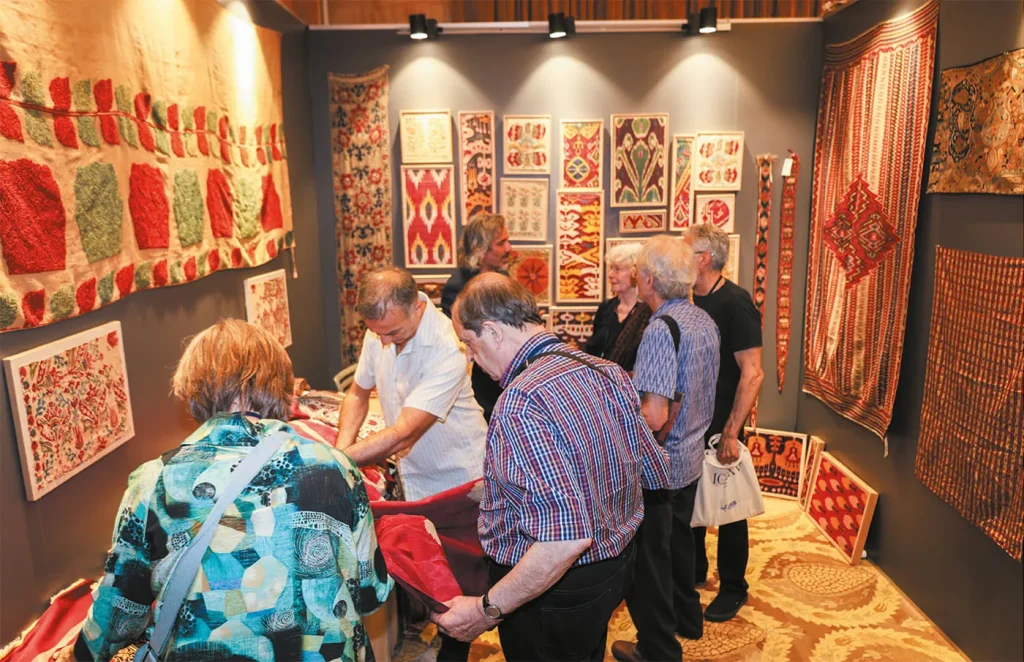
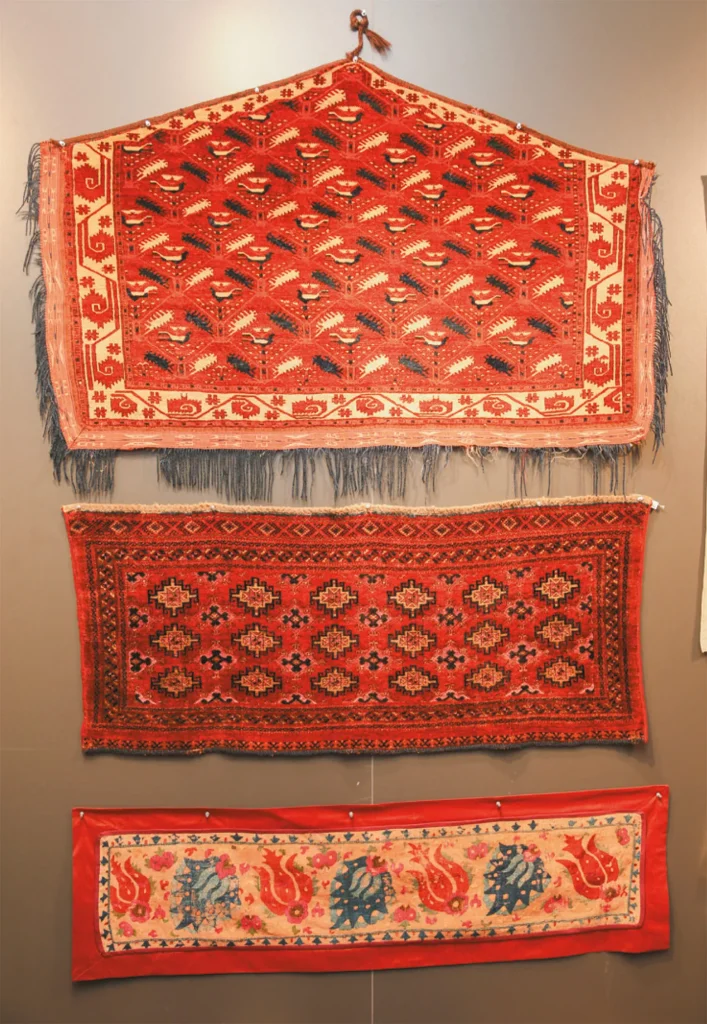
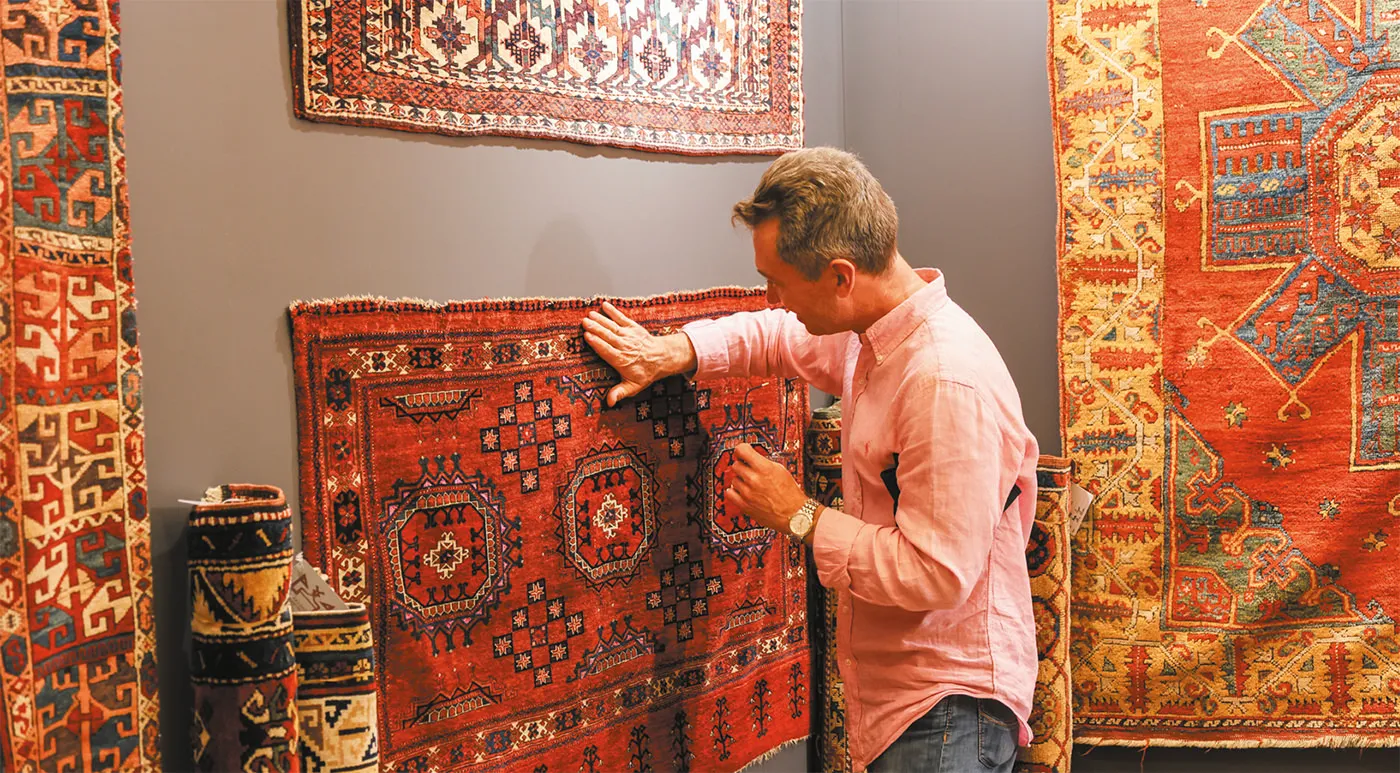
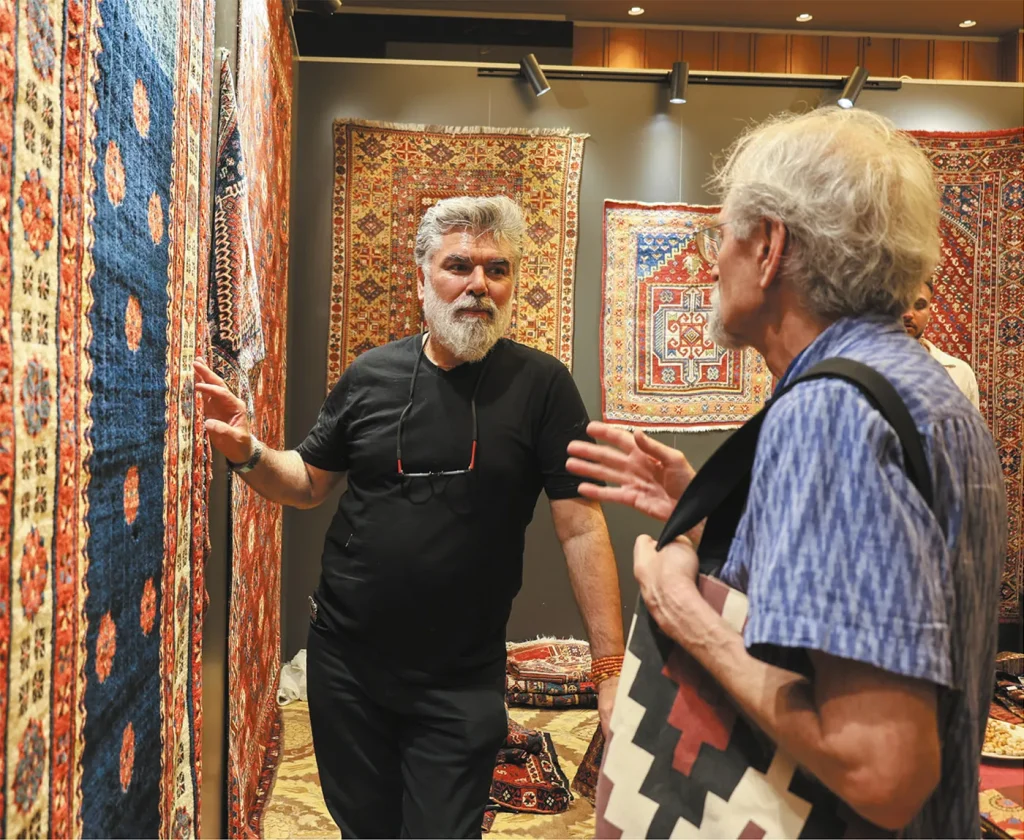
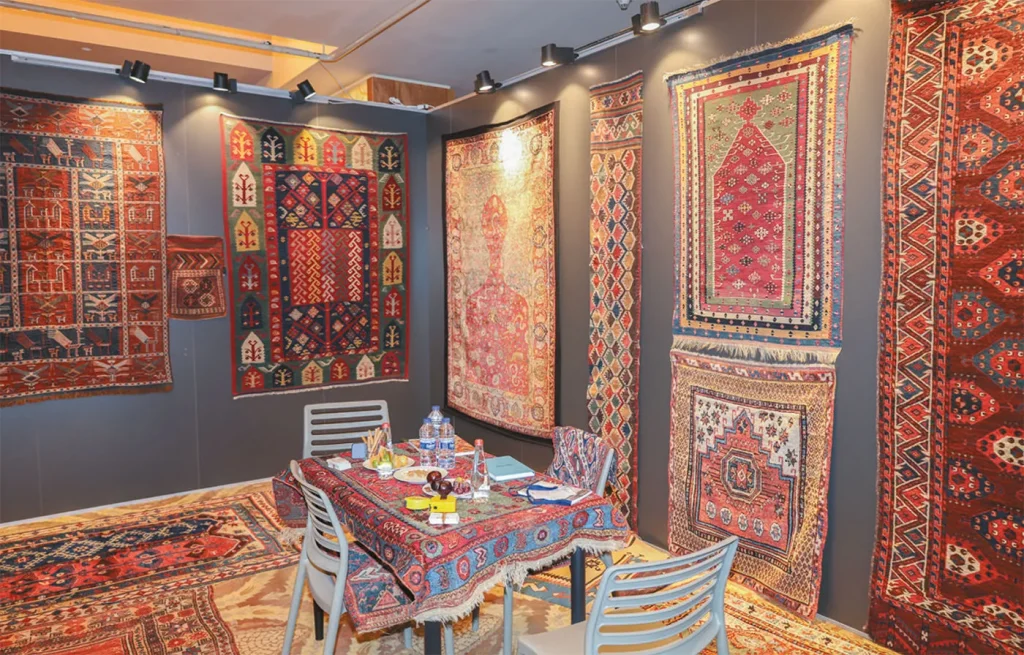
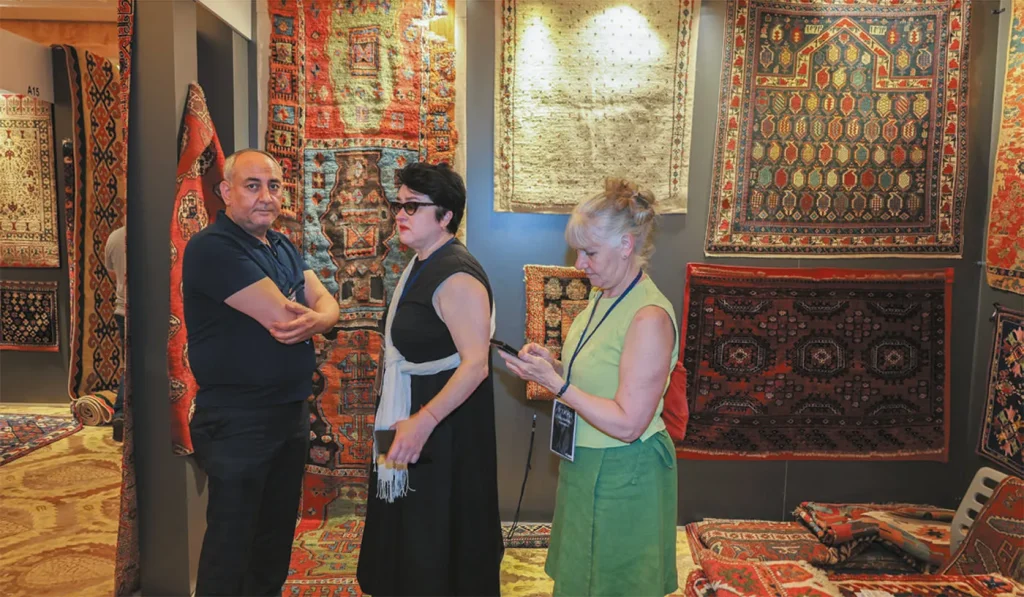
In addition to this events, the Marmara Hotel Taksim was also home to the antique rug dealers all around the world. A smaller version of the Grand Bazaar was housed in the ballroom of the hotel. The dealers demonstrated their great passion for finding unique pieces that the visiting collectors and experts were keen to see in person.
Carpet, kilim, and textile experts and collectors gathered
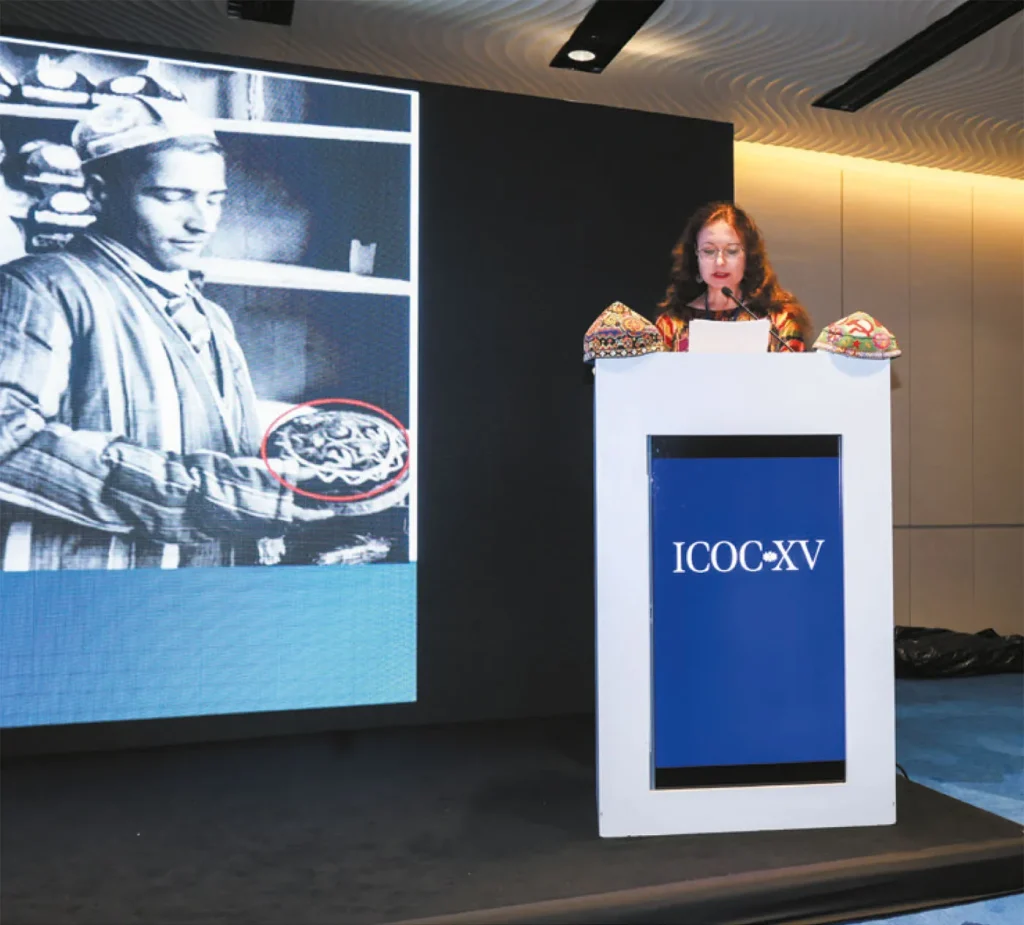
The opening speech of the ICOC Istanbul Conference delivered by Prof. Walter Denny, an expert on Islamic art and Middle East history. Afterwards he shared his observations on recent history, the present and also the future of carpet studies. During the sessions on 7-8 June, leading academics and experts in the field presented papers on the history, present, and future of textile art. The papers, categorised by geographical origin, covered topics such as structural analysis, technique, design, production, origin, dating, documented evidence, scientific tests, collections/ collectors, fake/replica productions, conservation, and restoration.
Previous editions of the ICOC conference predominantly focused on a specific timeline, which usually left out a focus on ancient history and looking to the future. We should be searching for different ways to sustain this culture and attract new audiences. With this perspective in mind, the sessions “Archeology of Weavings” that were moderated by Udo Hirsch garnered great attention. Collectors are interested in archaeological findings and are eager to learn more about a historical context.
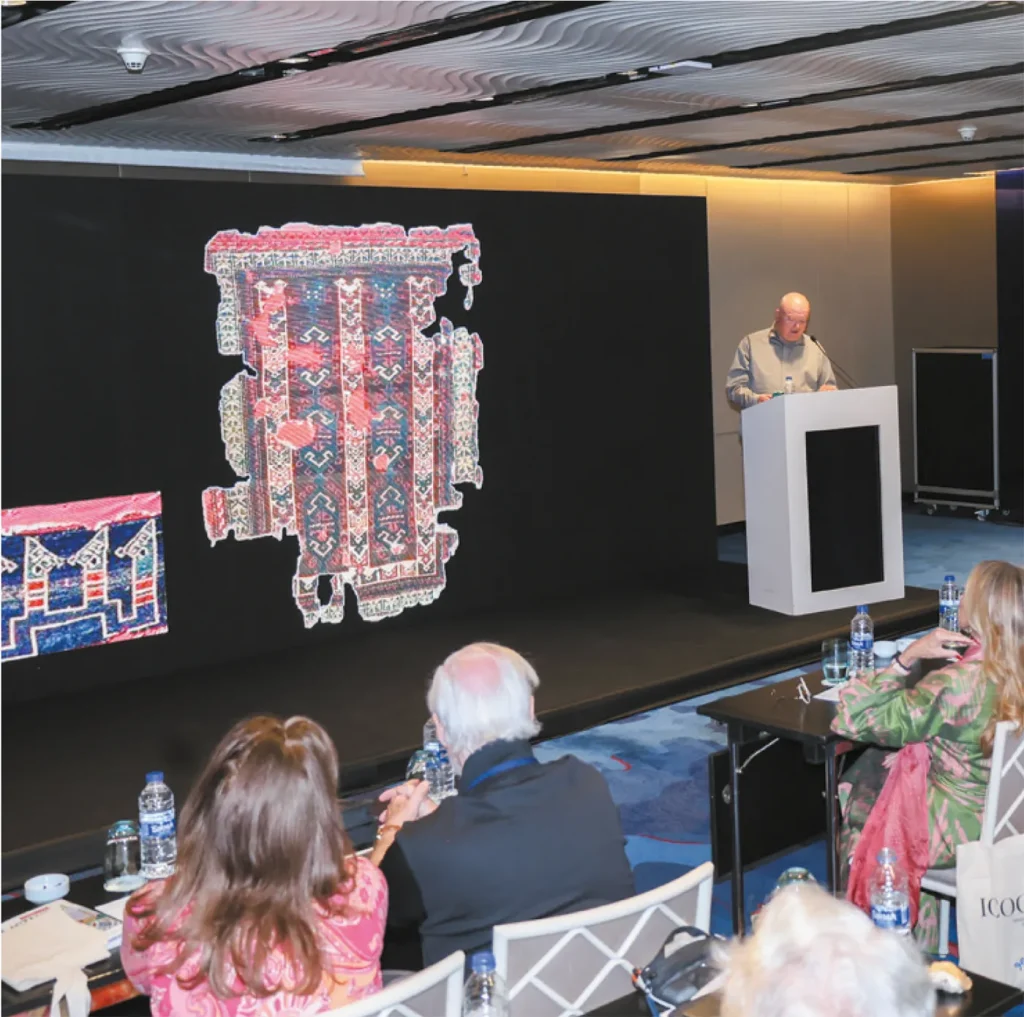
The sessions moderated by Reyhan Polat also demonstrated that there is a new generation looking for ways to sustain this culture by the means of technology. One has to ask, is it really enough? For centuries, carpets have been a symbol of status. A designer today is bombarded with new trends and technologies; generating an AI designed carpet won’t be enough to attract a younger generation. However, it is important that new design addresses the centuriesold idea that owning a carpet is a symbol of being a person of high social status.
Ancient carpets in the palace, contemporary textiles in the gallery
The 15th edition programme of the International Conference on Oriental Carpets included major exhibitions at the Turkish and Islamic Arts Museum, Dolmabahçe Palace Art Gallery, and Tophane-i Amire, as well as a pop-up exhibition by artist Belkıs Balpınar at the Anna Laudel Gallery, a selection from the Josephine Powell collection at the VKV Büyükdere Evi, and works from the collections of Anas Al Akhoann and Sandre Blake at the Turkish and Islamic Arts Museum.
The exhibition “Woven Treasures: Carpets and Fabrics from the Ottoman Palace” at Dolmabahçe Palace Art Gallery presented carpets and textiles from the palace collections for the first time within this historical context. Additionally, original hand-drawn and coloured cartoons were displayed to explore the beauty of the palace collections.
The exhibition “Colors of Anatolia: Kilims from Private Collections” at Tophane-i Amire showcased kilims from mainly Turkish collectors. Playing a significant role in reflecting the value given to kilims by private collectors in Türkiye and encouraging new collectors, this exhibition featured works borrowed from many collectors, including Ali Rıza Tuna, Işıl Akbaygil, Peter Scholten, Thomas Herr, Tim Hayes, the Turkish Handicraft Foundation and Ziya Bozoğlu.
Oral history of Anatolia: carpets, kilims, textiles
The exhibition “Turkish Carpets: The Art Knotted With Love” featured a selection of more than 30 works from the Turkish and Islamic Arts Museum collection dating from the 13th to the 17th century. The show provided a new dialogue space for carpet experts and enthusiasts. Most of the pieces to be shown the first time and many scholars spend hours exploring new details.
The exhibition “Syrian and Lebanese Textiles of the Ottoman Era” at the Turkish and Islamic Arts Museum Hypodrome Hall featured items borrowed from the Anas Al Akhoann and Sandre Blake collection, including embroidered prayer rugs, examples of period clothing, pillowcases, and tablecloths. The exhibition showcases the skills, arts, and expertise of weavers in Syria, Beirut, Aleppo, Damascus, and surrounding areas from 1850 to 1930.
Josephine Powell revisited
The exhibition “Josephine Powell Collection: Anatolian Kilims and Weaving Tools” at the Vehbi Koç Foundation Büyükdere Evi featured valuable textile images and records spanning a cultural geography from Central Asia to Türkiye. Consisting of 34 kilims and 184 weaving tools, the collection was displayed on an elevator platform suspended from the ceiling. Originally on show several years ago, this exhibition was reopened for the audience during the 15th International Conference on Oriental Carpets, much to the delight of all the visitors.
Pop-up exhibition by Belkıs Balpınar
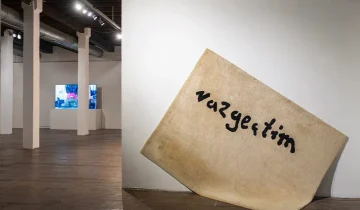
The exhibition at the Anna Laudel Gallery in Gümüşsuyu bears the signature of Belkıs Balpınar. As a pioneer in the field of textile arts, internationally acclaimed artist Belkıs Balpınar distinguishes herself through her innovative and unconventional weaving techniques. The exhibition “Shifting Perspectives” served as a bright showcase of her artistic mastery, in which she artfully weaves science and cosmology together – drawing inspiration from Einstein’s theory of relativity. Coinciding with the opening of this show with the “Colors of Anatolia” at Tophane-i Amire, this exhibition reminded the ICOC visitors that the weaving tradition continues in different art form.
Robert Pinner founded ICOC almost 50 years ago to increase awareness of textiles in collections. I believe ICOC XV paid tribute to Robert Pinner by offering a unique experience to the world’s rug enthusiasts. ICOC XV provided the opportunity to be fully immersion in Anatolia’s weaving culture. In order to start fresh dialogues and bridge the past and future of oriental carpets, we need to focus on discussions about the future of tradition at events such as ICOC.
Source: ALIVE: İHİB’s Magazine of Anatolian Rugs and Kilims, January 2025, pp. 73-77.