
A recent exhibition in Istanbul explored what is unique to the separate cultures of India and Türkiye, but also what is shared. Its chief curator, Serra Oruç, explains the significance of the event
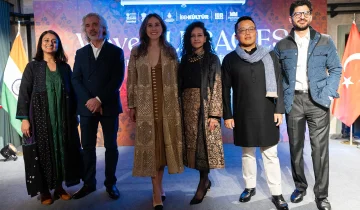
The exhibition, ‘Woven Legacies: Celebrating Indian Cultural Heritage’, was a first-time event in Istanbul. Held between 27 and 29 November 2025 at Metrohan, it was hosted in collaboration with the Consulate General of India. Collectors, textile enthusiasts, experts, designers and artists gathered to engage in conversations concerning India’s textile traditions, including their evolving role in contemporary design and culture.
India and Türkiye have heritages that are both rich and diverse, and this event in Istanbul promised visitors the opportunity to participate in a dynamic, crosscultural exchange. At its heart was a shared commitment to craft sustainability—not simply preserving heritage but reimagining it within today’s creative and ethical frameworks.
Through curated displays and panel discussions, the event highlighted how traditional Indian weaving practices continue to inspire innovation. They serve as a living medium through which cultural narratives are told, identities are shaped and international collaborations are formed.
In a world so intertwined, so uniform as a result of constant blending, it is our roots—our cultural inheritance—that keep us from slipping into mediocrity. This, for me, is also the essence of what it means to speak to the world through the language of culture and art. These are the themes that guide me when designing each exhibition. The main focus is always the sustainability of craft, yet every event naturally develops its own texture: a texture shaped by the people I meet along the way.
For me, the greatest joy is encountering people who love what they do and hold their values with passion. As a woman, I also want to honour and revive the labour of women behind craftsmanship, to be a voice for them as well. All around the world, women reflect their voices and colours through craft. They are the genuine cultural commuters.
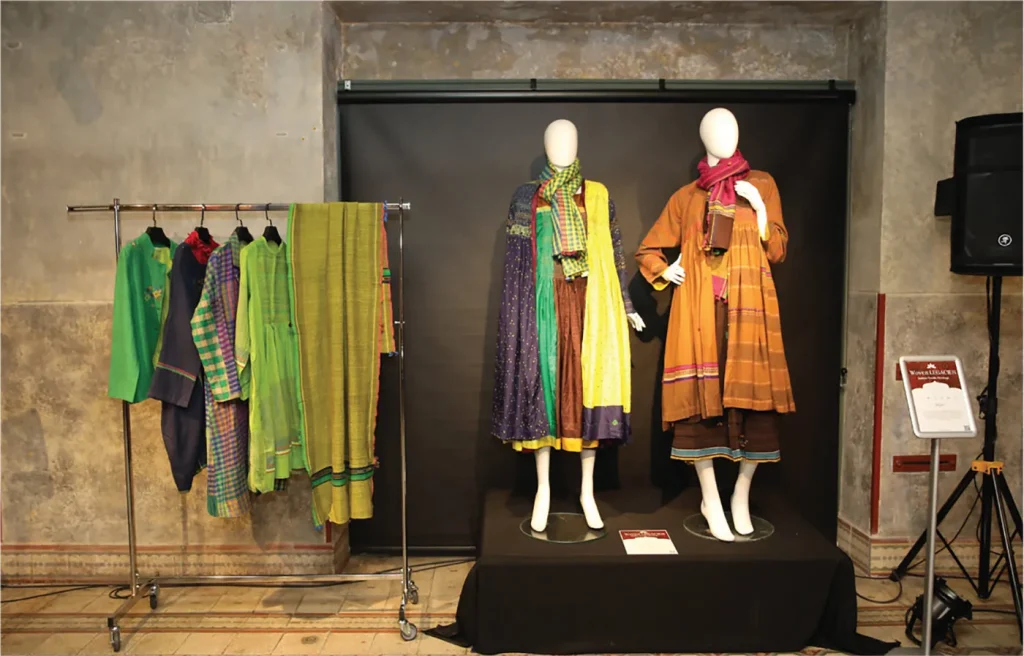
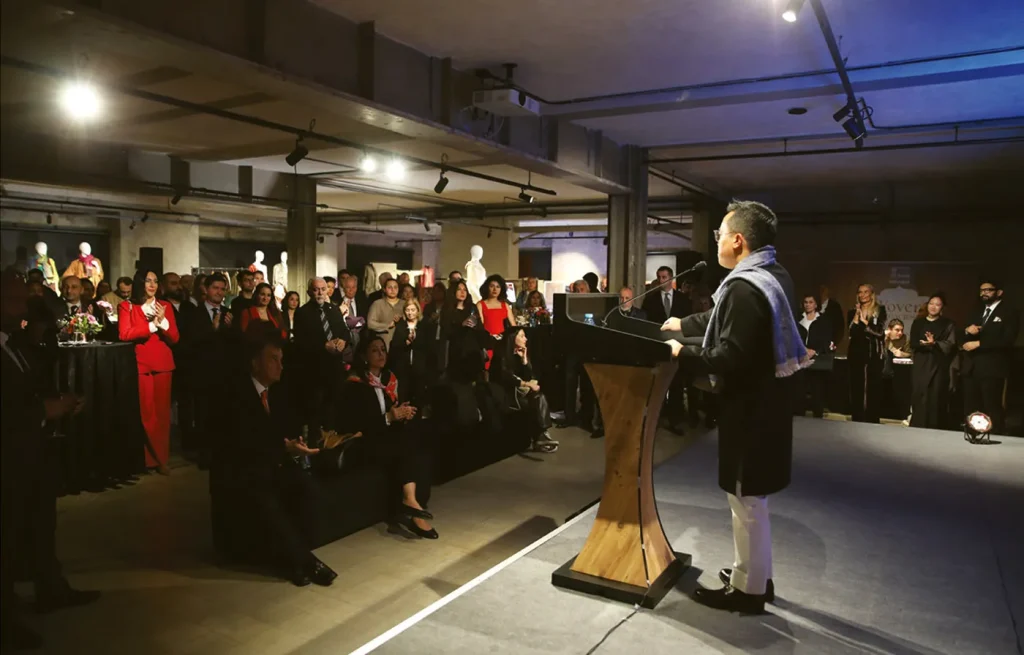
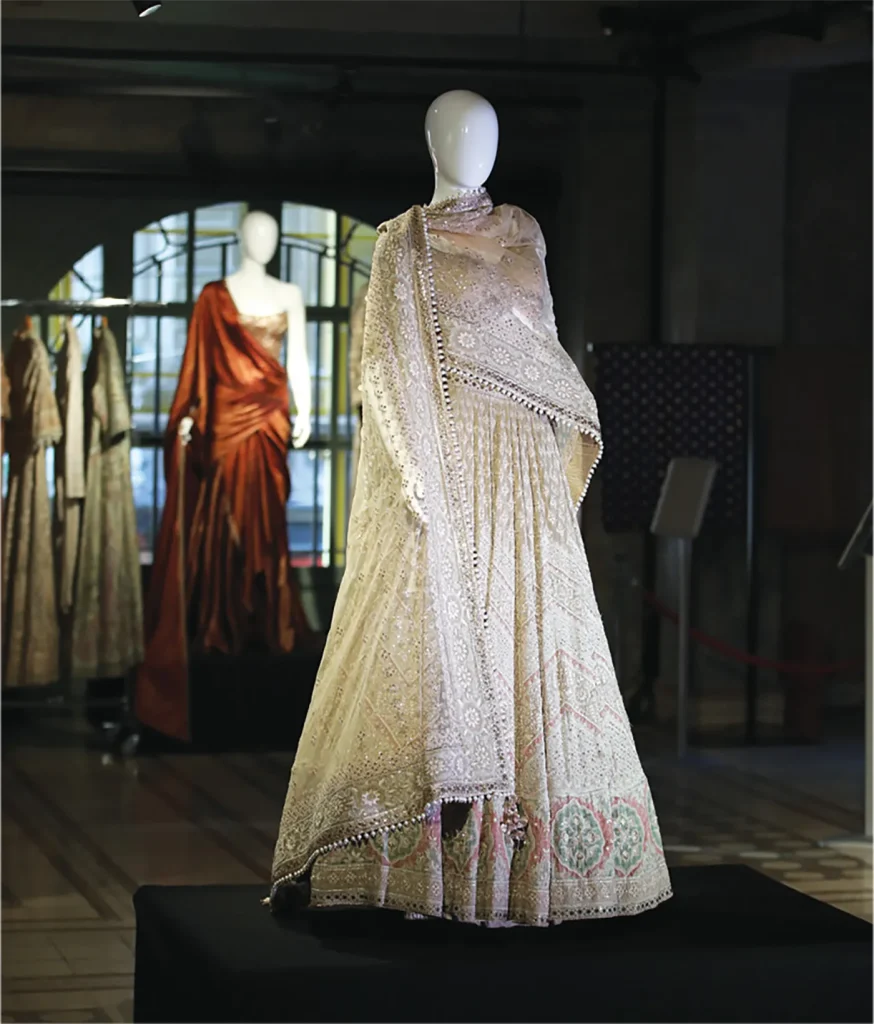
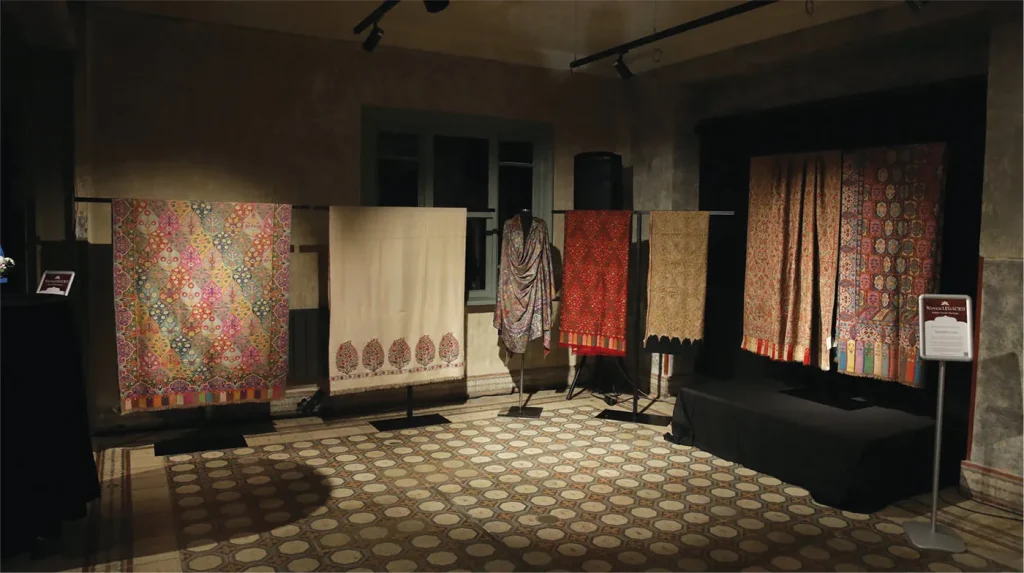
As the chief curator, I wanted to show that heritage is not an ancient memory but a living presence. And when modern vision is born through the hands of craft, the result is nothing short of mesmerising. Each piece becomes a thread connecting person to person and generation to generation.
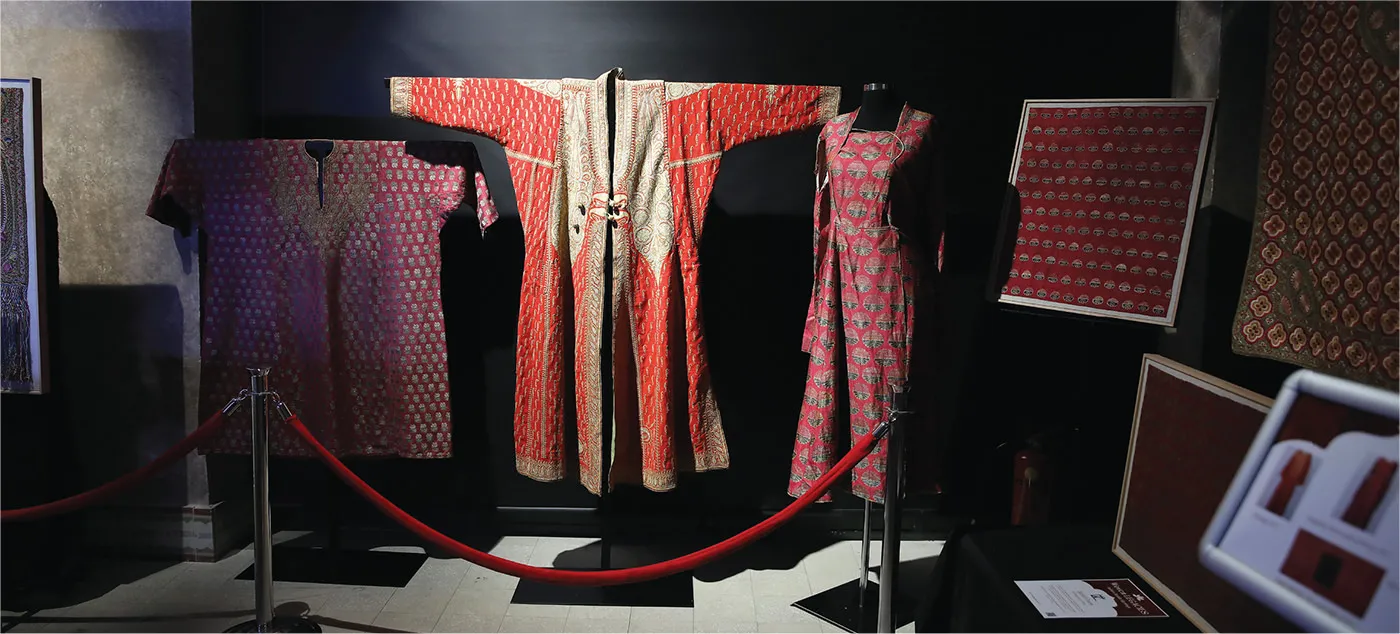
Some rare pieces were exhibited. Esra Birgen (later known as Esra Jah) was married to the eighth Nizam of Hyderabad, Mukarram Jah. Through her projects, she has helped bridge the heritages of Türkiye and Hyderabad, drawing on her dual cultural background. She led the tremendous project to renovate Chowmahalla Palace, the most extensive restoration taken on since 1947, which received the UNESCO Merit Award. She also helped renovate Falaknuma Palace, later leased to Taj Group and turned into a luxury hotel. She brought artworks from the Chowmahalla Palace collection which were presented to an audience for the very first time; and her presence with us during the event was emblematic of her position as the symbol of keeping heritage alive.
Şeref Özen showcased an invaluable collection of kaftans and shawls—he treasures the memories that are part of each textile he acquires. Kashweave brought two antique shawls from the Kashmir region along with rugs and modern shawls to illustrate the continuity of tradition. Kashmirloom, Tarun Tahiliani and Injiri, who carry that tradition into the future, showed the beauty of their collection with their own design languages. The techniques are time-honoured but the garments are modern: heritage can easily become your everyday style.
A story can become a future inspiration. Hopefully more designers and collectors will be part of these stories. The excitement among the audience was already a motivation for forthcoming events of this kind.
Source: ALIVE: İHİB’s Magazine of Anatolian Rugs and Kilims, January 2026, pp. 58-59.