
American artist Mike Berg has a strong affinity to Turkish culture so it is no wonder that much of his work focuses on kilim design and textiles crafted in Türkiye. Here he discusses his extensive art practice
Interview: Serra Oruç
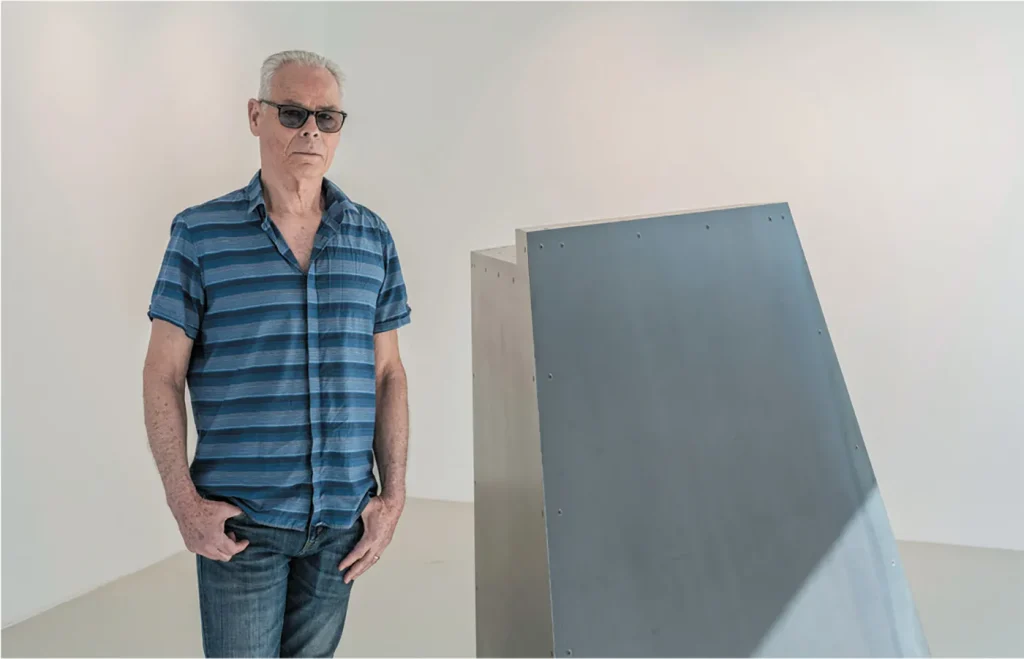
You travel back and forth to Türkiye for years now. What in Turkish culture influences you the most?
I’ve been coming back and forth to Istanbul for nearly 25 years. We bought and restored a historical wooden house that’s just behind the Basilica Cistern.
Shortly after buying our house, I was in the shop of a very successful dealer in antique Ottoman objet d’art, ceramics, rugs, metal works, high-quality items located on Nuruosmaniye Caddesi. A scruffy man with an assortment of metal objects, an embroidered textile and a small rug, timidly walked through the door. The shop owner welcomed him, looking through what he had and ultimately said, sadly, that he couldn’t use anything he had.
Having lived in New York for decades, that kind of man at that kind of shop would have been turned away at the door, certainly would never have met with the owner.
As a foreigner, I have always been met with respect and curiosity. The fact that I had interest in art, architecture and the language made being accepted in Türkiye easy.
Can you tell us about your art practices?
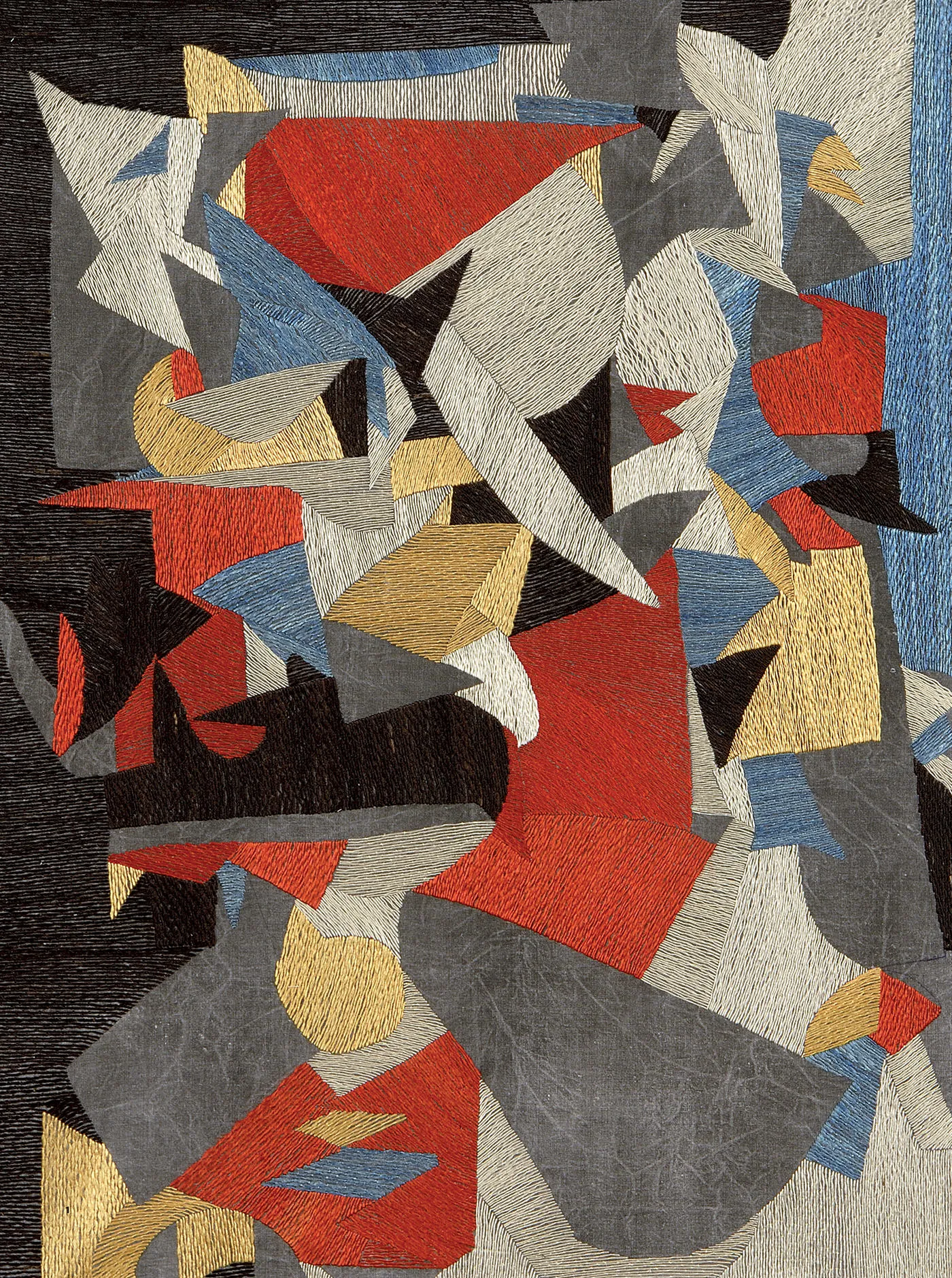
As for my process, I have, for a very long time, been interested in trying to expand the range and means of producing colour and texture. I have worked with glass, metal, wood and different types of paint and paint applications.
My motivation is a bit like an obsession. I love to work. I also need to surprise myself not to fall into making repetitive work. What I like about kilims, suzanis and rugs is the irregularities, the veering away from anticipated pattern. I’ve often wondered what the weaver or embroiderer was thinking. It’s especially seen in works made in villages. Atelier rugs made in cities – super detailed works – I have no interest in.
My connection to Turkish art and culture could be mostly visceral. I’m not an academic, I prefer not to know the symbolism of certain shapes and images. On one hand, I feel that it would be pretentious using such images in my own work and to know the symbolic meanings would make me self-conscious. For that reason I can admire the graphic beauty of shapes but I avoid using them.
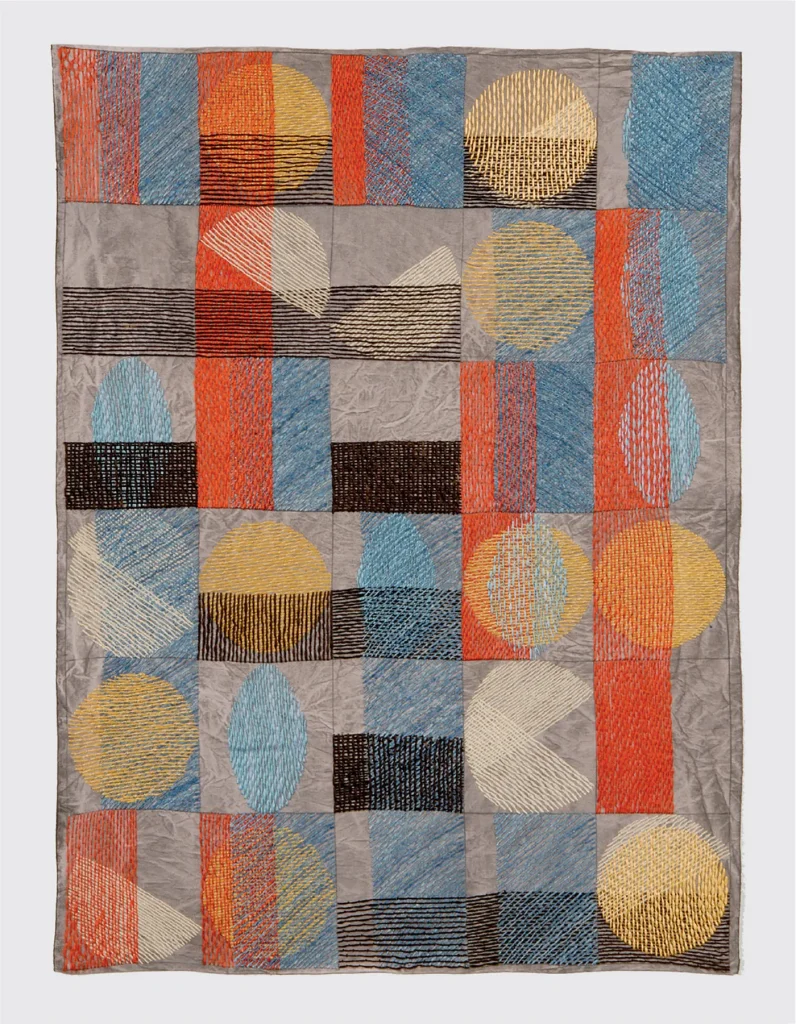
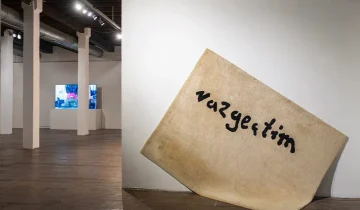
Thanks to Galeri Nev and Istanbul’74 for images
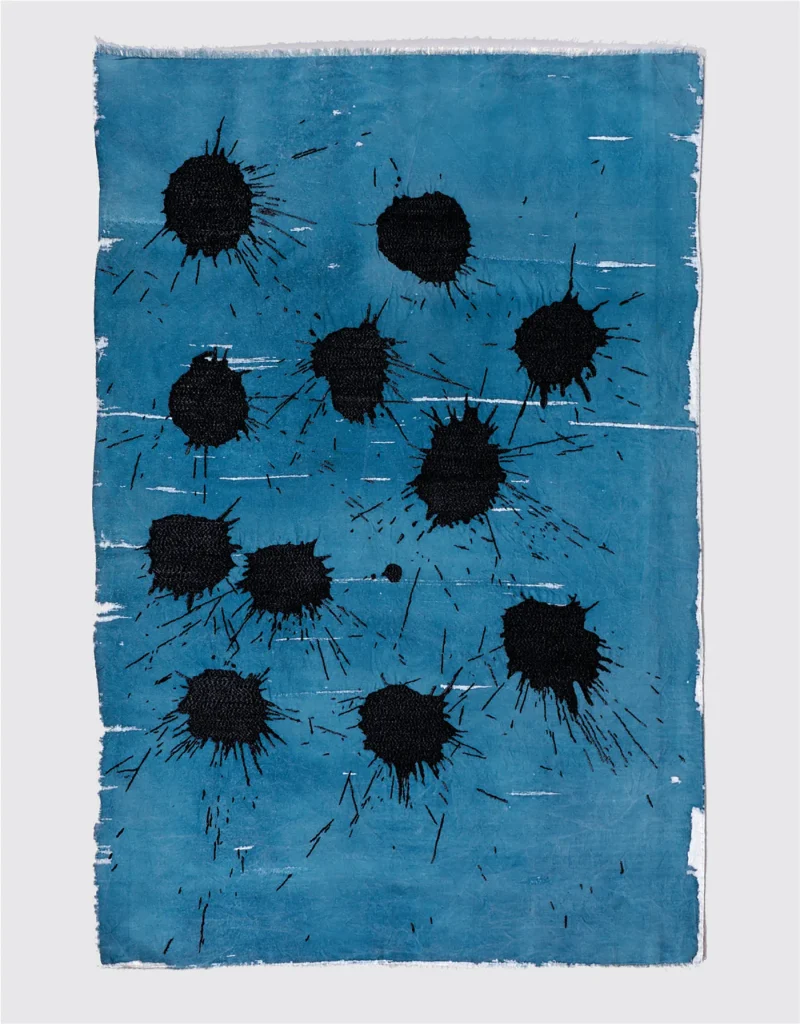
How did you get involved in rugs? What fascinated you most?
Before I came to Istanbul, I had even begun stitching with thread as a different type of making colour and surface. I was making embroidery work with two well known historical kilim and rug restorers. I found it interesting and pretty impossible, I wasn’t very good at it and the procedure was very slow.
On nearly my first day arriving in Istanbul I met Abdullah, a suzani dealer in the Grand Bazaar. The suzanis were dazzling to me. Shortly after meeting him, I showed Abdullah a painting that I was working on and asked for his advice. He told me that he could get an embroidery done for me in Uzbekistan.
Some time later I met the antique textile dealer, Şeref. He had seen some of my embroidered work at Abdullah’s that impressed him. He thought that my work would look great if it were embroidered as it was being done in Armenia. The work done there was very unusual and very beautiful.
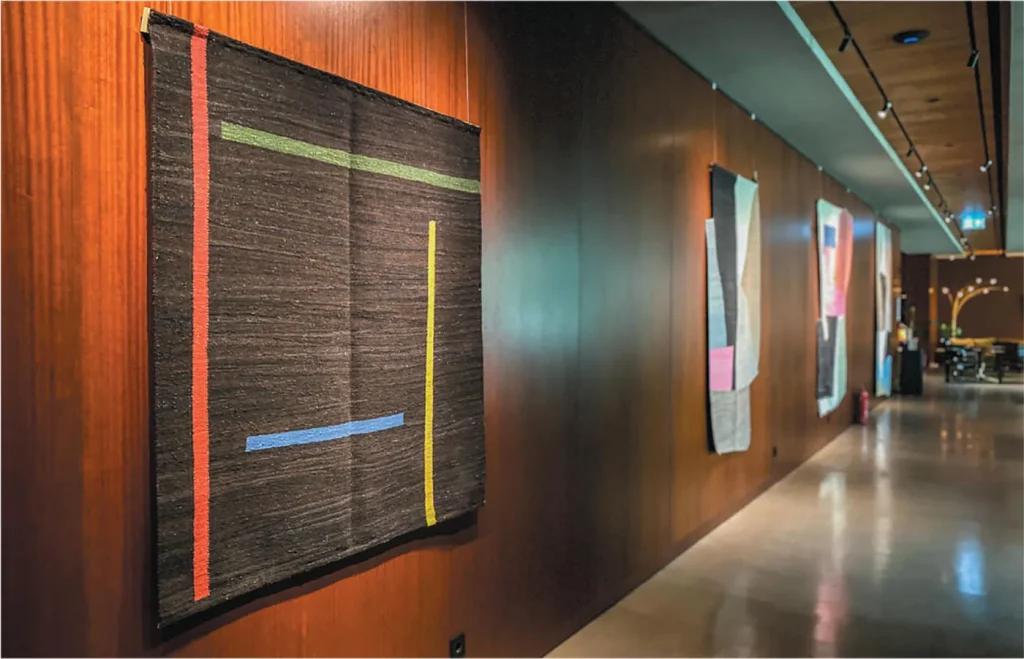
Some years later Şeref had another idea. He thought that my abstract paintings would make very interesting kilims. He introduced me to Burak, the owner of Knotisse. I’ve been working with Burak for around 12 years, having my kilims woven in Uşak since than.
Can you tell us the story of your collaboration with Knotisse rugs? You also exhibited those pieces at Knotisse showroom in Piyer Loti. What was the reaction of the audience to see an artwork at a shop in Sultanahmet?
My show, “New Kilims from Uşak” at Knotisse on Piyer Loti, was the first time that they had been presented in Istanbul. I had shown them in New York and in a very large solo show at the Museum of Contemporary Art San Diego 9 years ago. My show at Knotisse was wonderful, I was very happy, the response was great but the sales were low.
How do you perceive the image of rugs in contemporary art world?
I think that the reason that rugs and kilims are not recognised art is that the creators are anonymous, there isn’t a name to go with the piece. Also, they are generally shown on the floor. Art that’s shown on the wall has a bigger presence.
For over 20 years Galeri Nev, Istanbul has been representing me. I’ve mostly shown my metal sculptures at Nev but the gallery has shown quite a few of my embroidered paintings. But they have never shown my kilim artworks.
Although it was never said explicitly, I believe that in the contemporary art world in Istanbul, kilims are not taken seriously, they are the craft of the village people.
I think that because of abstraction in its various forms and materials are recognised as an important type of art making in Western culture, my kilims in America are seen as another form of that type of art and not seen as craft.
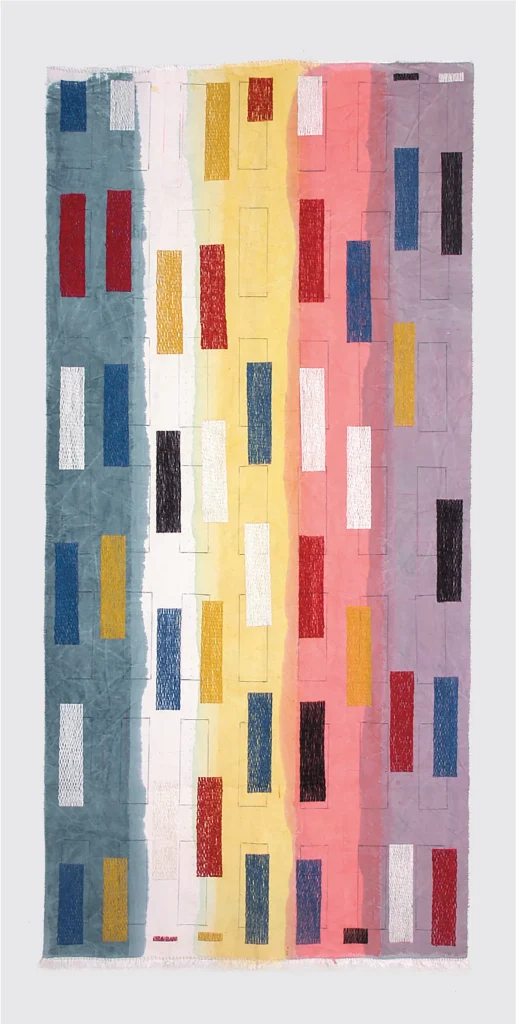
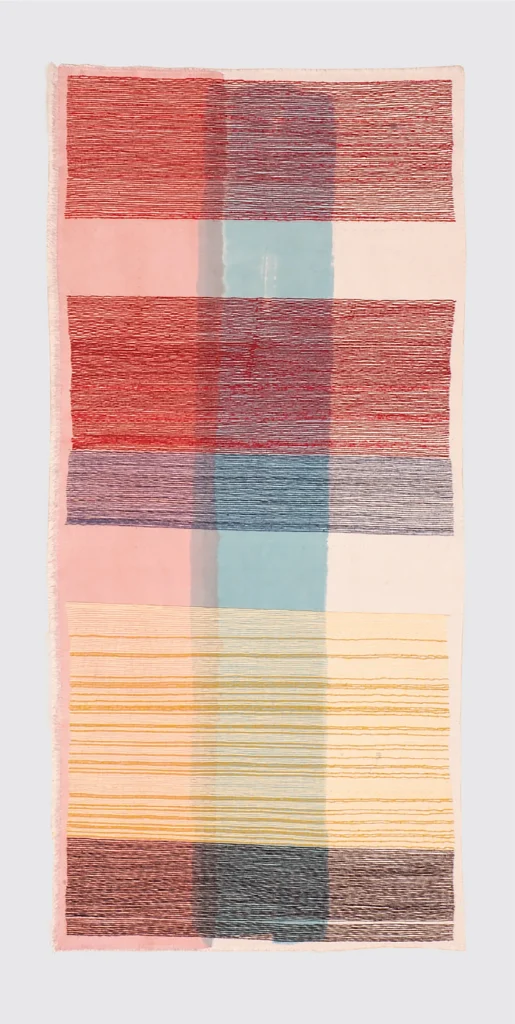
textile, Mike Berg
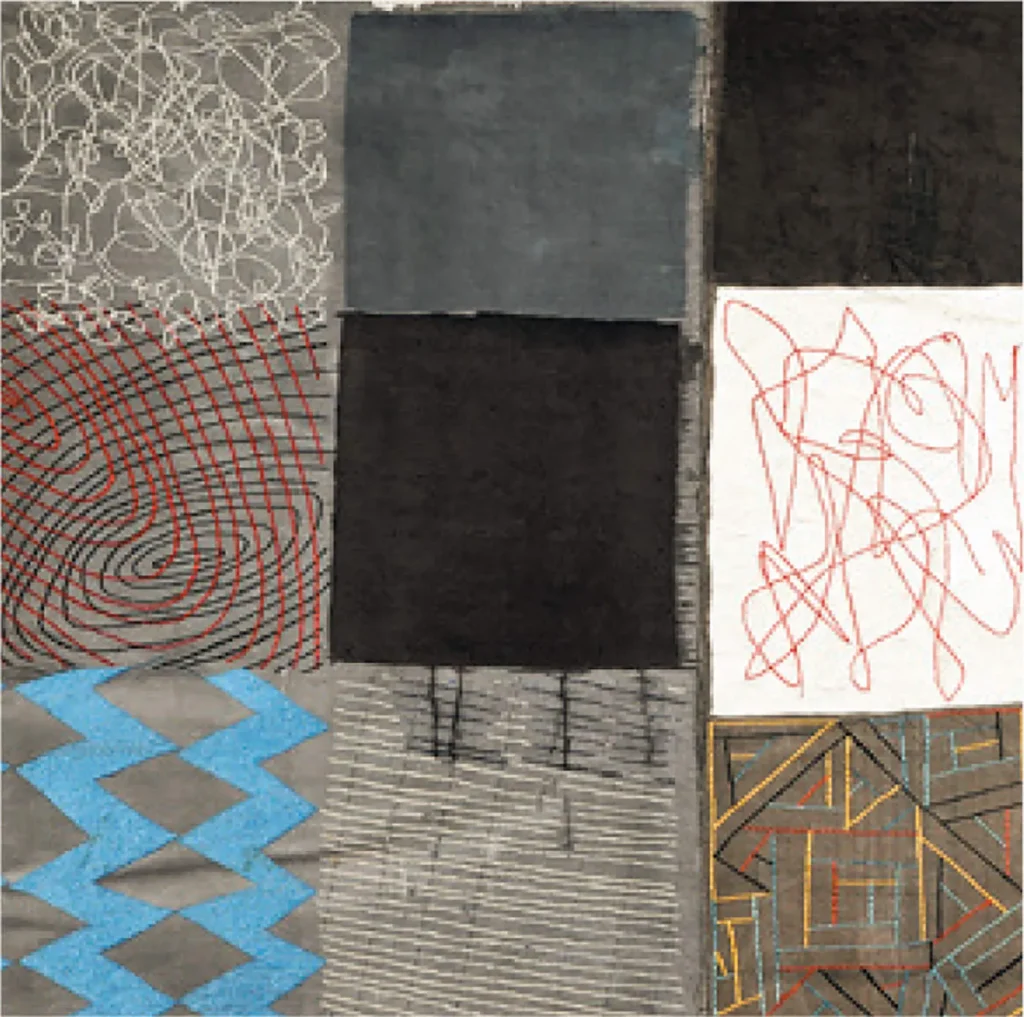
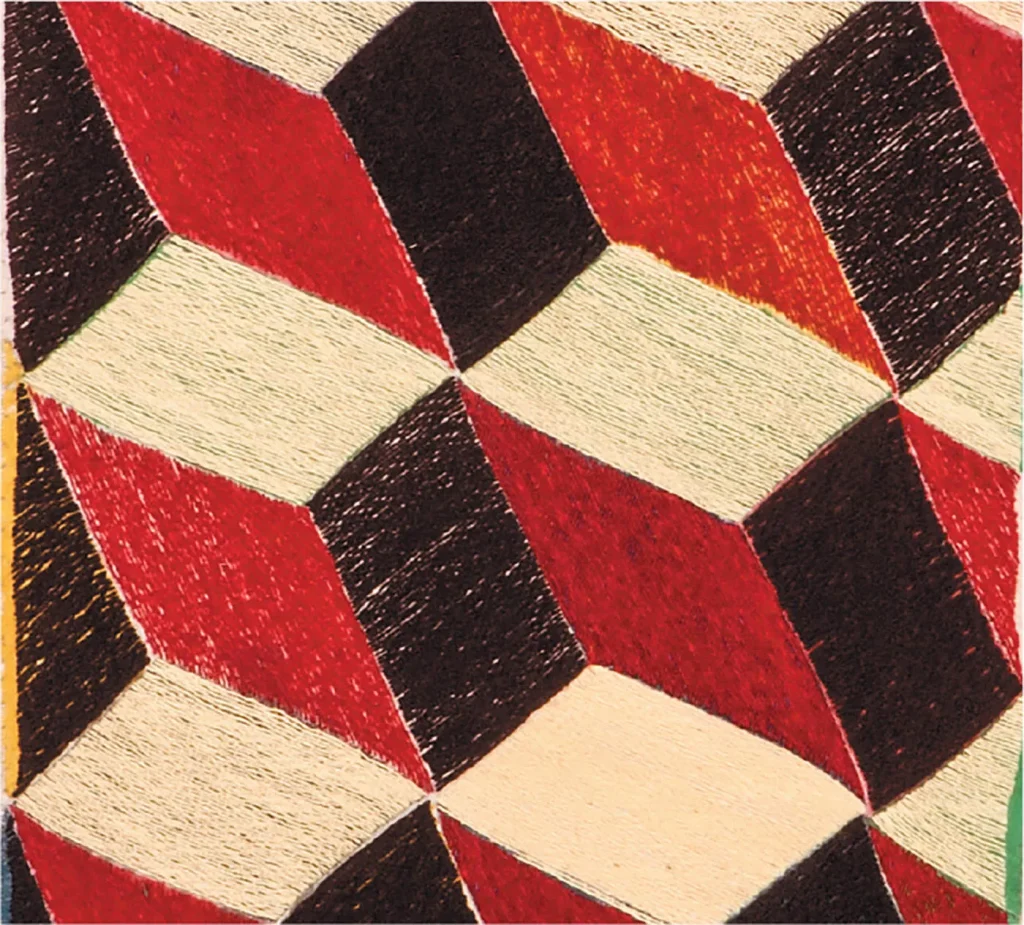
What should be done to change the perception on craft in Turkish contemporary art world?
I wish I had a good answer. On an institutional level there are people like Hüsamettin Koçan at the Baksı Museum in Bayburt whose mission is to revitalise rug making in Eastern Anatolia.
I know some conceptual artists whose art has been produced in villages. I realised that some strategies of Alighiero e Boetti was the same as what I had been doing. We worked by chance and employed skilled craft people (in his case in Afganistan and Pakistan) to produce our work and we were giving those workers a certain leeway to interpret the instructions that were given to them.
Another artist whose work I admire is William Kentridge. Working with the Stephen Tapestry Studio in Eswatini, (between South Africa and Mozambic), he has produced unique artworks that transcend weaving, drawing and suggesting it’s sculpture.
Thanks to Galeri Nev and Istanbul’74 for images
Source: ALIVE: İHİB’s Magazine of Anatolian Rugs and Kilims, January 2025, pp. 64–67.