
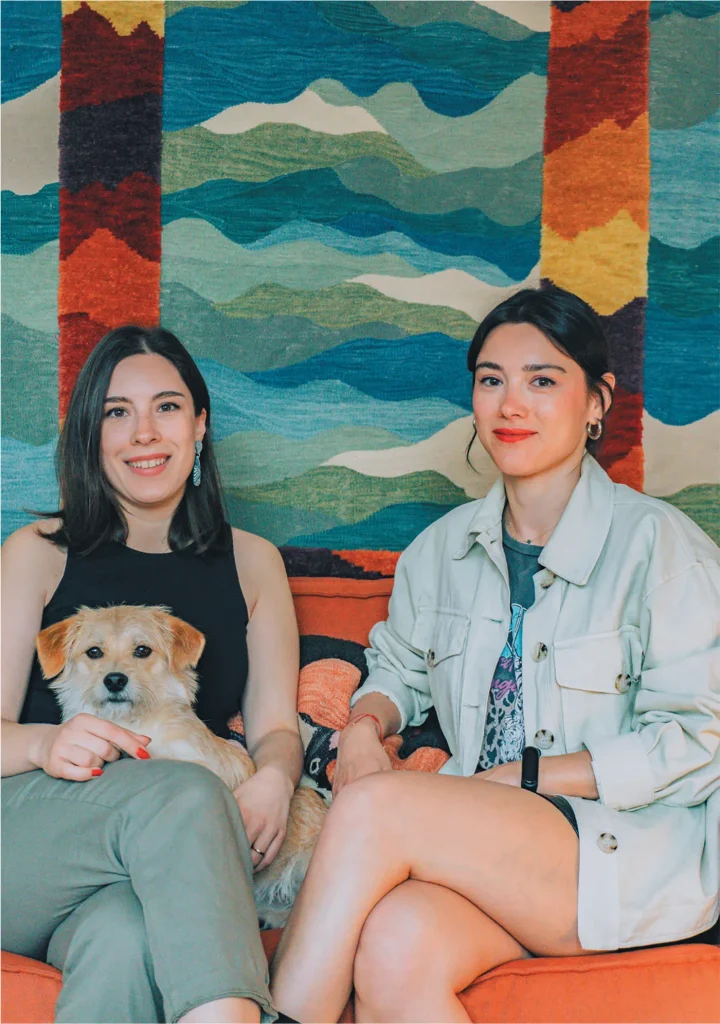
Sisters Cansu and Alev Ertem of Studio Potato discuss the founding of their fresh rug brand that aims to combine tradition with modern design
Interview: Serra Oruç
Could you share the story of Studio Potato with us? How did it all begin?
Cansu: I graduated from the Carpet and Rug Design Department at Mimar Sinan Fine Arts University. I fell in love with discovering carpets and weaving, but I also faced challenges with the traditional approach and resistance to change within the department. While searching for ways to express myself, I decided to combine traditional methods with modern designs. I spent some time in Italy, where I started creating wall decorations from weaving and selling them on platforms like Etsy. During the lockdowns of the pandemic, my sister Alev and I began discussing how we could bring this work to life in Türkiye, and ultimately, we decided to join forces.
Alev: I studied International Relations at Koç University and worked for many years in Türkiye with non-profit organisations focused on entrepreneurship. I’m not a designer, but as Cansu mentioned, during the pandemic, we noticed that weaving was becoming mechanised and that traditional hand weaving was losing its value. These conversations led me to approach this with the perspective I gained from the world of entrepreneurship: why not brand this? That’s how we started. Cansu has a designer’s eye, is excellent with colours, and is technically skilled. Combined with my entrepreneurial experience, we founded Studio Potato. This is not just a passion project. As Studio Potato, our top priority is to strengthen collaborations with female weavers and cooperatives. We aim to be a brand that focuses on women, values design, and is eco-friendly.
You design, and the production takes place in Anatolia. How do you handle your sales channels?
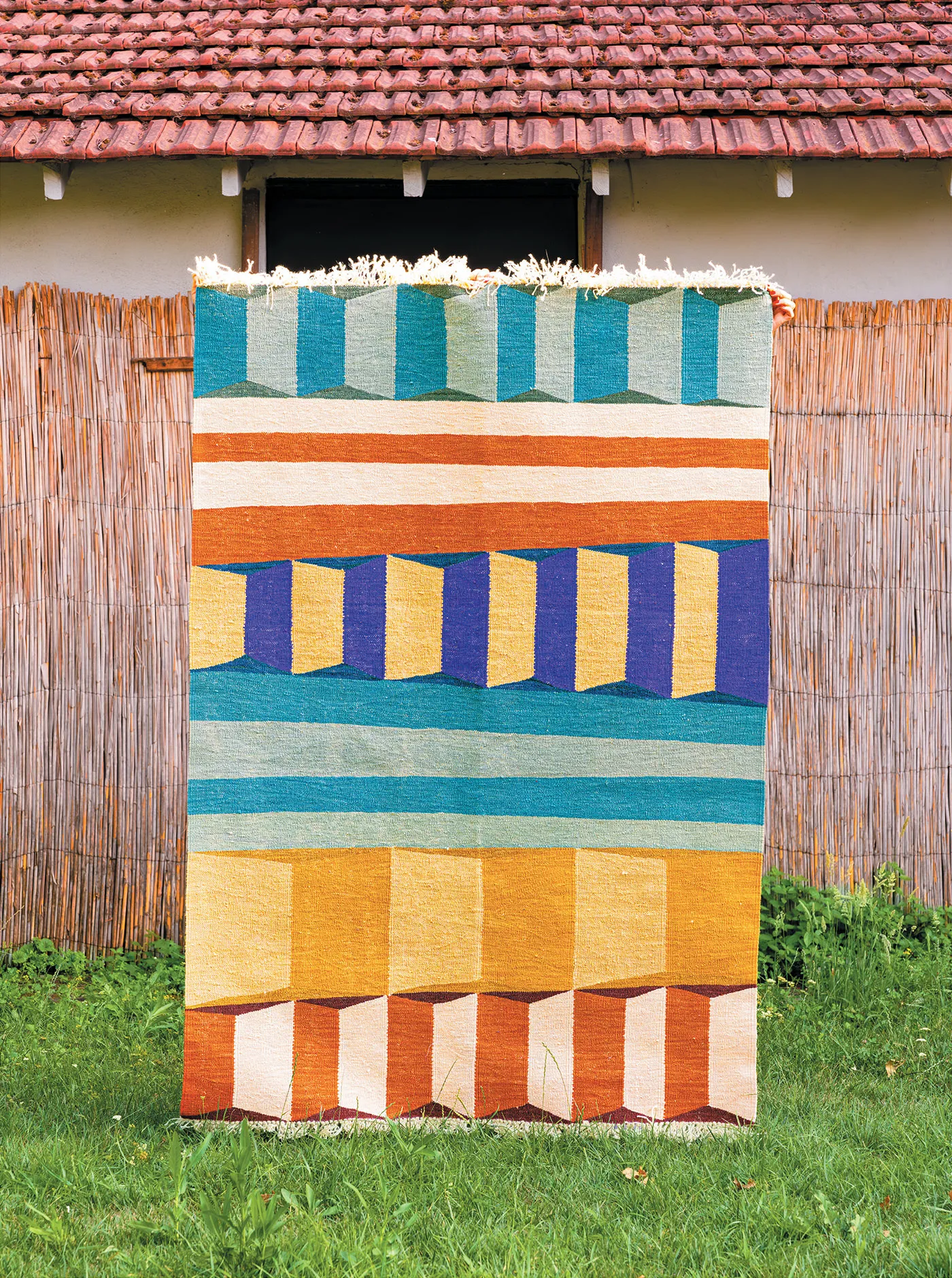
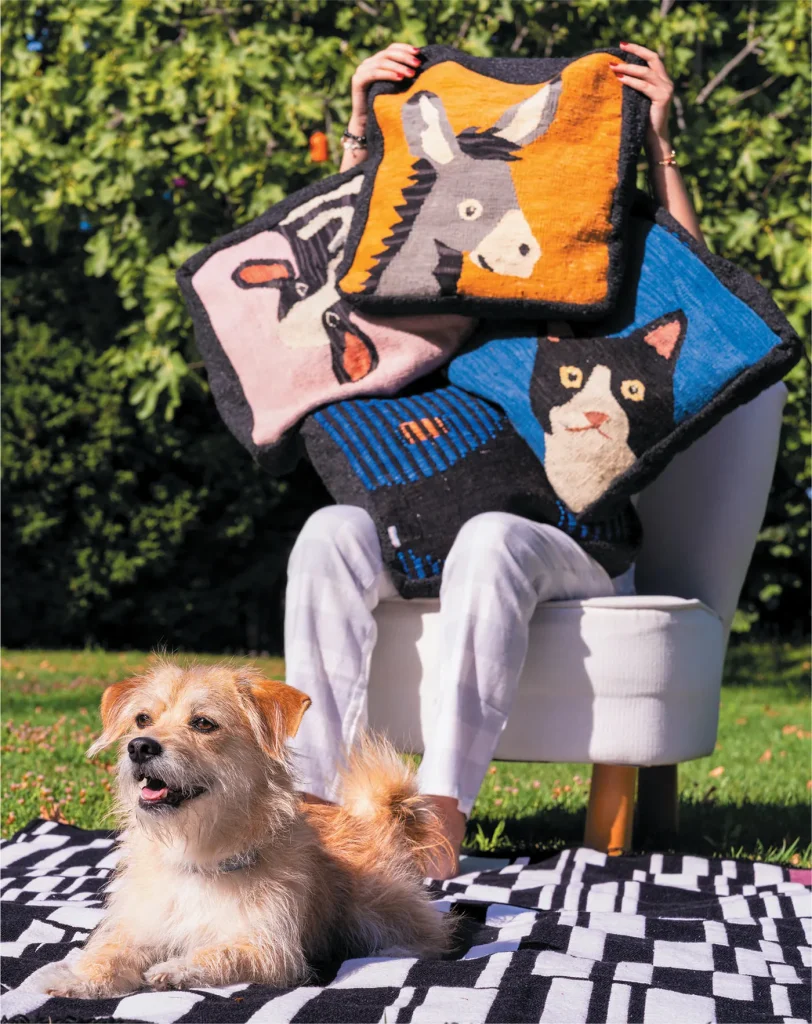
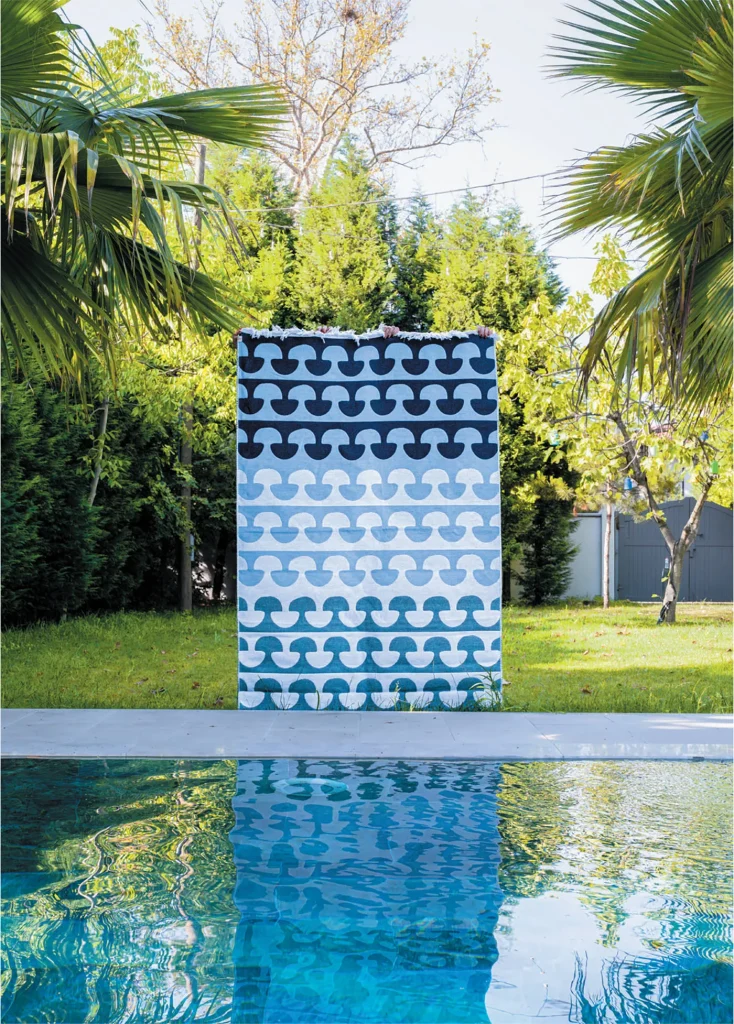
Cansu: I design with the motivation of challenging traditional norms. Geometric patterns dominate in kilim weaving, so we started by experimenting with whether we could create circular designs.
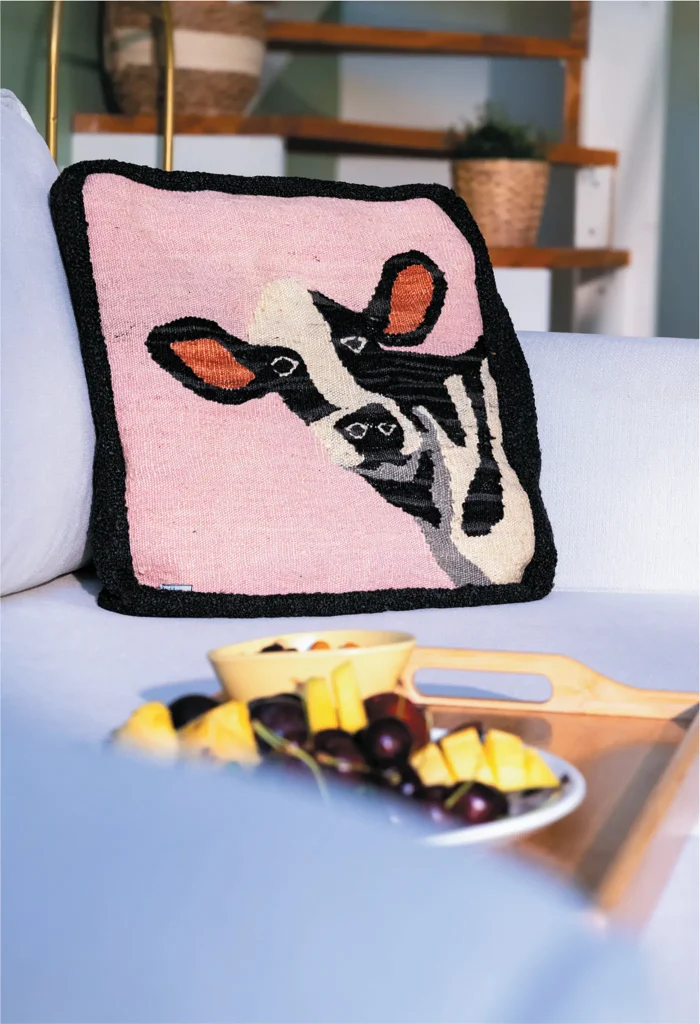
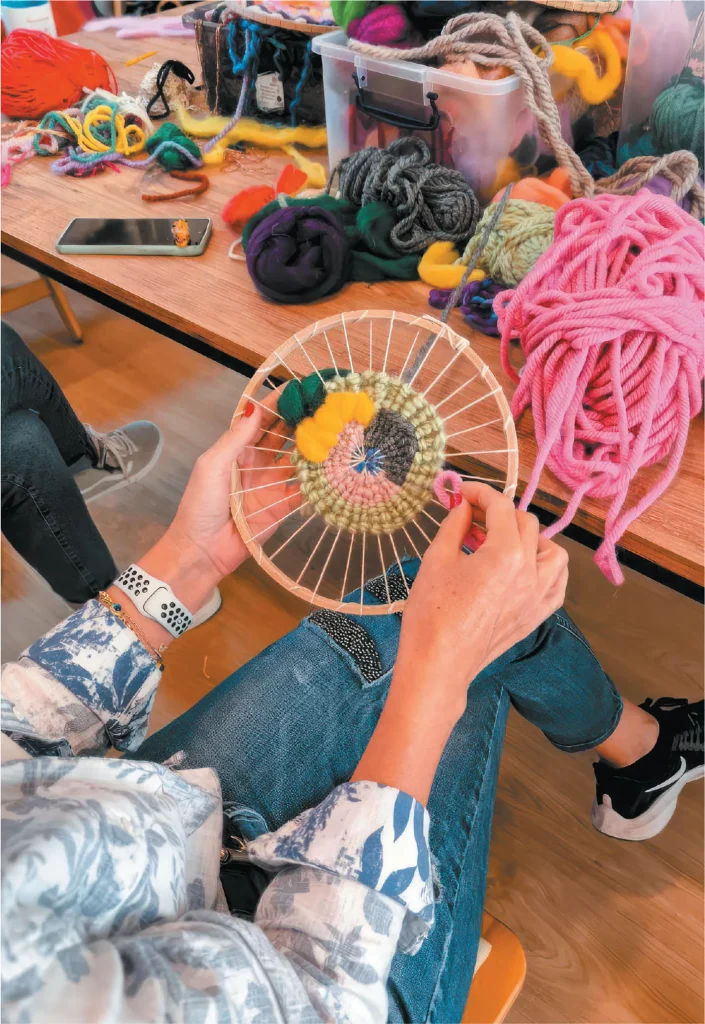
Since I know how to weave myself, I can experiment with different approaches. While searching for producers, I trained many weavers. Building our production network took about a year. Seeing female weavers motivated to learn techniques beyond the traditional ones boosted my enthusiasm. They’ve now become accustomed to producing our designs and can work faster. We started with e-commerce on our own website. Besides our store, we are also featured in nine design shops. We prefer to collaborate with retail points that align with our mentality.
Your philosophy of slow production and not wanting to be everywhere reflects a strong brand stance. How do marketplaces respond to this?
Alev: There are certainly places that understand this approach. The global recession has driven suppliers to purchase in smaller quantities. There’s also interest in more colourful, unique products like ours. Beyond being a brand, we aim to build a community around the values we advocate. We hope to connect with people who are rooted in tradition, respect nature, and shape their living spaces around these principles.
With these values, we believe we cater to a more niche market compared to larger producers. In May, there’s an event in New York for designers that targets interior designers, and we’re considering participating. Representing ourselves abroad is very important to us. We care deeply about showing that there’s a brand from Türkiye that upholds the values of weaving.
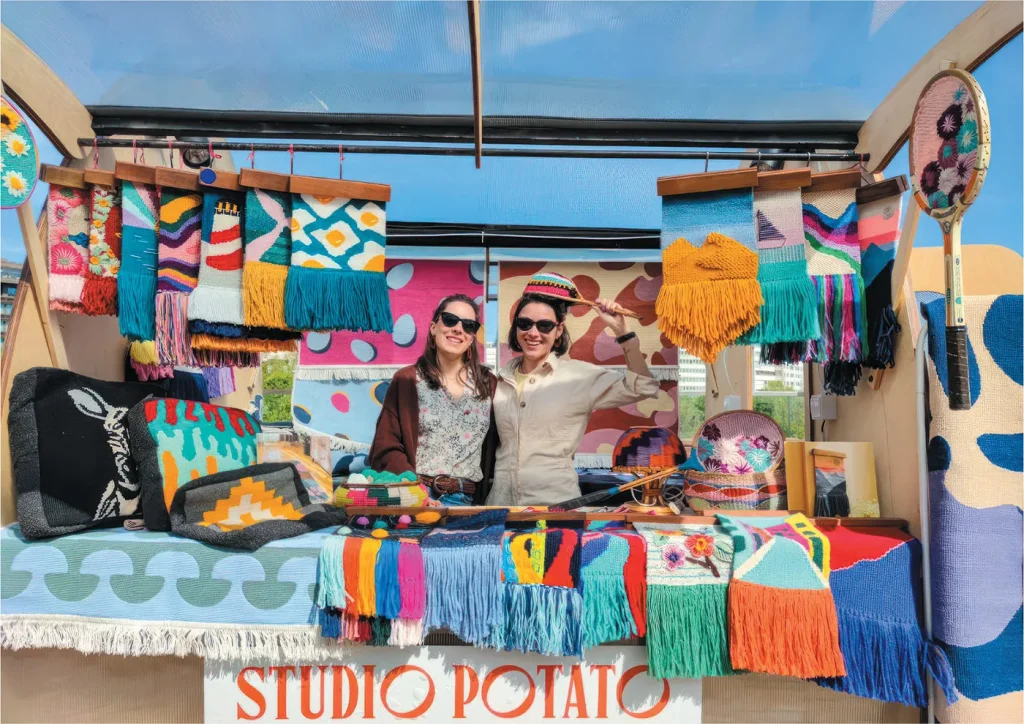
Türkiye is known as a country of carpets. How is it perceived that two Turkish women have created a young brand in this field?
Alev: People are often very surprised. Our name is memorable and has a humorous touch. The reactions we get are generally very positive. The brand name becomes a great conversation starter. When people hear about a carpet producer from Türkiye, they usually imagine a male-dominated world. Seeing two women, they become curious and want to hear our story.
Cansu: The support we receive from brands, such as their showrooms selling our products and providing positive feedback, greatly contributes to our sustainability. Being in places where we aspire to be shows that our efforts are paying off. For instance, during my student years, I followed Floor Story at the Domotex fair. Participating there and receiving positive reactions from the audience was an incredible growth experience for me.
What gap do you think Studio Potato has filled?
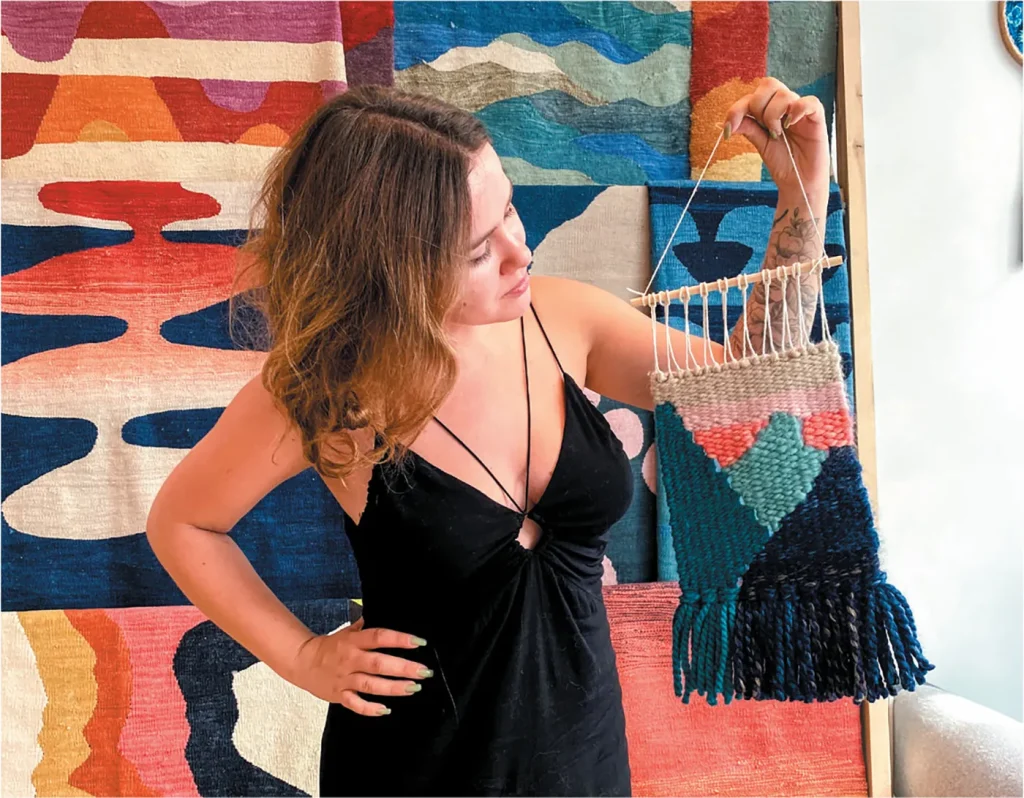
Alev: Innovation and colourfulness. In the chaotic world we live in, we realised everyone needs colour. At the Maison&Objet fair we attended in Paris in September 2023, our booth was the most colourful, and standing out in this way made us very happy.
Cansu: Coming from a traditional department, I realised I didn’t want to see the classic reds and navy blues that have been used in carpets for centuries in my own home. This led me to explore a more vibrant colour palette. During my market research, I noticed that younger generations wanted to bring more colourful products into their homes. Why shouldn’t a beautifully designed product be accessible? We created a collection to answer this question, and we’re seeing the rewards of it. As design awareness grows and people encounter beautiful designs, they’ll start to demand them more. The increase in design-focused brands and the difficulty people face in choosing among them brings us great joy.
What do you think about the future of tradition?
Alev: There is a strong trend, especially in Europe, towards innovation and sustainability. Governments have imposed regulations on companies. At global summits like Davos, global warming and finding solutions to overconsumption are some of the most talked-about issues. From this perspective, consumer trends are also changing. Our customers want unique and eco-friendly products. Mass production is losing its appeal for consumers. In response to market demands, we believe Studio Potato has made the right positioning.
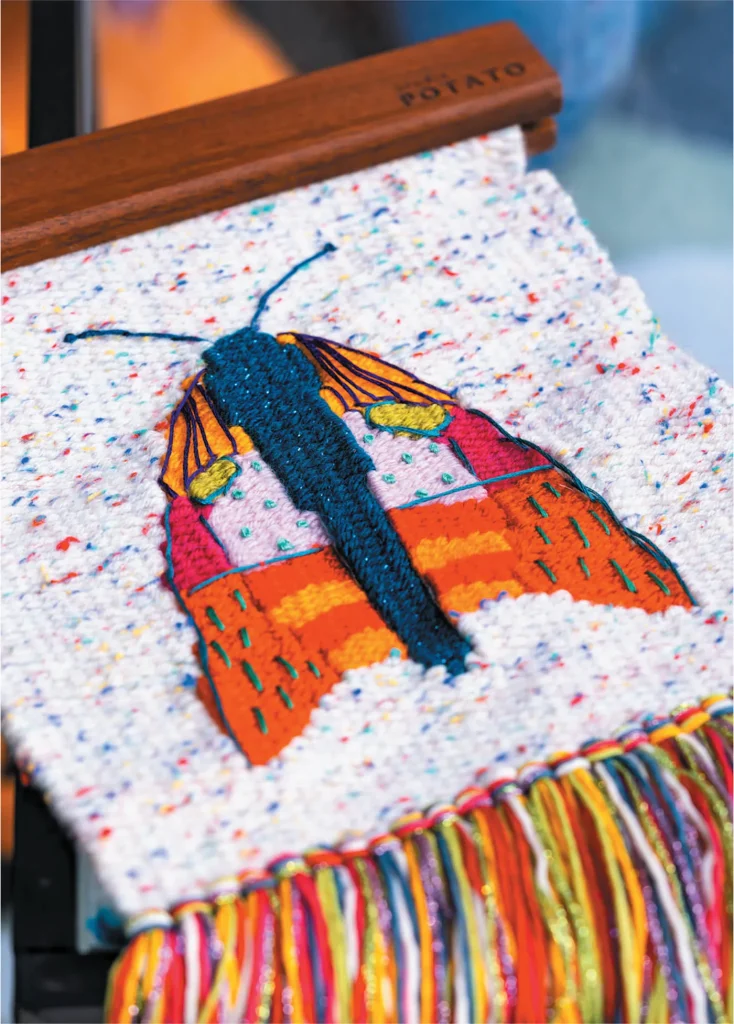
Cansu: I view it from a more pessimistic angle. Rising costs, economic uncertainty, and the increasing difficulty of production are the biggest obstacles for brands like ours. Government support is needed. If conveniences are provided for company owners and female weavers, we can talk about the future of this industry. There is still much work to be done! Also, young people do not have much interest in carpet weaving. This is a very traditional craft, passed from mother to daughter. If they don‘t see it at home, it‘s not very encouraging for them to pursue it outside. That‘s why we organise workshops at our store. For me, weaving is a kind of meditation. I try to instill the same feelings in the participants who come here. I want to introduce the idea that you can weave just like you knit at home. We also have blog posts aimed at explaining the value of weaving to the younger generation. Raising awareness and conveying this value is one of our missions. Each weave is different, it’s literally a work of art, and we market this personal touch.
Source: ALIVE: İHİB’s Magazine of Anatolian Rugs and Kilims, January 2025, pp. 40–45.