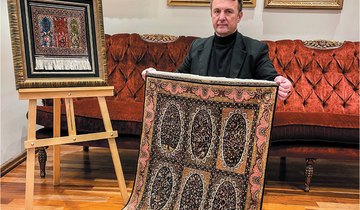

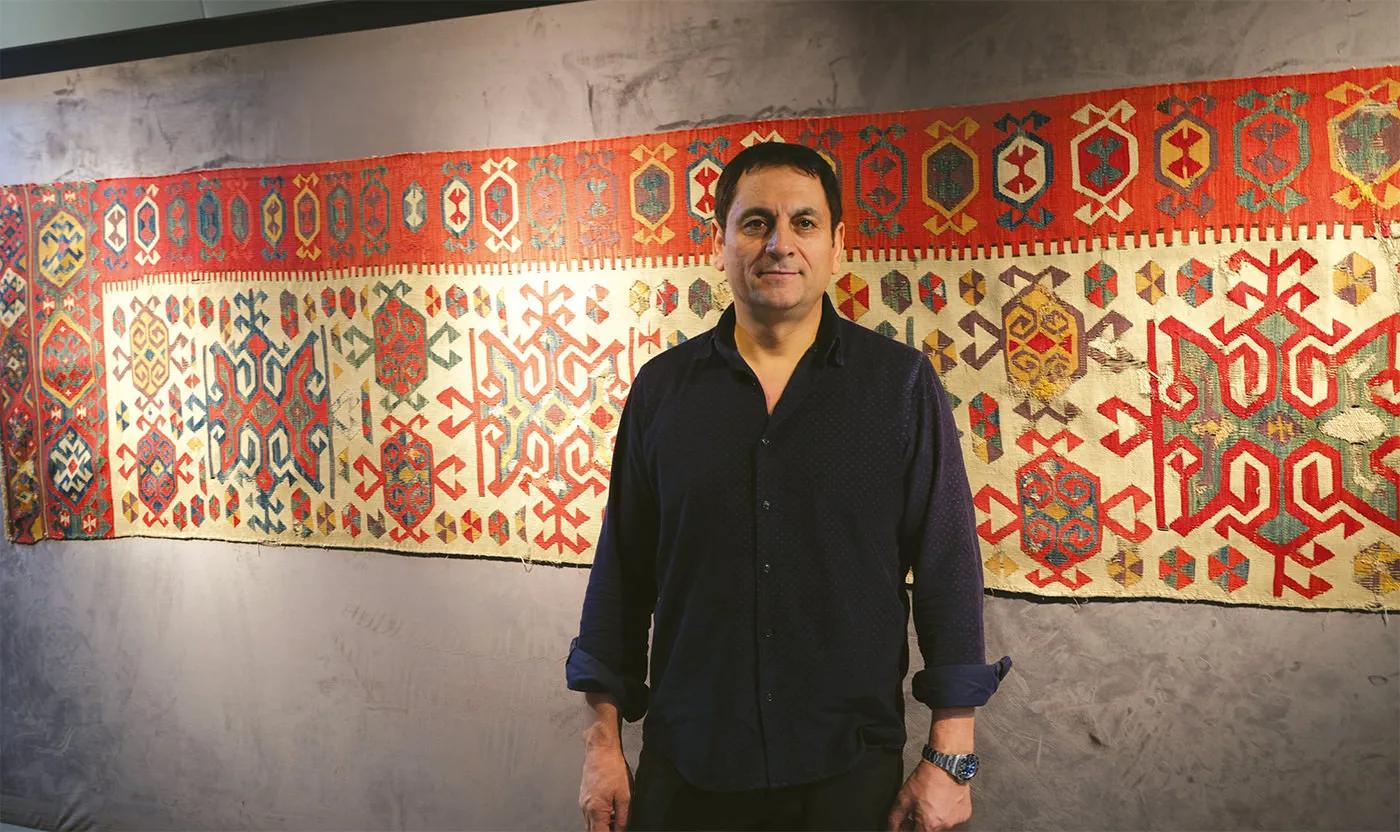
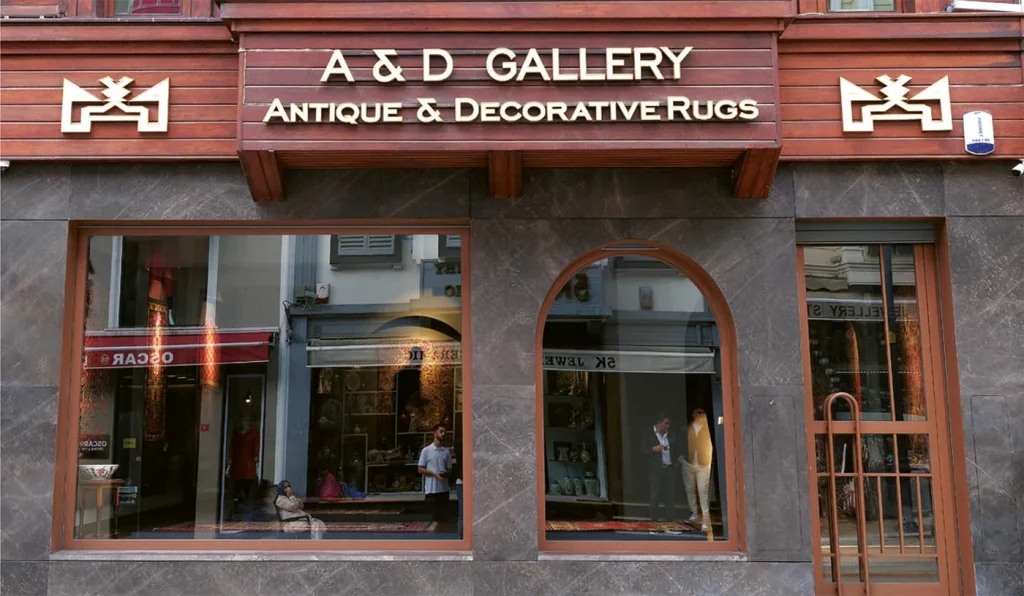
Gallery Aydin was launched in the late 1990s. Having evolved into one of the largest rug dealerships in Türkiye, it has recently been rebranded as A & D Gallery. Here, the company’s founder, Adnan Aydin, talks about the importance of his background in textile restoration and how keeping in touch with trends has allowed his business to thrive
Interview: Serra Oruç
How did you first get involved with carpets? Can you tell us about your journey and what fuels your passion?
I grew up around carpets–my father is a carpet manufacturer in Aksaray. When I was a child, I was surrounded by wool and the processes of dyeing yarn. It was part of my everyday life. When things went bad between my father and his business partner, I began my career as a rug restorer. I was only fourteen years old when I started. I’ve always believed that difficult moments eventually lead to something good. That’s my philosophy–what seems like a setback at one point can turn into an opportunity later on.
That mindset is what took me from Sultanhanı to Istanbul. When I first started working, there were around 200 restorers around me, but very few went into the commercial side of the business. Most didn’t want to take the risk that comes with buying and selling. I started my business when the market was far from being what could be called a golden age of carpets.
I am very satisfied with where I am now. Thanks to this profession, I’ve had the chance to see almost every corner of the world and to meet incredible people along the way. It’s more than a profession—it’s been a lifelong journey of passion and connection.
What are the benefits of truly loving your work?
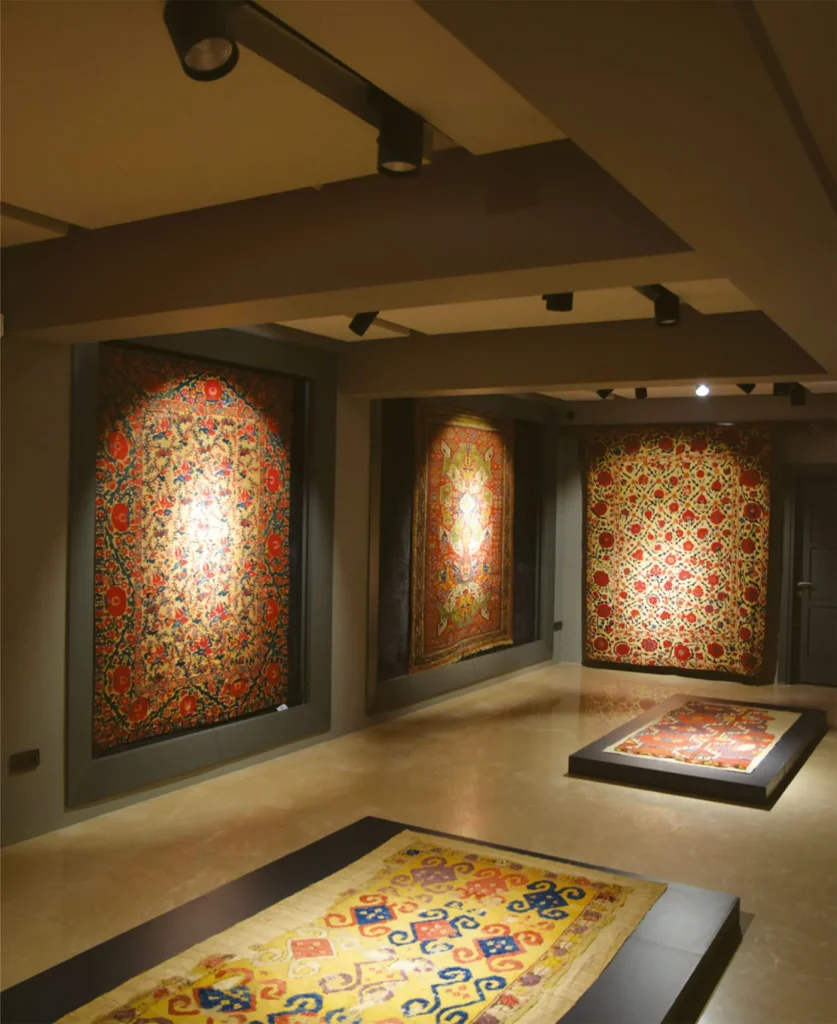
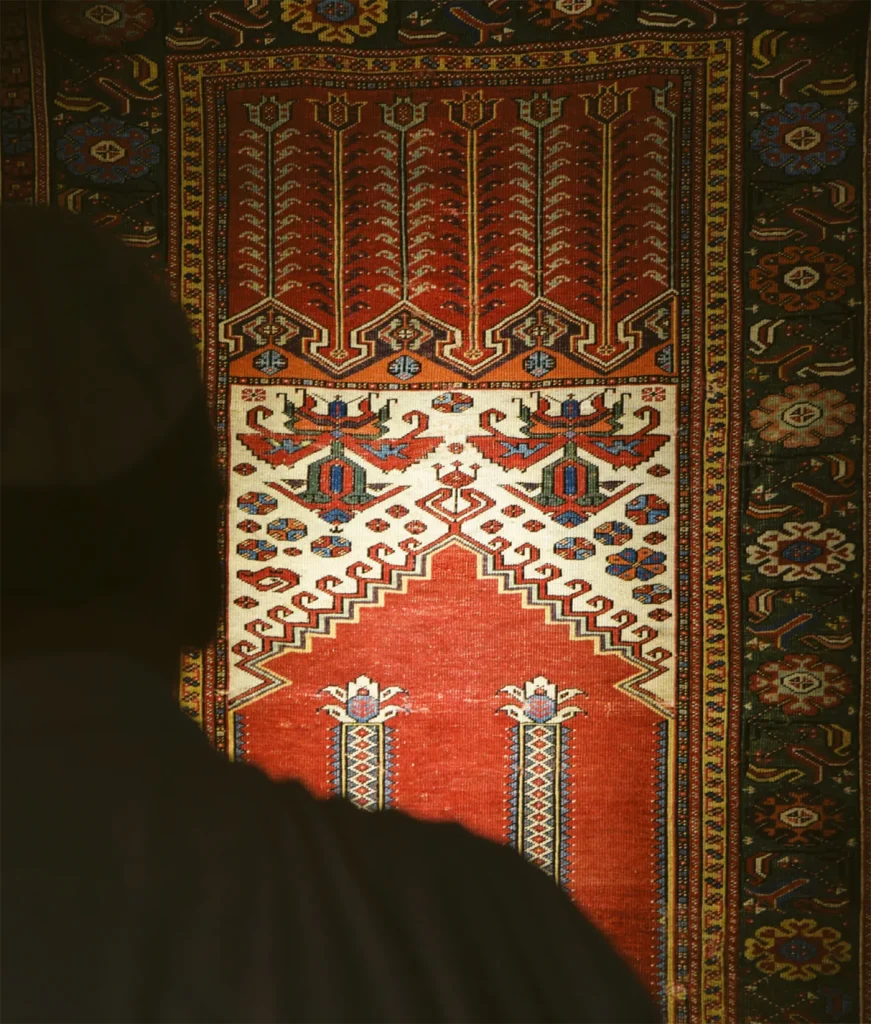
When I come across an exceptional carpet, it feels as if I’m living with it—as though it becomes part of my daily rhythm. Not every piece evokes that feeling. And it’s not about its monetary value, it’s about the artistry. When a carpet carries a truly beautiful design, being with it brings a deep sense of joy and connection.
How does one become a carpet connoisseur?
Working as a restorer is an incredible advantage. You get to handle some of the finest pieces. You train your eye. Every carpet we repair teaches us something new. Even by touching it, feeling its texture, noticing its colours – that’s the greatest education you can have. It shapes you, guides you and trains your instincts.
Today, one of the biggest challenges in the field is the rise of fake pieces. Even experienced dealers sometimes struggle to tell the difference between an authentic and a counterfeit carpet. But being a restorer helps you notice subtle flaws and irregularities more easily.
I constantly study books and catalogues, and I closely follow auction houses, both the old and the new lots. It keeps me informed about the market and helps refine my sense of taste. I sometimes wake up in the middle of the night to explore catalogues. If you educate yourself, eventually success will come.
How has the market changed over the years for collectible items?
During the 1980s, the market for carpets was thriving, regardless of the rug’s quality. Istanbul, even regions across Anatolia, regularly welcomed dealers from all over the world. Major rug dealers from Germany and Austria would visit almost every week, shaping the market’s trends and tastes. Today those people are fading away. The strongest interest in antique carpets now comes from collectors in the United States, where the largest dealer network is based. They determine trends and shape supply.
The world has changed dramatically. We even sell carpets through online channels, thanks to our reputation. With the rise of social media, customers have developed a new and more refined sense of style. Compared to the collectors of the past, today’s buyers are far more knowledgeable—they seek only the finest pieces. This shift has led to market saturation, but I see this in a good way; today only truly exceptional pieces are highly priced.
How do you see the younger generation’s interest in this field?
The collector profile today is mostly made up of older people, but they are true enthusiasts. When an exceptional piece comes up at auction, it always finds a buyer. Although the interest from the younger generation is lower than expected, the finest pieces still receive wide appreciation.
When I visit your gallery, I often see young people around. That’s quite rare among antique dealers. I find it very valuable that the new generation is embracing this business with such enthusiasm. How did you manage that?
At first, it was all about guidance. I believe I raised my children well in this field. During my travels to Europe, I noticed that the finest carpets were always sold at auctions. On one of my trips to Germany, I bought an auction catalogue from a bookstore, and that became my most important guide.
I asked my children to start archiving the auction dates and the carpets that they liked from that catalogue. Seeing that the pieces they selected were later sold at good prices motivated them even more.
There are unwritten rules in business. There is no strict way to achieve success—you learn by being immersed in it. Unfortunately many of my dealer friends failed to spark their children’s interest. I believe I managed to make my children truly love their work. Encouragement is essential. Just as we teach moral values, I think it’s important to adopt them to the business world as well. My approach has been entirely intentional.
Do you believe an appetite for carpets will rise again?
Carpets and kilims used to be seen as elements of village decoration. After the publication of the book Anatolian kilims: The Caroline & H. McCoy Jones Collection by Cathryn M Cootner (1990), a new wave of interest towards kilims emerged. In Belgium, there was a collector who practically worshipped the kilims he bought. And he eventually sold those kilims for the price of fine art. A group of dealers managed to elevate these carpets and kilims dramatically—they had that kind of influence. They brought carpets and kilims into the realm of fine art. Today, a revival of that kind needs to be reignited by tastemakers, influencers and editors of magazines like Architectural Digest.
Unfortunately, unlike Iranian collectors, Turkish collectors and art enthusiasts tend not to appreciate rugs and kilims. If they were the primary buyers of Turkish carpets, their prices would rise significantly.
How do you see the balance between tradition and innovation in this field today?
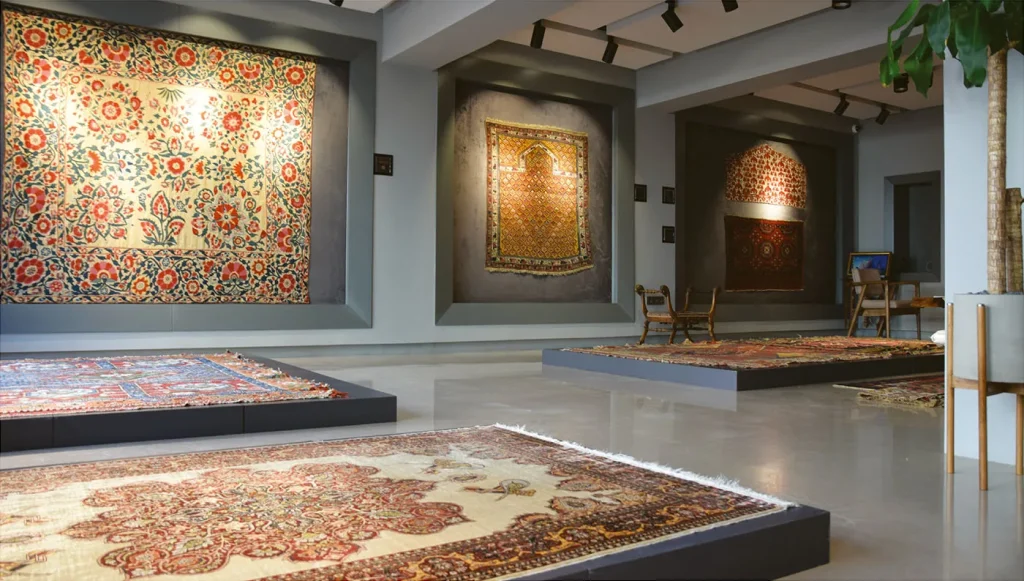
You cannot be stuck in a purely traditional ideology. You need to know your customer and be willing to travel to countries where demand is rising. In fact, you have to connect with people first to understand their taste. Only then can you match their preferences effectively.
Caucasian carpets and kilims were once a major trend, following the opening up of the Russian market. Today, nobody is demanding such pieces. Museums are collecting large-size carpets. When you know trends, you can keep up. For instance, American collectors have grown tired of the brightly coloured carpets that were once highly sought after, and the market has been negatively affected. In today’s economic conditions, you have to appeal to customers with different tastes.
Beyond collectible goods, there is also a strong market for decorative goods. You need to address both segments. Antique wash is a very popular trend, and A & D Gallery—Antique & Decorative Rugs, is a leading authority in this field.
Source: ALIVE: İHİB’s Magazine of Anatolian Rugs and Kilims, January 2026, pp. 16–19.