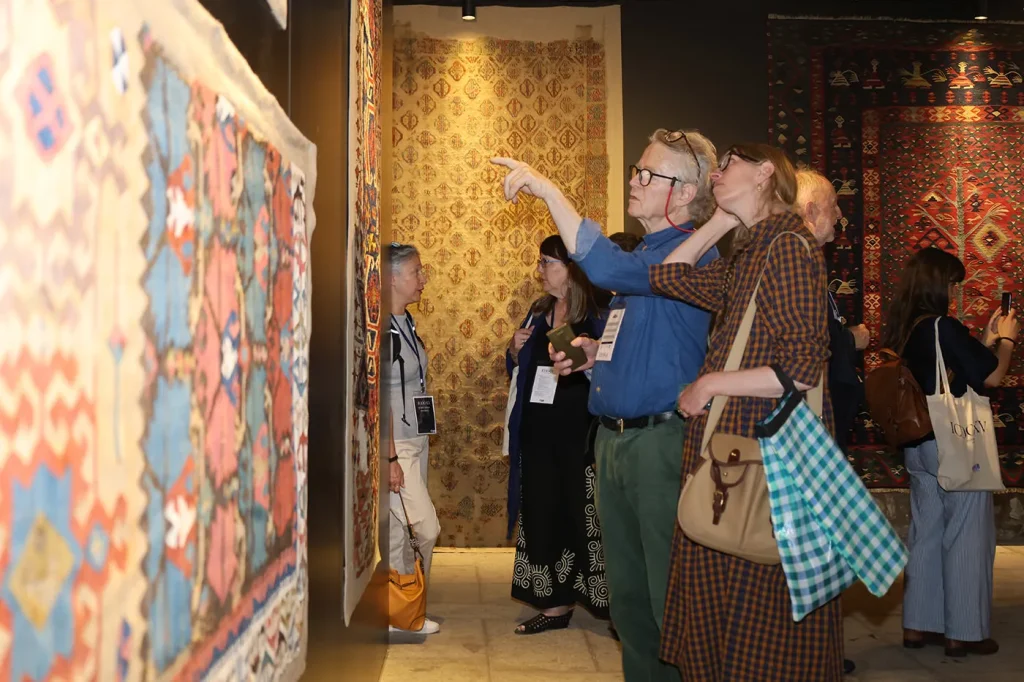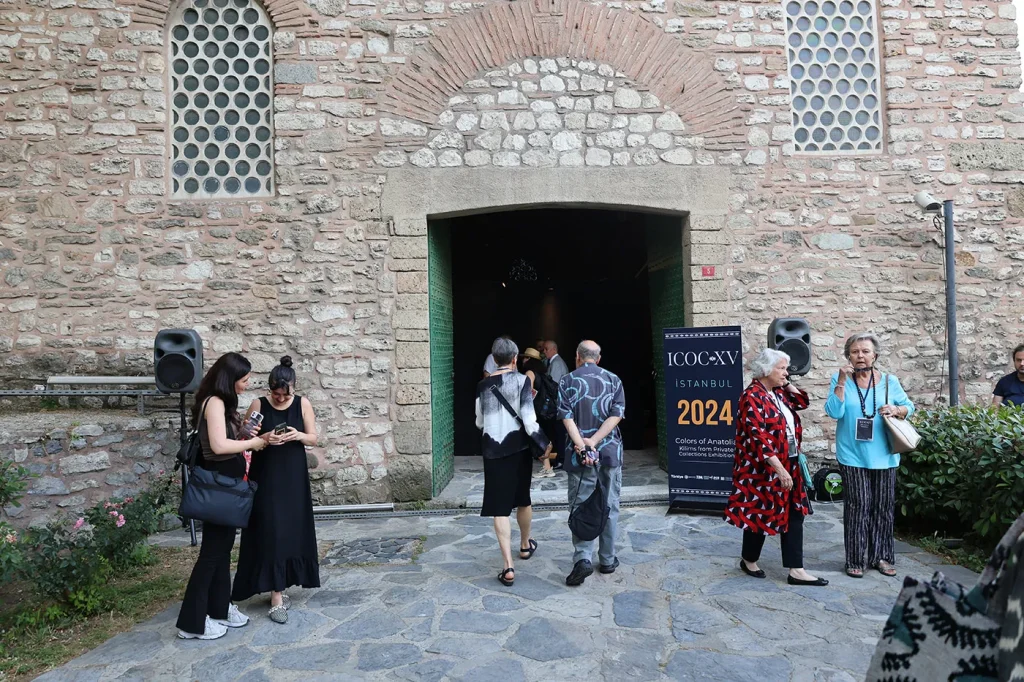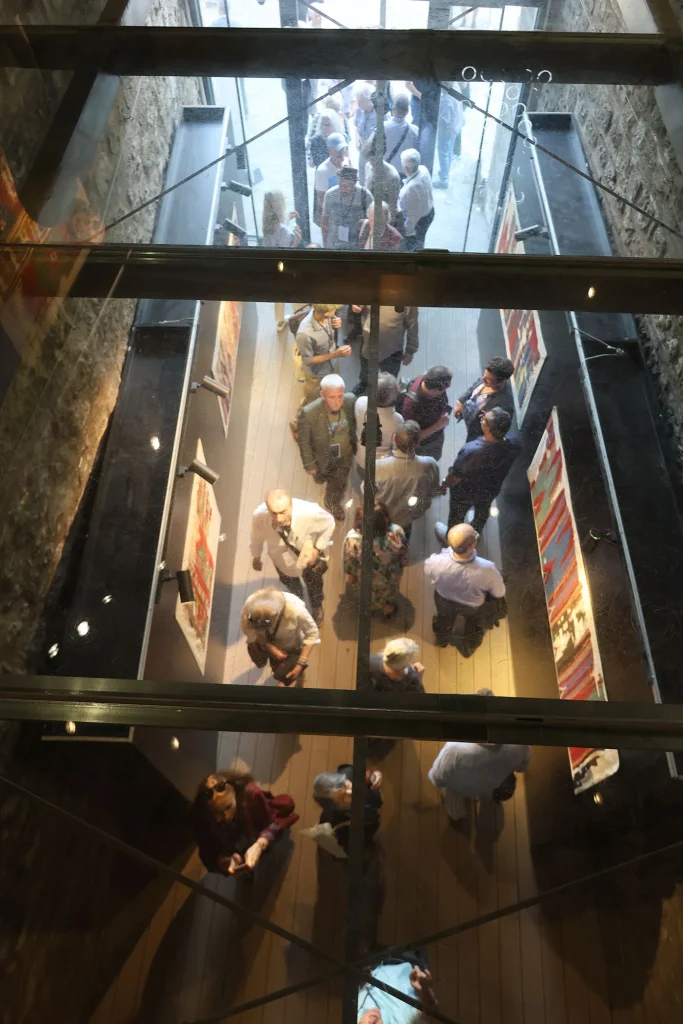

Istanbul hosted the 15th International Conference on Oriental Carpets (ICOC) for the second time since 2007, held at The Marmara Taksim between 6–9 June 2024. Organized by the Istanbul Carpet Exporters’ Association (İHİB) with the support of the Ministry of Trade and Ministry of Culture and Tourism, the conference brought together leading scholars, collectors, dealers and textile experts from over 20 countries. Under the theme “Oriental Carpet Studies 2024: The Past and Future of Carpet Weaving and Collecting,” the program focused on both historical textiles and contemporary practices, highlighting Türkiye’s ongoing role as a vital center for weaving traditions, research and innovation.
Building on this international gathering, the conference extended into a city-wide exhibition program across Istanbul’s cultural venues. Main exhibitions took place at the Turkish and Islamic Arts Museum, Dolmabahçe Palace Art Gallery and Tophane-i Amire. Alongside special presentations at Anna Laudel Gallery and VKV Büyükdere Evi, as well as selected private collections. Together, these exhibitions offered rare access to both museum-held masterpieces and privately owned works, many shown publicly for the first time.
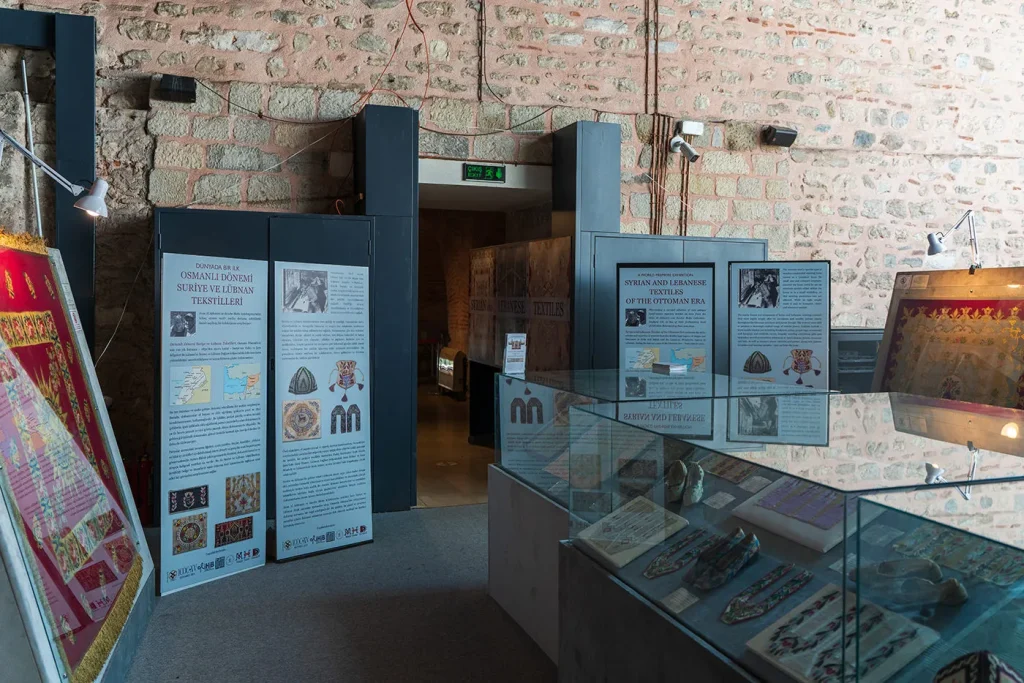
Woven Treasures: Carpets and Fabrics from the Ottoman Palace
Dolmabahçe Palace
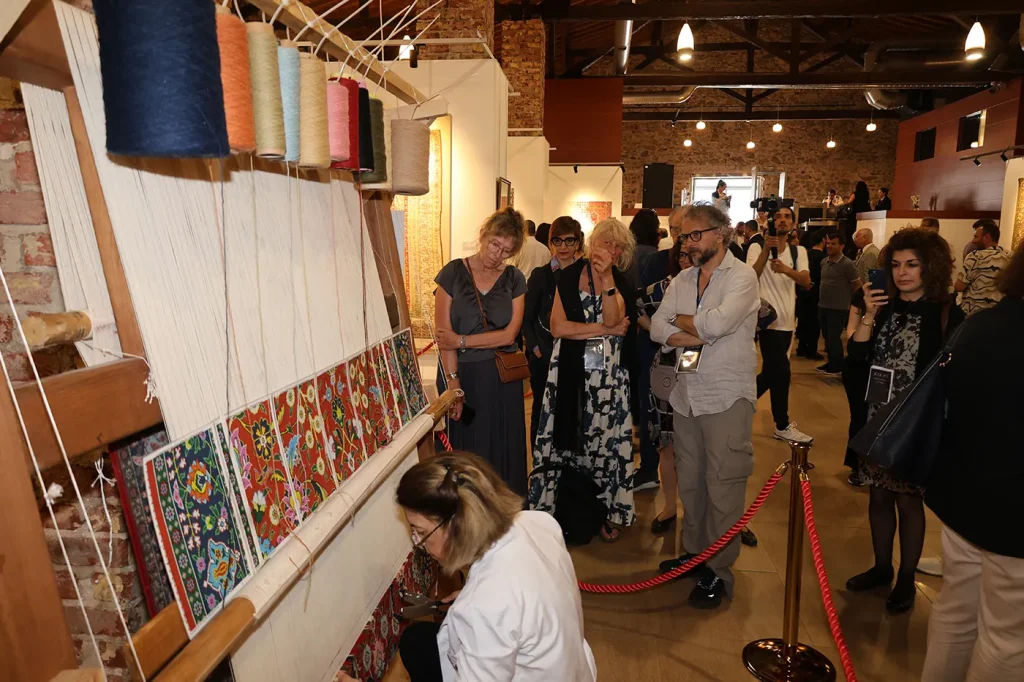
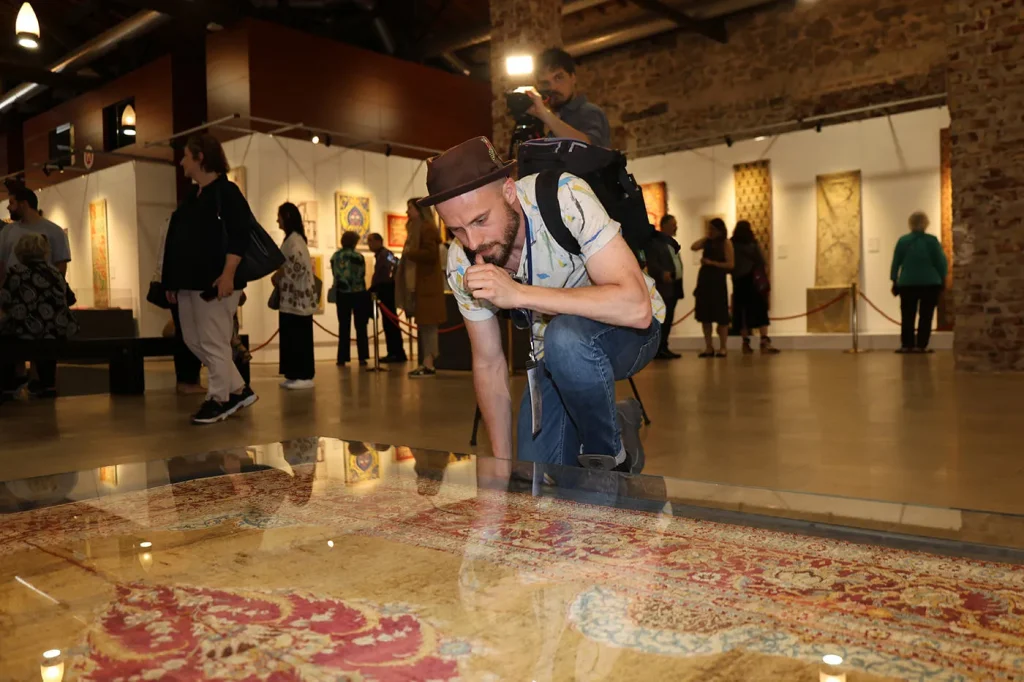
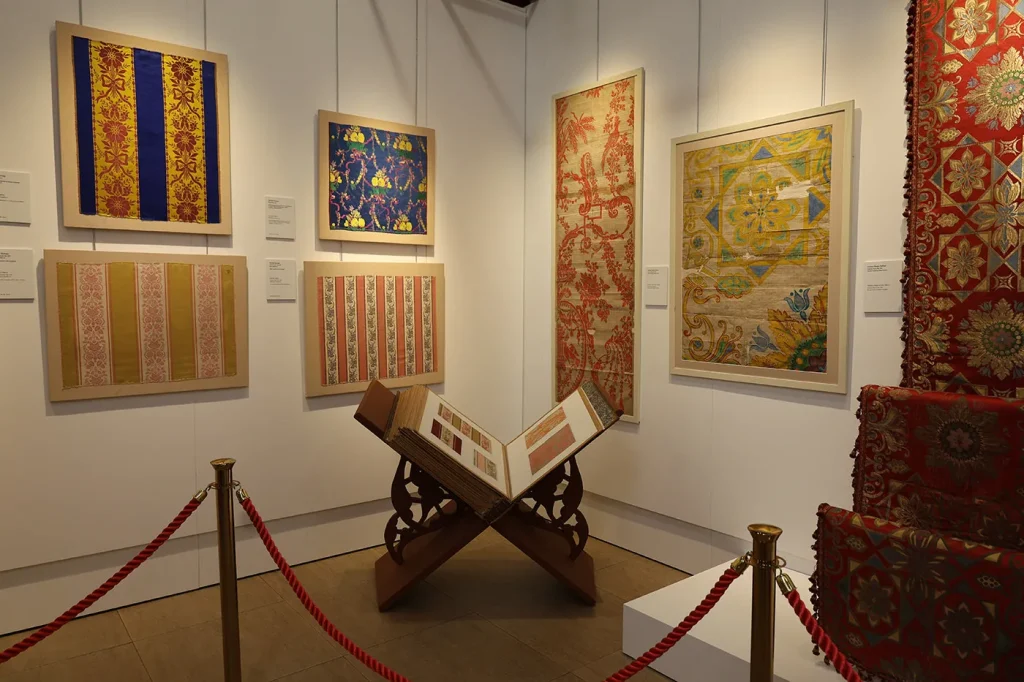
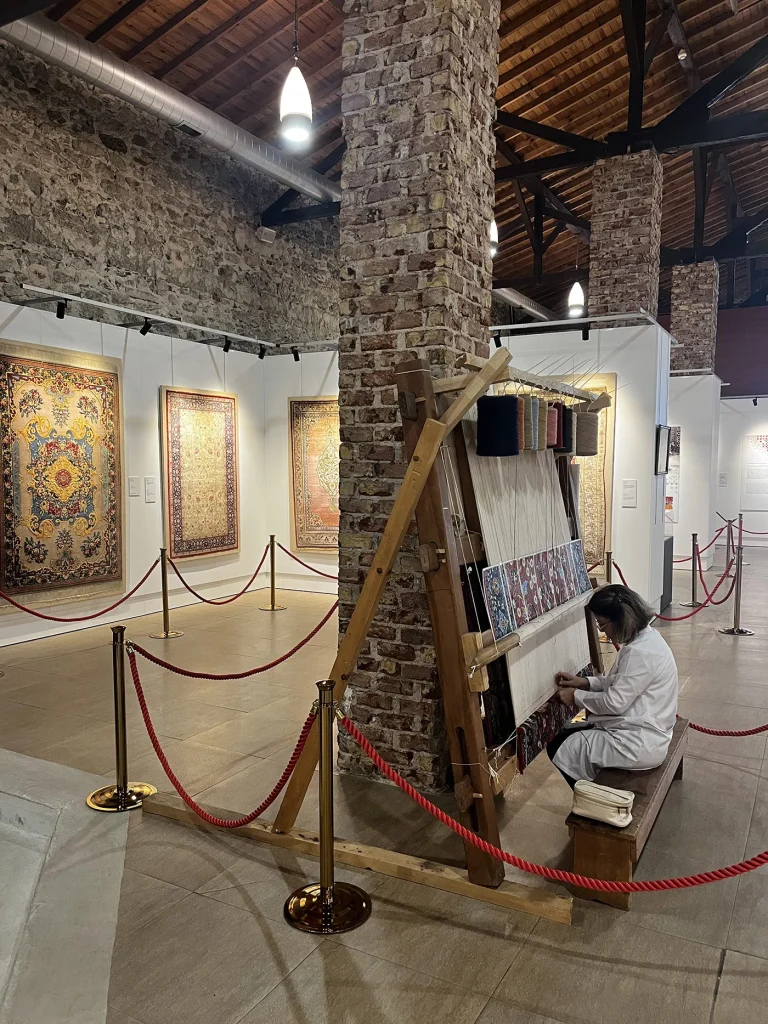
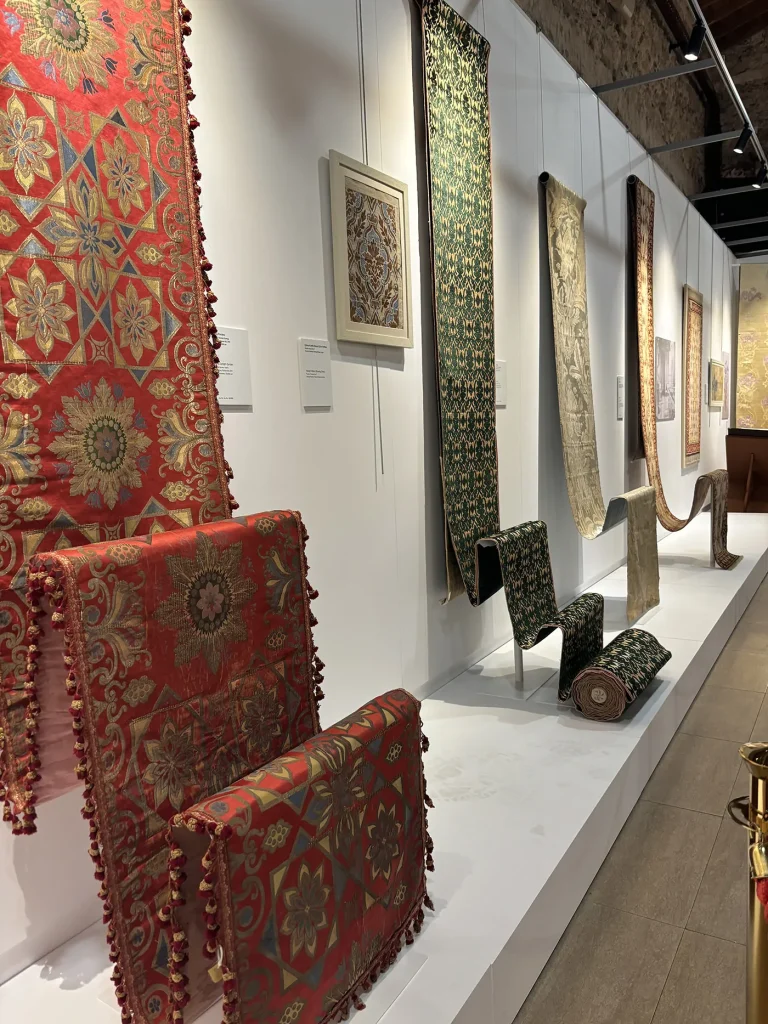
Prepared within the scope of the conference, the exhibition brings together a distinguished selection of carpets and textile artefacts dating from the Ottoman period to the present day. The works are drawn from the National Palaces collections, mainly the inventories of Topkapı Palace and Dolmabahçe Palace.
The exhibition highlights the uninterrupted tradition of Ottoman palace carpet production that continued from the 17th century until the early 20th century. Among the exhibited works are six rare examples from the renowned Topkapı Palace prayer rugs collection.
Also featured are representative palace carpets and textiles produced by the Hereke Fabrika-i Hümayunu during the 19th century. Historical catalogues and reference books used in pattern production, ambrotypes documenting the works after their completion, and archival photographs offering insight into the production and preservation processes are presented alongside the textiles.
Through these materials, the exhibition offers a layered perspective on the artistic, technical and cultural legacy of Ottoman rug and textile production.
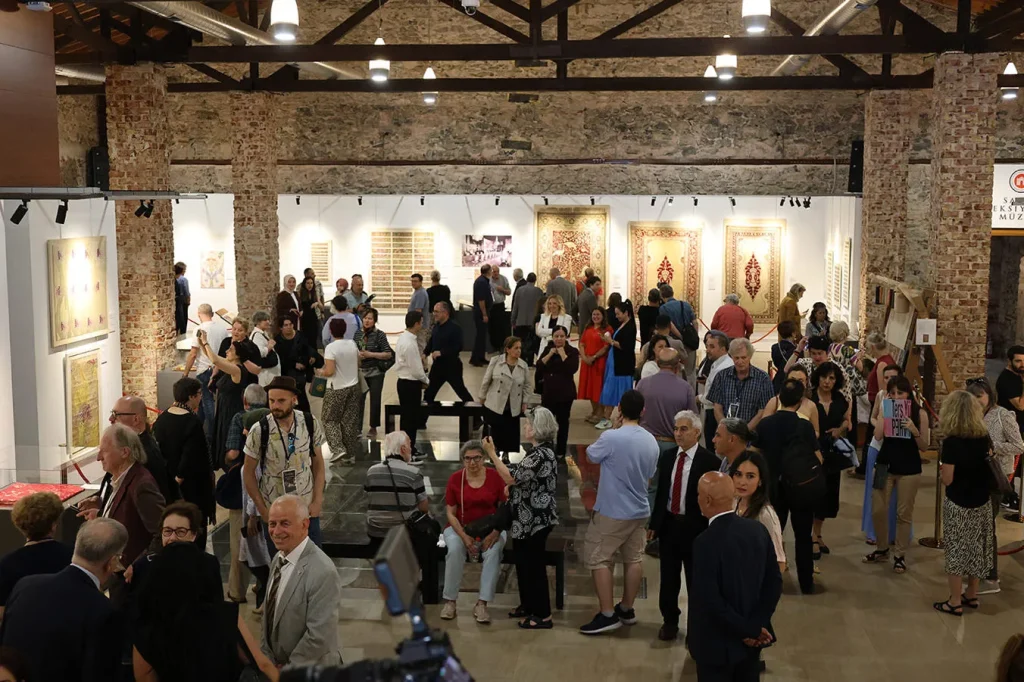
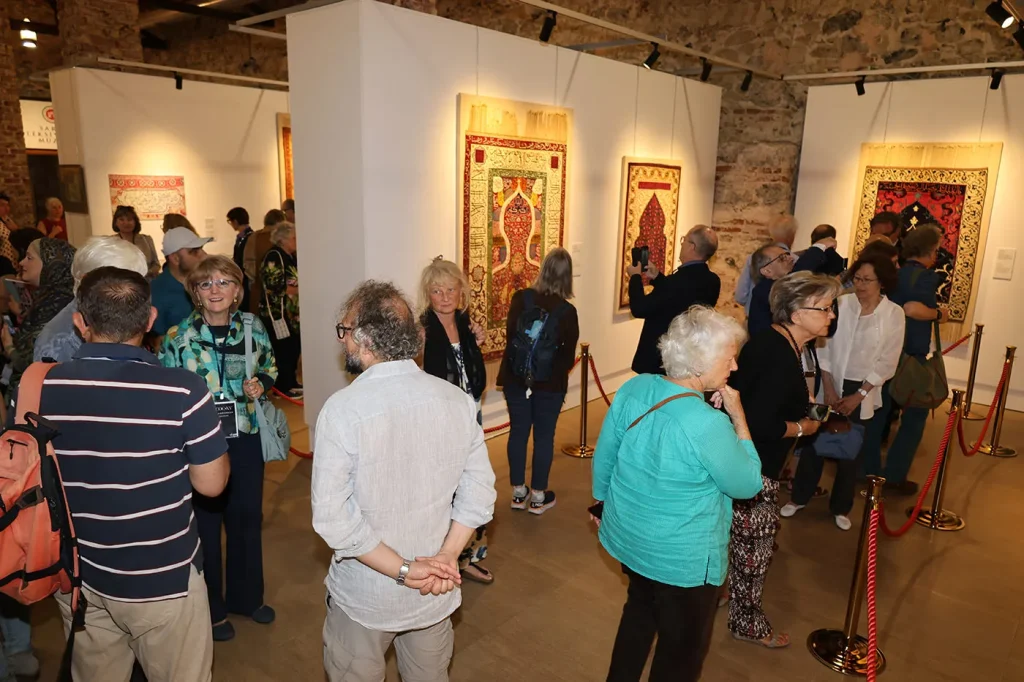
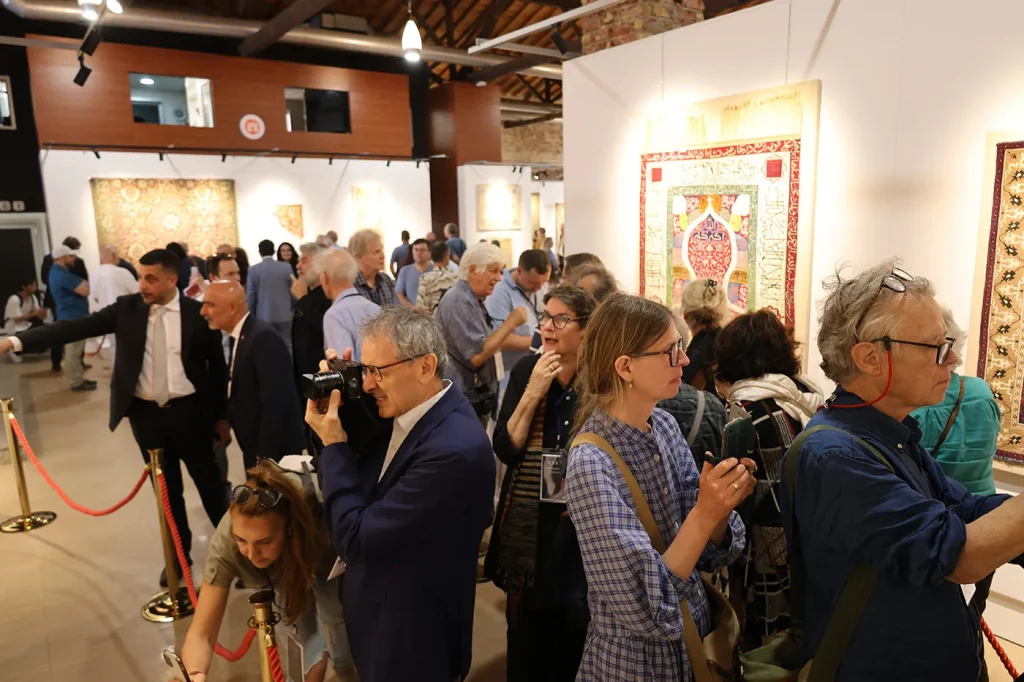
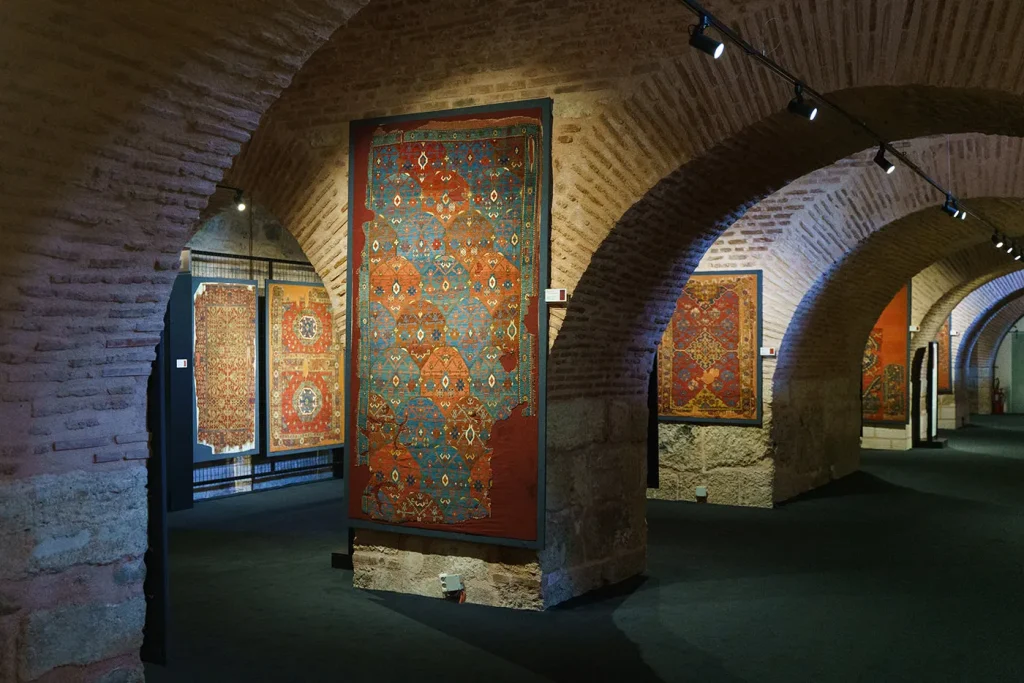
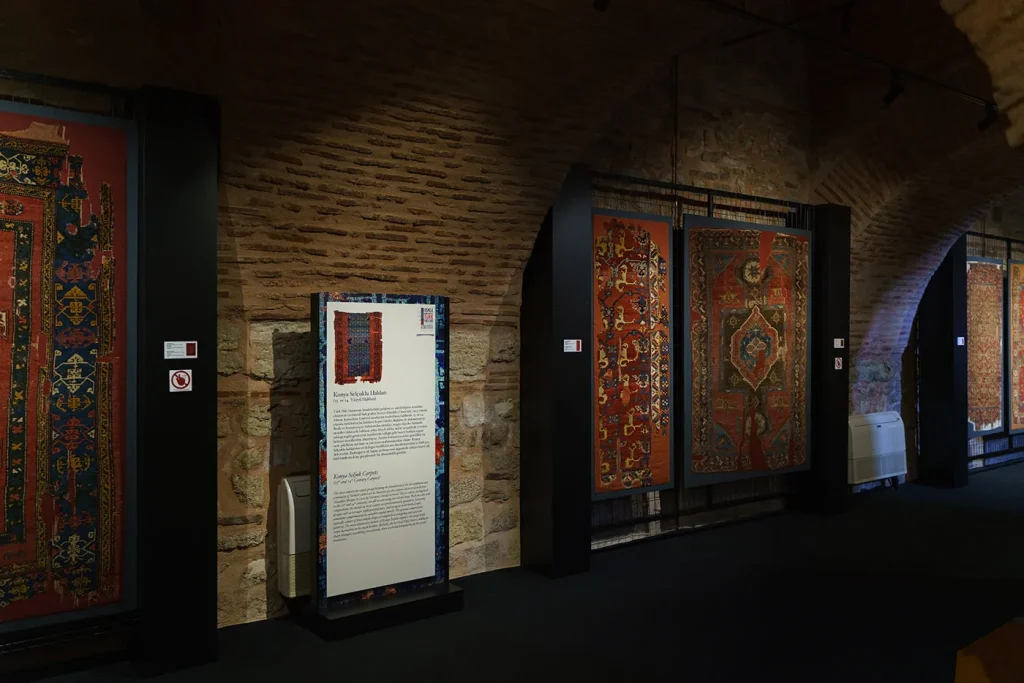
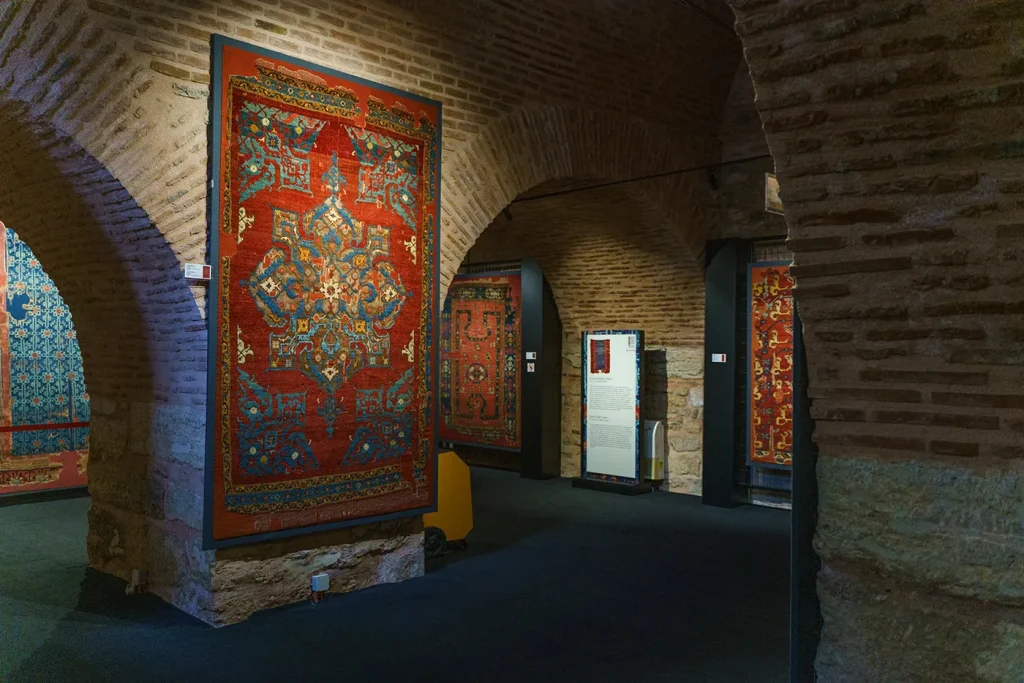
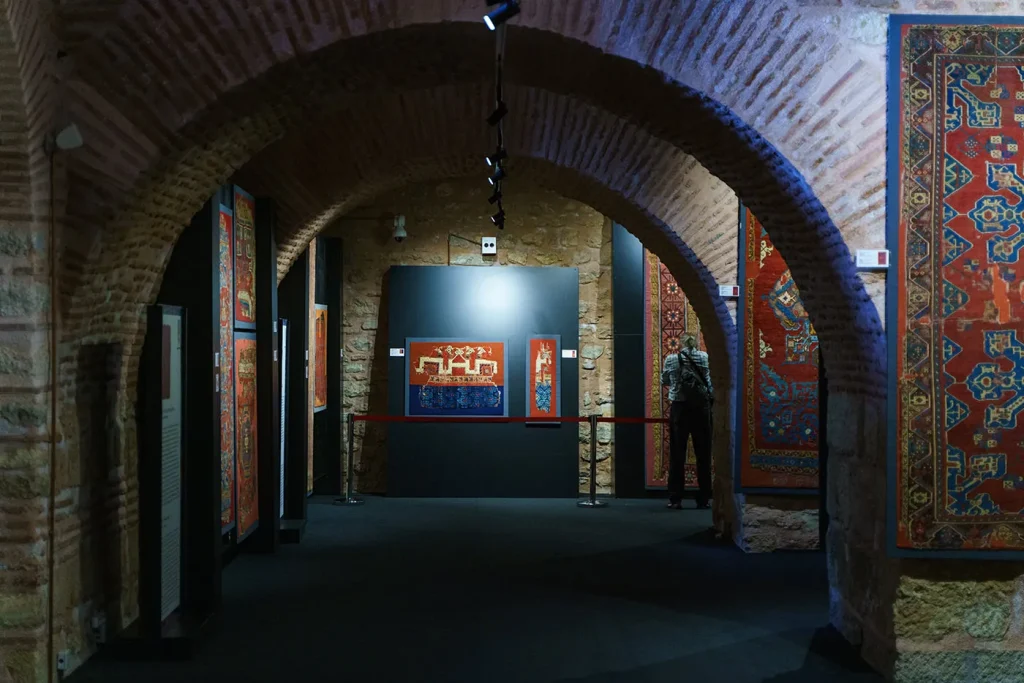
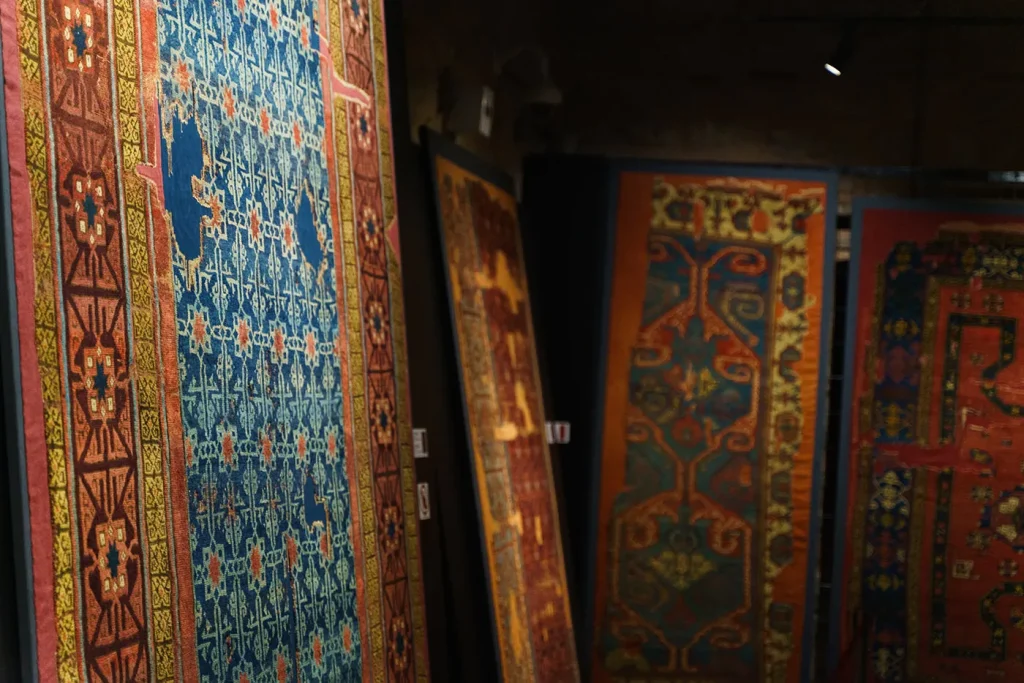
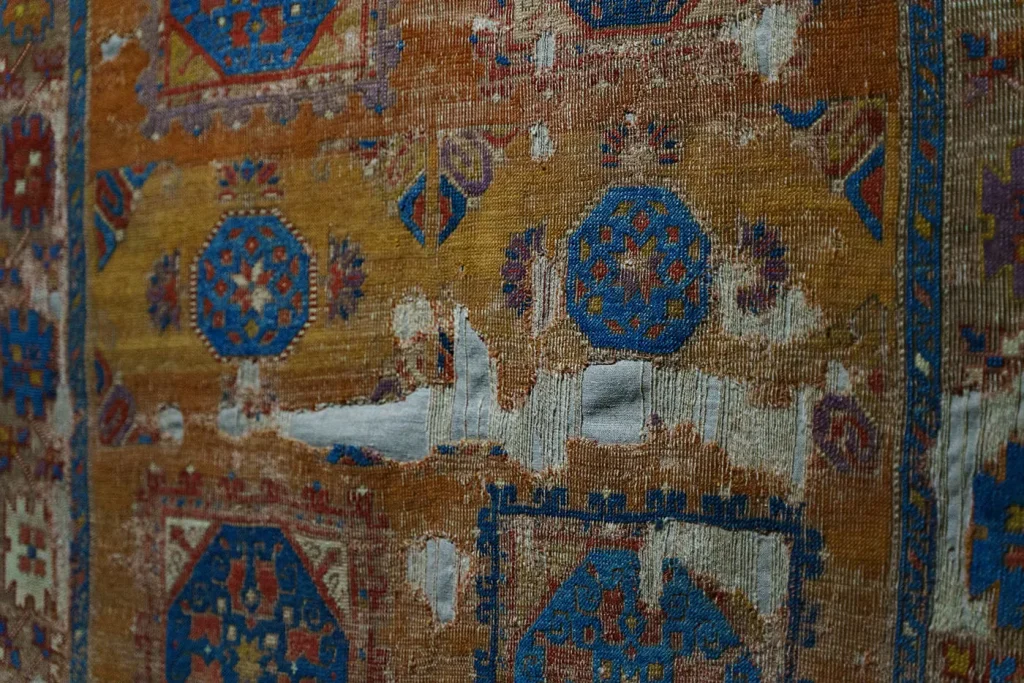
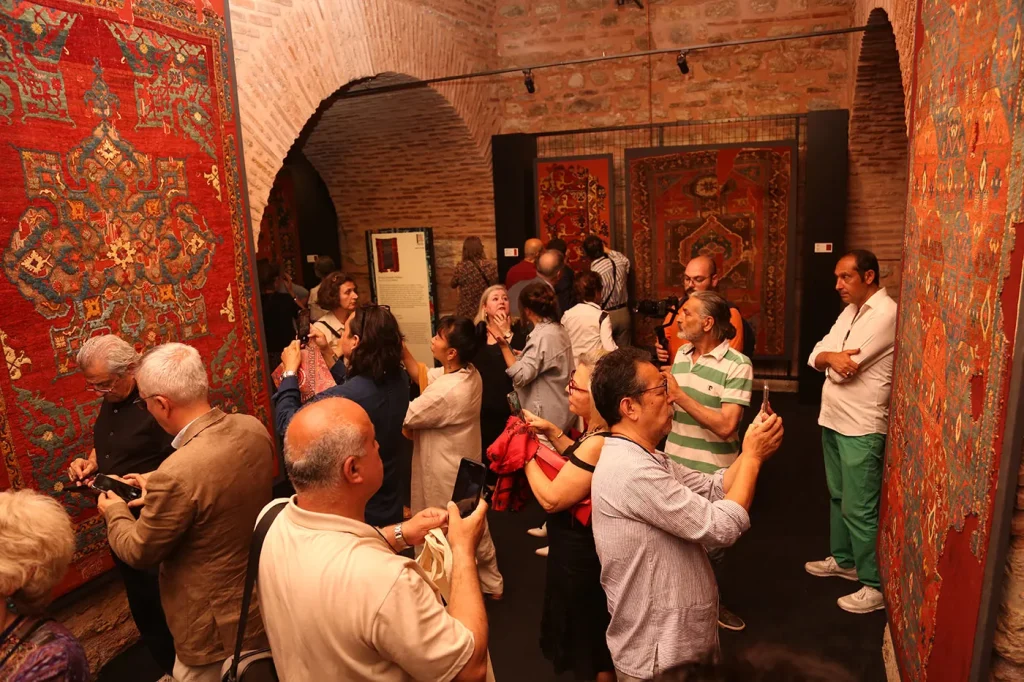
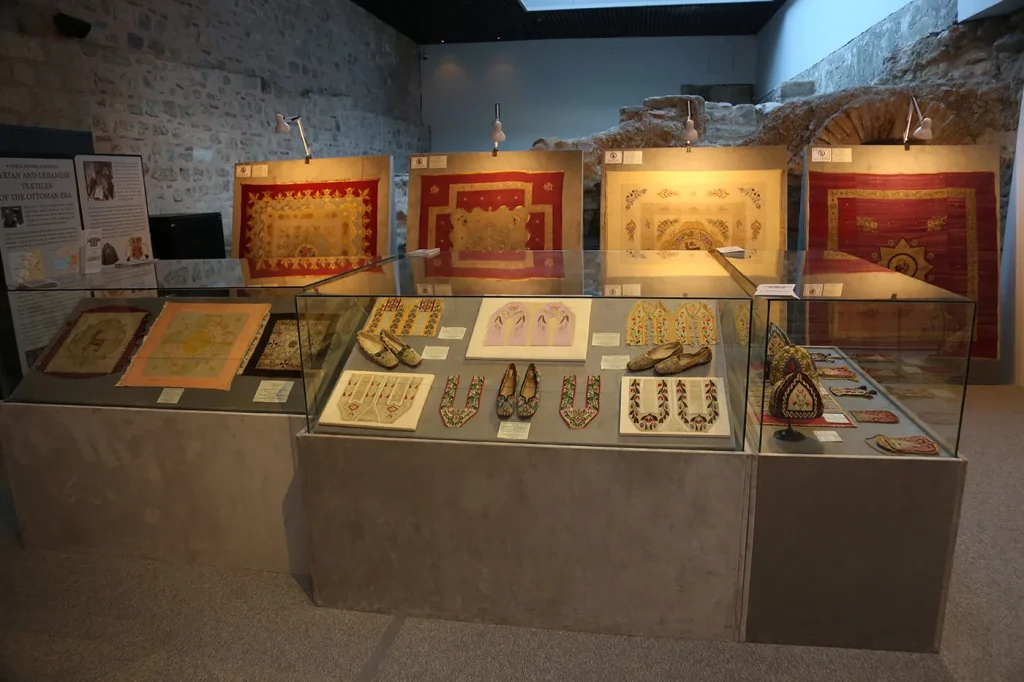
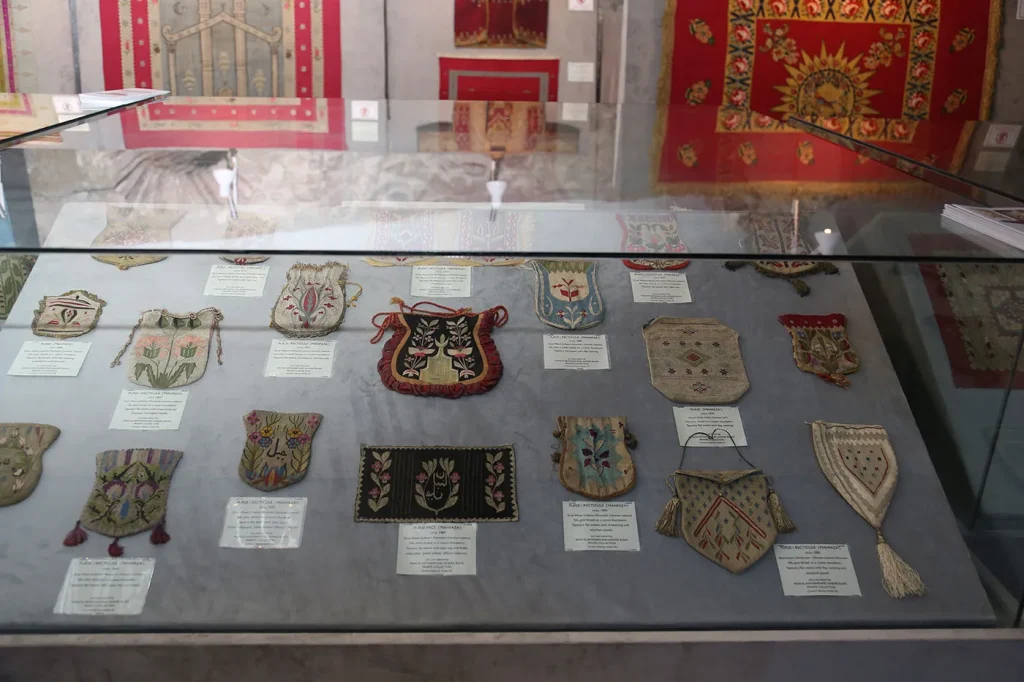
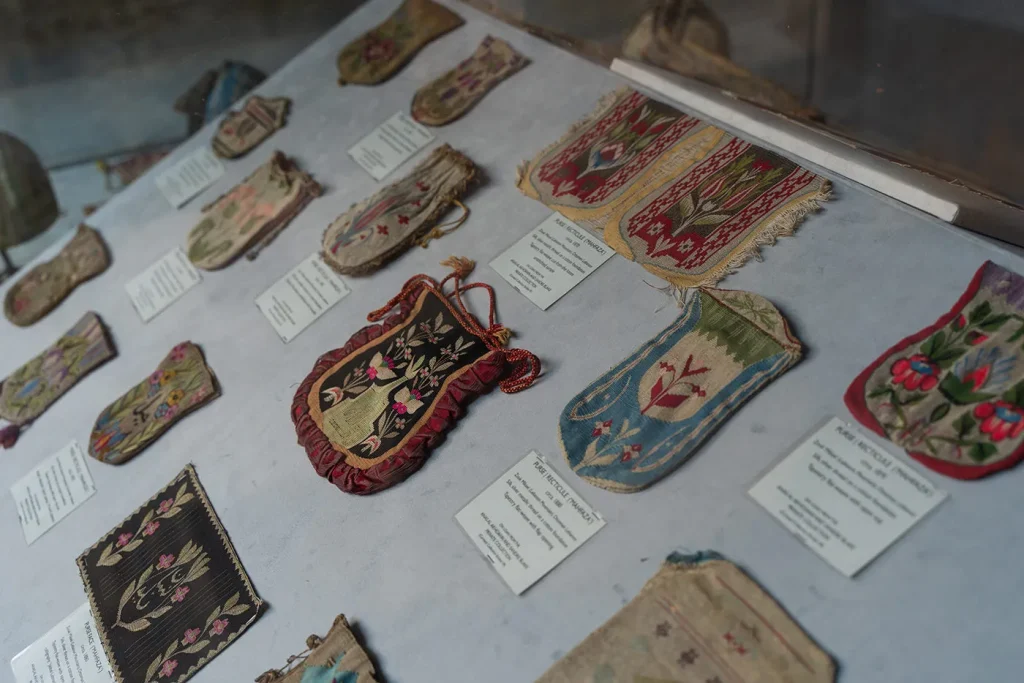
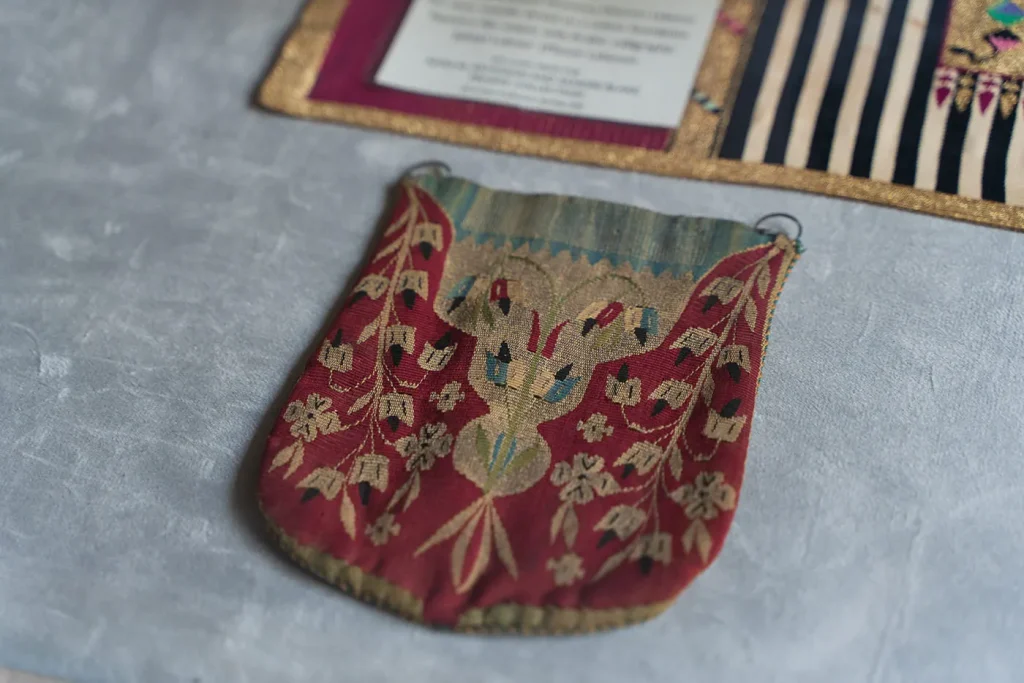
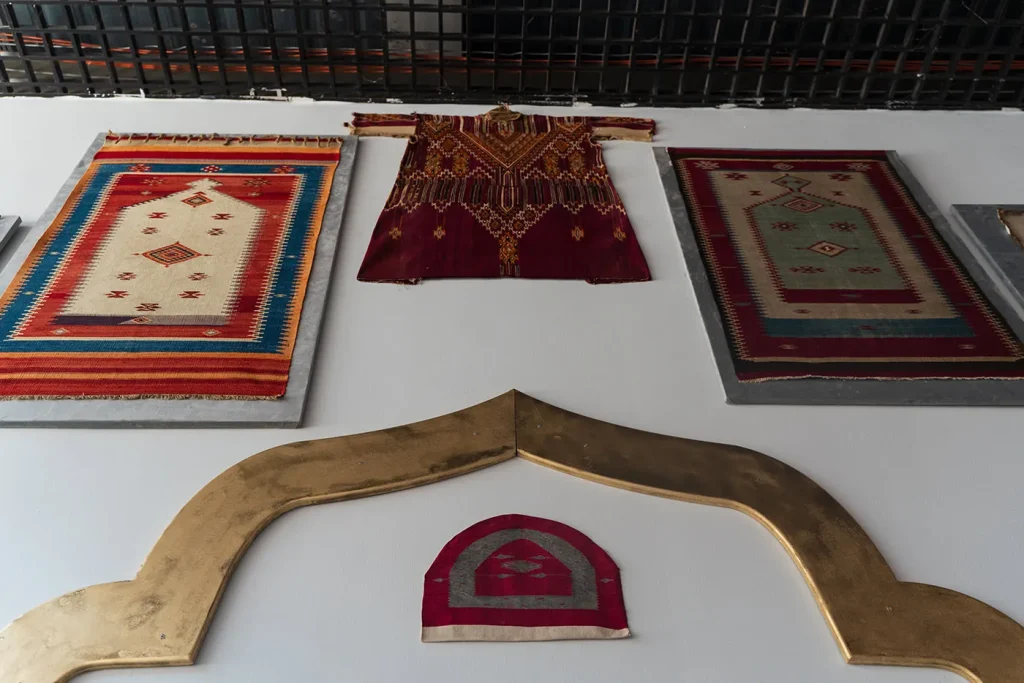
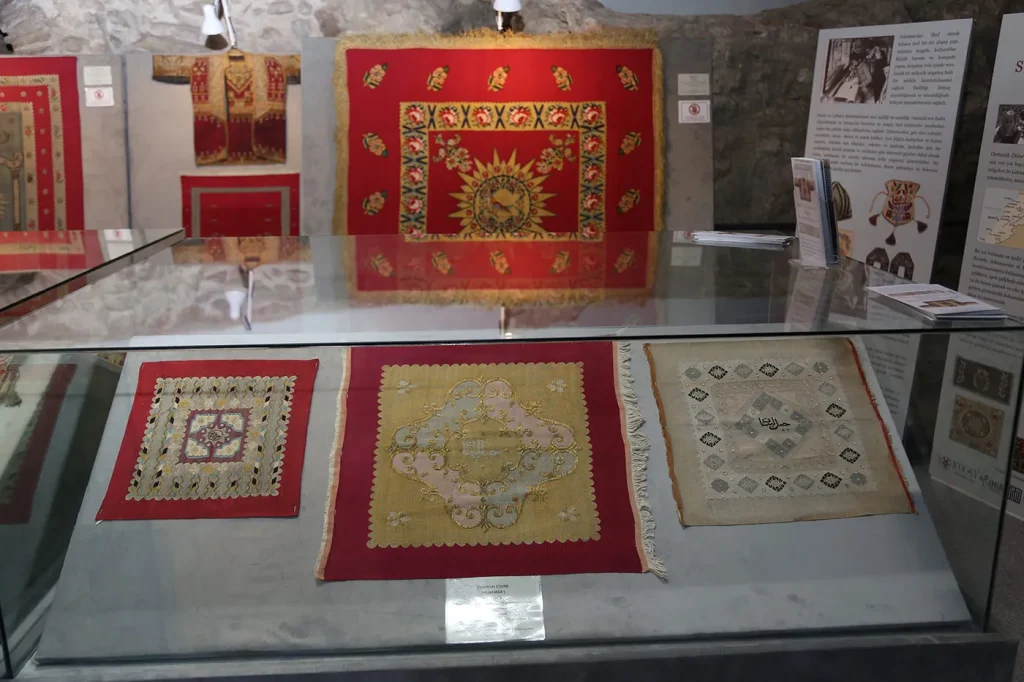
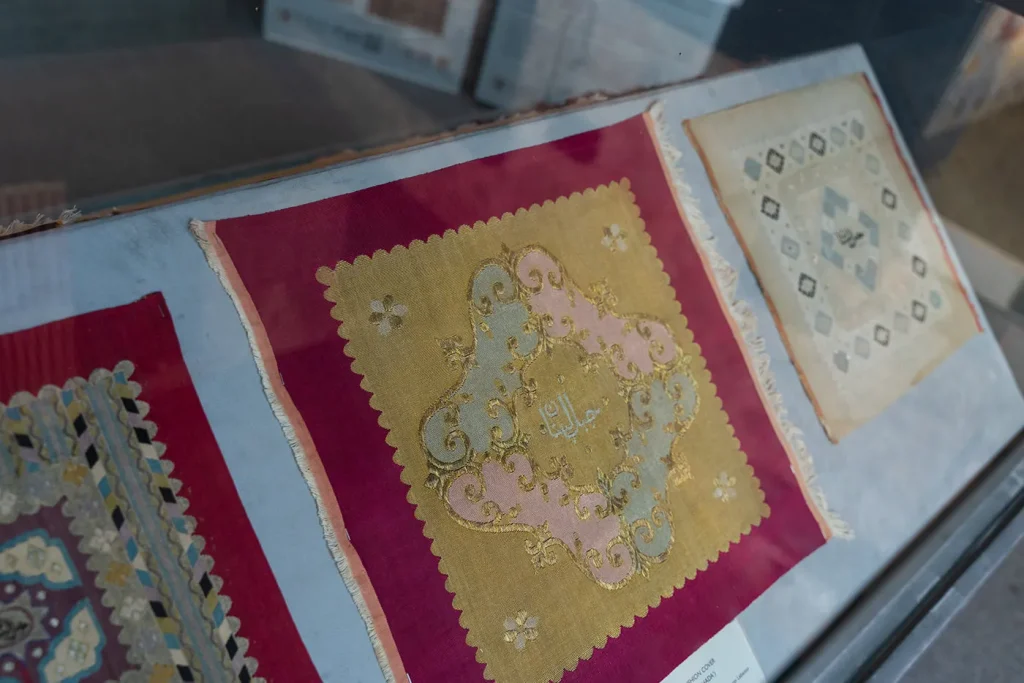
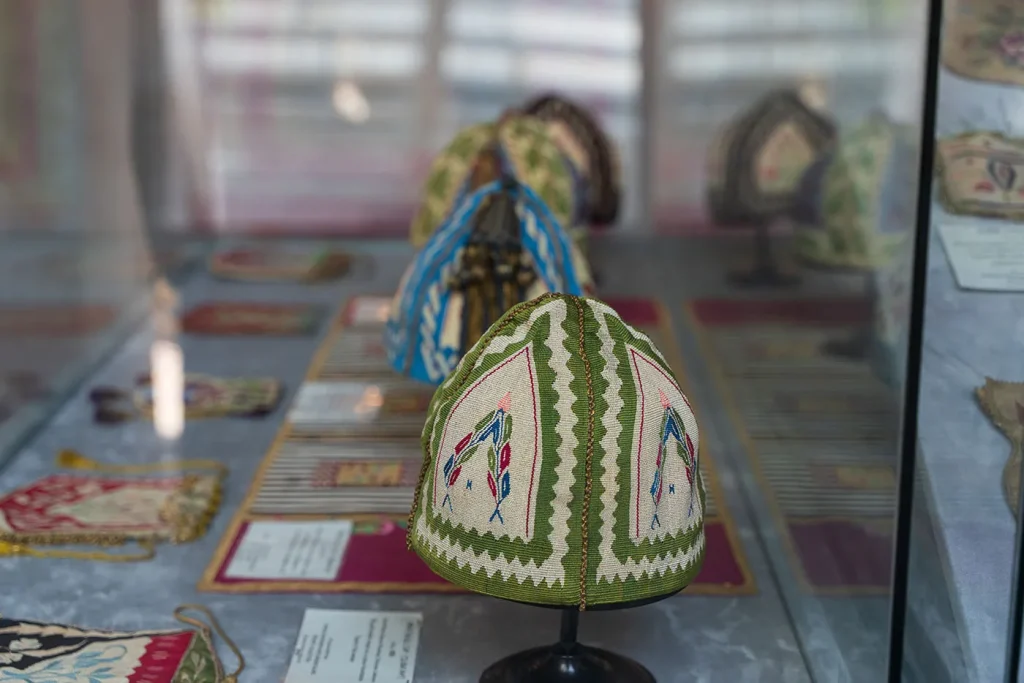
Hidden Gems out of Turkish Islamic Arts Museum (TIEM)
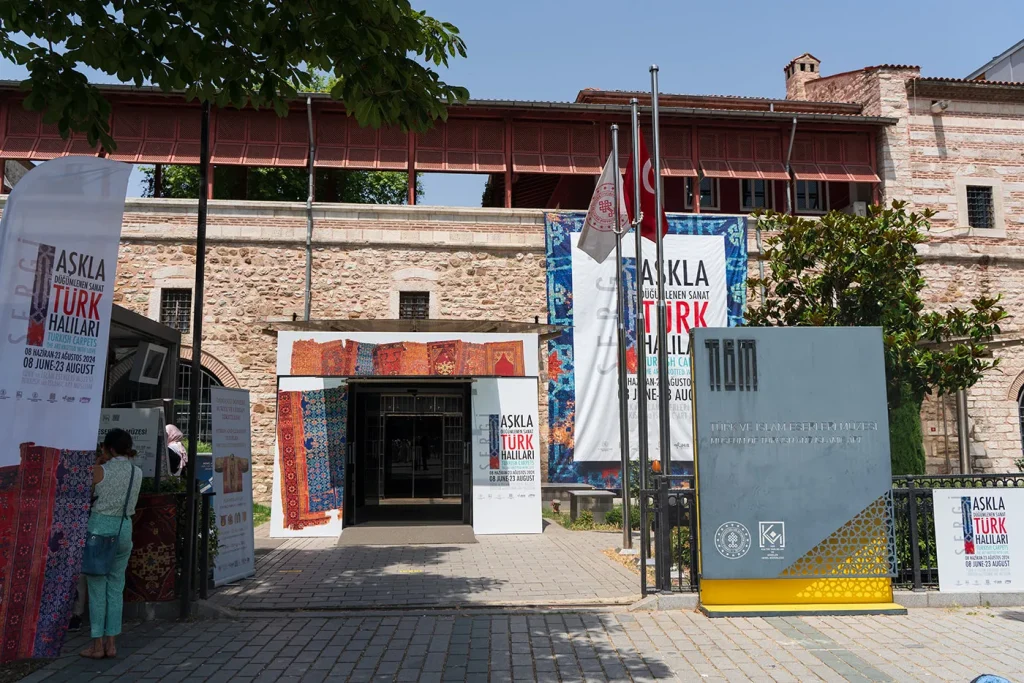
The Museum of Turkish and Islamic Arts is an important cultural institution that houses priceless works spanning a vast geographical and historical range, from the Umayyads and Mamluks to the Great Seljuks, Anatolian Beyliks, and the Ottoman Empire. Each section of the museum could stand as a museum in its own right due to the richness of its collections. Among the most significant holdings are its carpets and manuscript works.
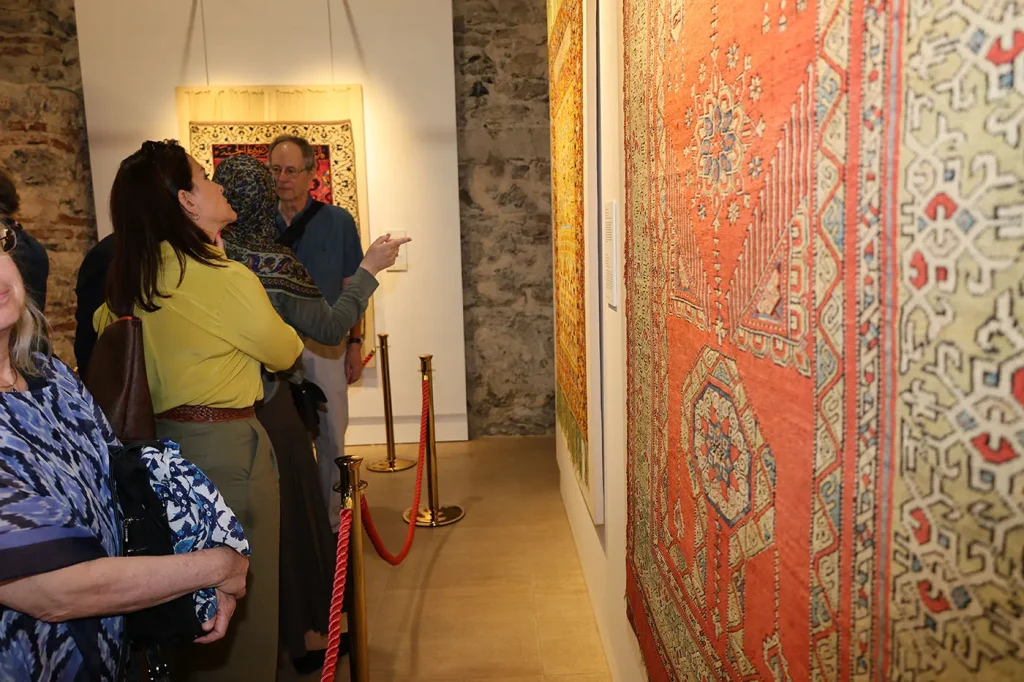
The museum is especially renowned for its outstanding examples of carpet art, particularly Seljuk and Ottoman carpets, which are considered among the finest in the world. These works are not only remarkable for their technical and aesthetic qualities but also for their role as carriers of cultural memory.
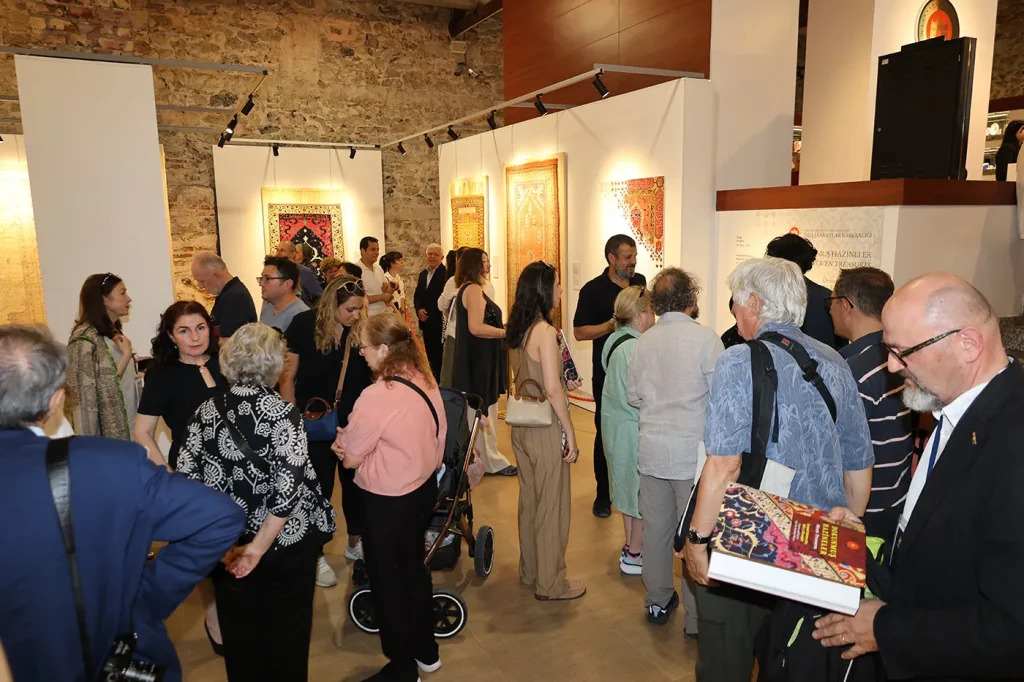
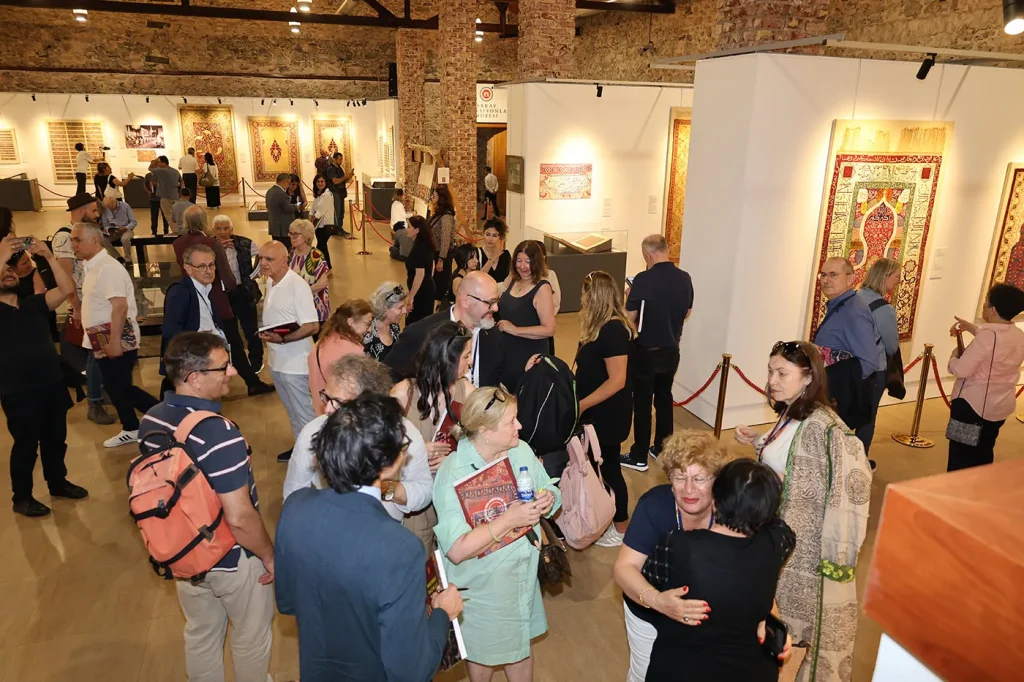
The museum holds some of the most rare and early examples of carpet art, with more than 1,700 works in its exhibition spaces and storage collections. On the occasion of ICOC XV, a selection of 35 previously unseen pieces was chosen and restored in collaboration with the curatorial team.
This selection, made in light of the historical development of carpet art, brought together works that had never been displayed to the public before. It enabled textile enthusiasts, specialists and academics from around the world to closely examine these pieces, contributing to their scholarly reassessment and ensuring that they find a new place within the academic literature on carpet history.



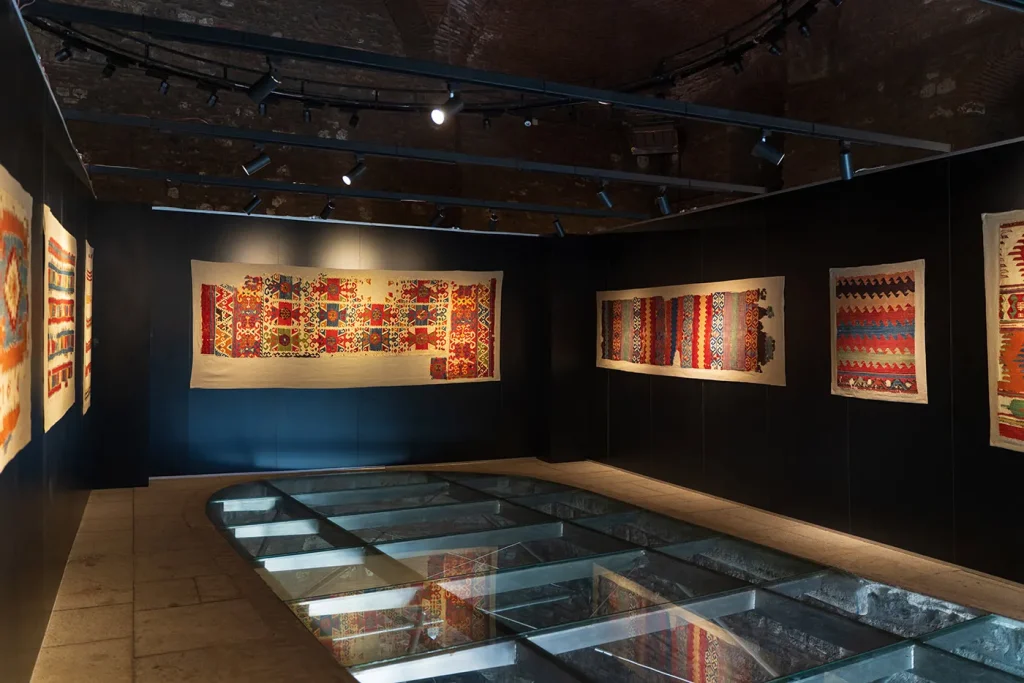
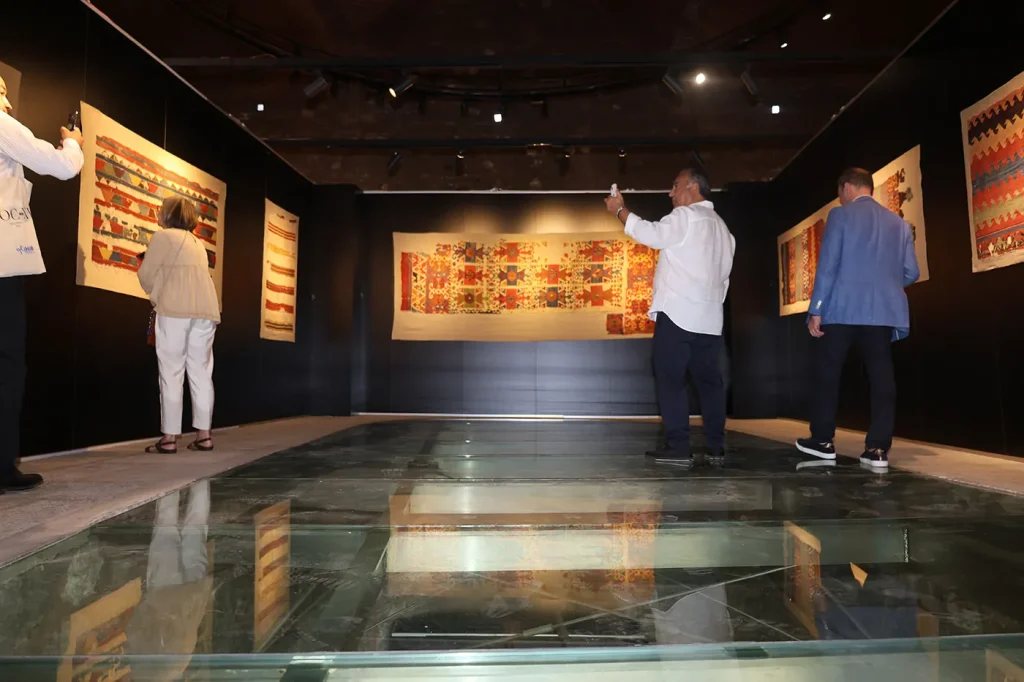
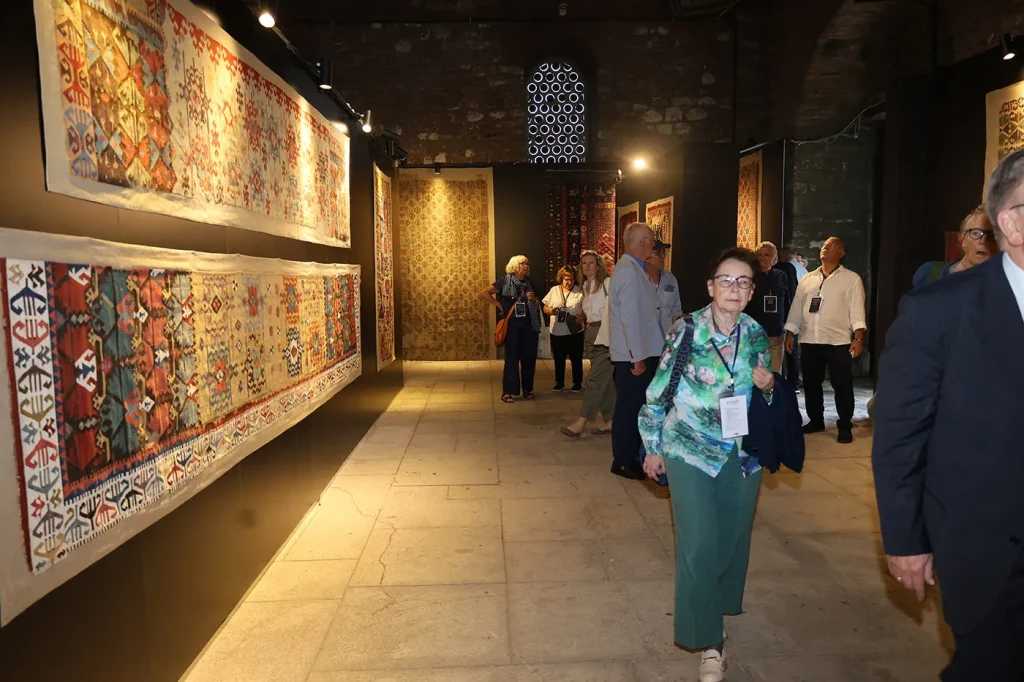
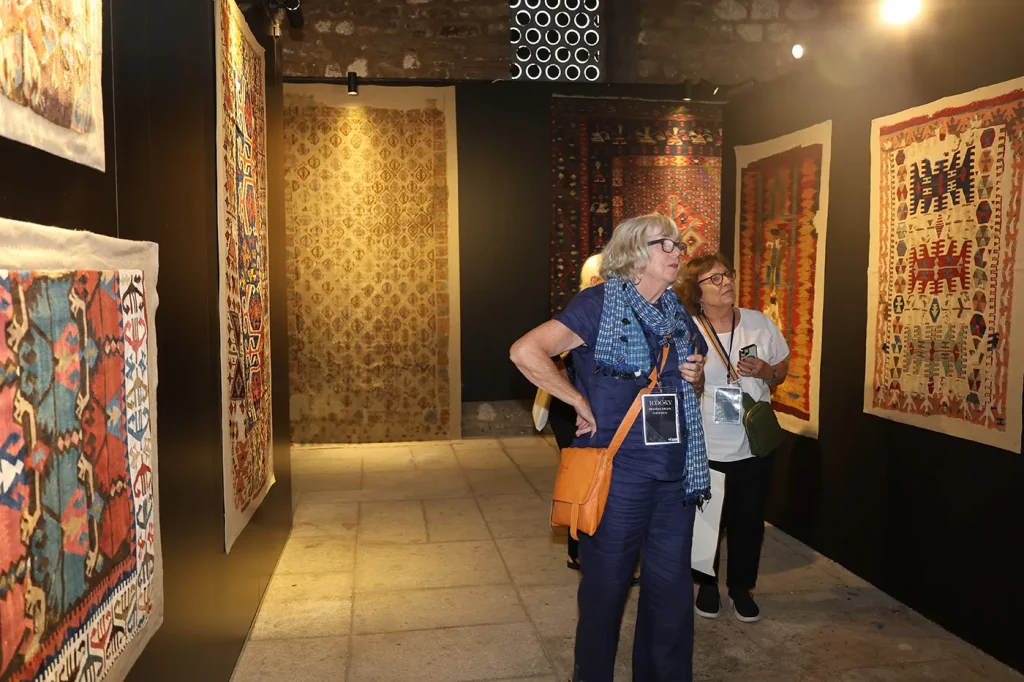
Colors of Anatolia – Kilims from Private Collections
Tophane-i Amire
The rich motif tradition of Anatolian kilims, which is often regarded in Western scholarship as a precursor to modern art, has still not received the recognition it deserves in its country of origin.
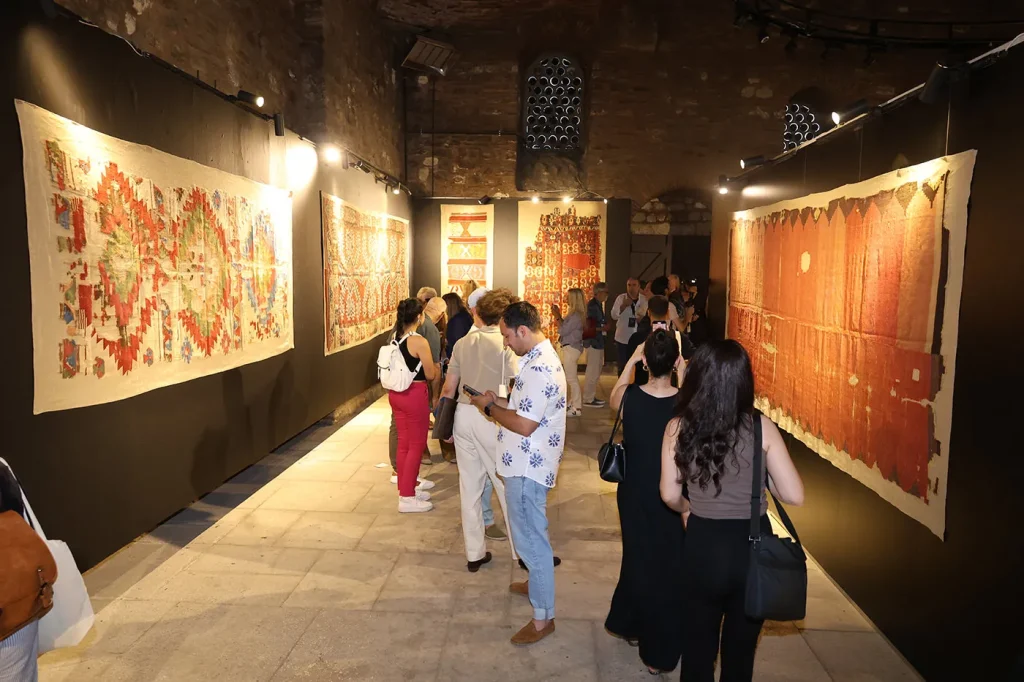
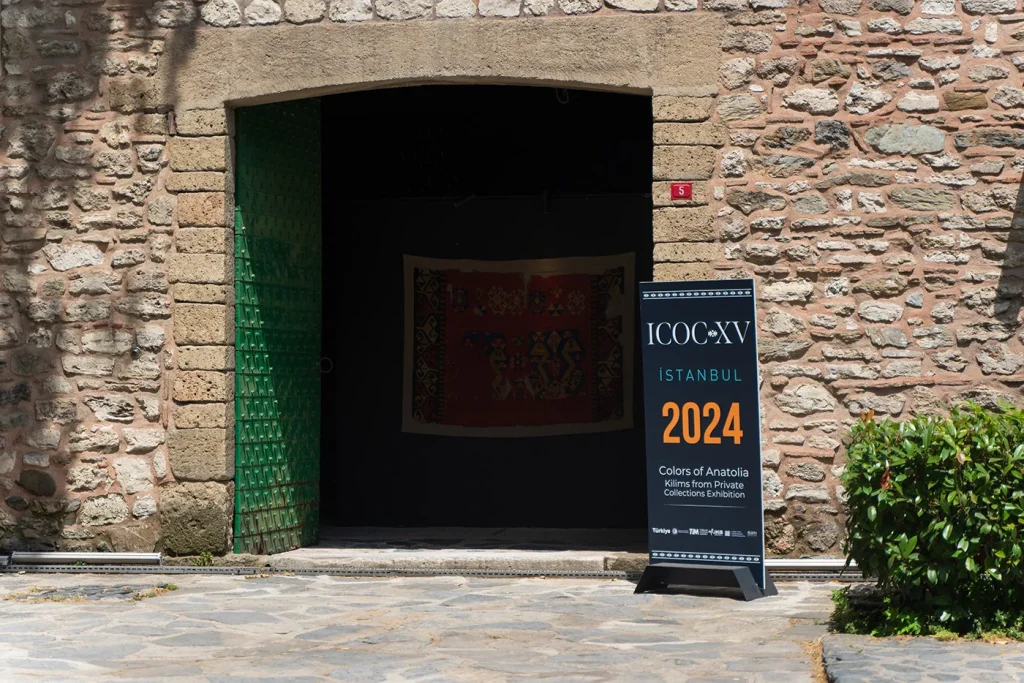
The International Conference on Oriental Carpets (ICOC) aims not only to advance the study of oriental carpets but also to reveal the collecting culture and historical depth of the host country. In this context, ICOC XV was accompanied by an exhibition held at Tophane-i Âmire under the title “Colors of Anatolia – Kilims from Private Collections.”
The exhibition, composed of works loaned from both Turkish and international collectors, shed light on Anatolia’s forgotten history. At the same time, it revealed the enduring pattern memory that Anatolian women have passionately preserved and transmitted through a tradition spanning thousands of years.