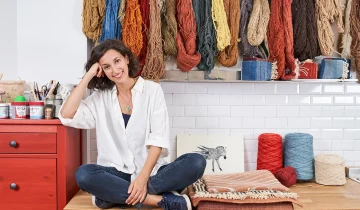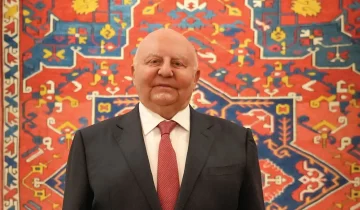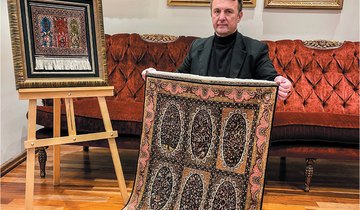

As a collector and cultural carrier, Işıl Akbaygil speaks to Alive – alongside her most valuable companion on this journey, Akın Akbaygil – about preserving culture for the future
Interview: Serra Oruç
Let’s start with your identity as a collector. How did you become interested in kilims, and how did you start collecting them?
Işıl: When we met James Mellaart, he was excavating Çatalhöyük. He explained how the motifs he discovered on wall paintings resembled kilim motifs, which sparked our great curiosity. At that time, he hadn’t presented his findings in England, and the world was unaware of this information. Simultaneously, Belkıs Balpınar and Udo Hirsch were travelling across Anatolia, conducting research and sharing their findings with us frequently. Influenced by our friends, we became intrigued by kilims and began pursuing them.
Perhaps due to my teaching background, I was filled with excitement about sharing the knowledge and culture I encountered. Experiencing the continuity of this motif language across different centuries and regions was unbelievable. Mellaart was right; discovering the persistence of motifs in every kilim I found deepened my curiosity and led me to start collecting.
Akın: Belkıs Balpınar and Udo Hirsch showed us a Sivrihisar kilim. We pursued it, and with Belkıs’s guidance, this Sivrihisar kilim became our first purchase. Then we started buying books; the more we learned, the more curious and fond we grew. Dealers would urge us to buy by saying, “It will go abroad if you don’t take it,” which ultimately made us collectors. Over time, we met many dealers and began building our current collection. We eagerly looked forward to weekends to visit the Grand Bazaar.
Does your collection focus on a particular region or time period? What criteria do you use in your selection?
Işıl: We didn’t focus on any specific region or century. What impressed me the most were the motifs. We acquired kilims with patterns we believed to be beautiful. This is an art where the pattern composition isn’t created by a single artist but is a tradition developed over centuries by many communities with dedication. It’s not something crafted through formal education but continued through the transfer of visual memory. I don’t believe there’s a concept of time in art. Many patterns we consider modern today are actually forms that have evolved from much older times.
Akın: We had certain criteria—iconography, quality, age. Each region holds unique richness. Mellaart’s drawings reveal the depth of this tradition, connecting it to the past. Among kilims, the Sivas region impresses me the most, much like its folk songs. The creative power of Anatolian people manifests in different art forms. Just as this internal creativity turns into notes and sounds in music, in weaving, it transforms into geometric iconography from the loom. Essentially, weaving is an instrument of nomadic tribes. Since they were constantly on the move, they produced items that had to be both strong and aesthetically pleasing.
Kilims are among the most significant representations of the cultural journey in Anatolia. How well do you think this value is appreciated?
Işıl: Anatolia is a rich culture, and I believe its value is not yet fully appreciated in Türkiye. Every foreign community that arrived in Anatolia created with a new sense of assimilation. I think more people should take ownership of this culture. Unfortunately, I’m deeply saddened by the lack of a carpet-kilim museum in our country. It’s disheartening to see other societies value their cultures more.
McCoy Jones, known for having one of the most unique collections, comes to mind. We saw his collection exhibited in Paris and were captivated. Today, these kilims are displayed in a museum in San Francisco. McCoy was one of the first to notice this richness and had a keen eye for selecting the most beautiful pieces. When we started in the 1980s, awareness about this topic was emerging, but unlike McCoy, we weren’t lucky enough to buy pieces at low prices.
Akın: We look at Central Asian weavings, and they seem quite monotonous. When Turks settled in Anatolia, they encountered Neolithic wall paintings, Roman mosaics, and many different art forms. I think this interaction greatly enriched the designs of weaving women. The wealth of colours and forms in Anatolia is unparalleled compared to any other region. An extraordinary diversity. Visiting Perge, we saw a woman weaving on a mosaiccovered ruin while grazing her sheep—a perfect image of cultural interaction. We experienced firsthand how Anatolia contributes to the creation process in history.

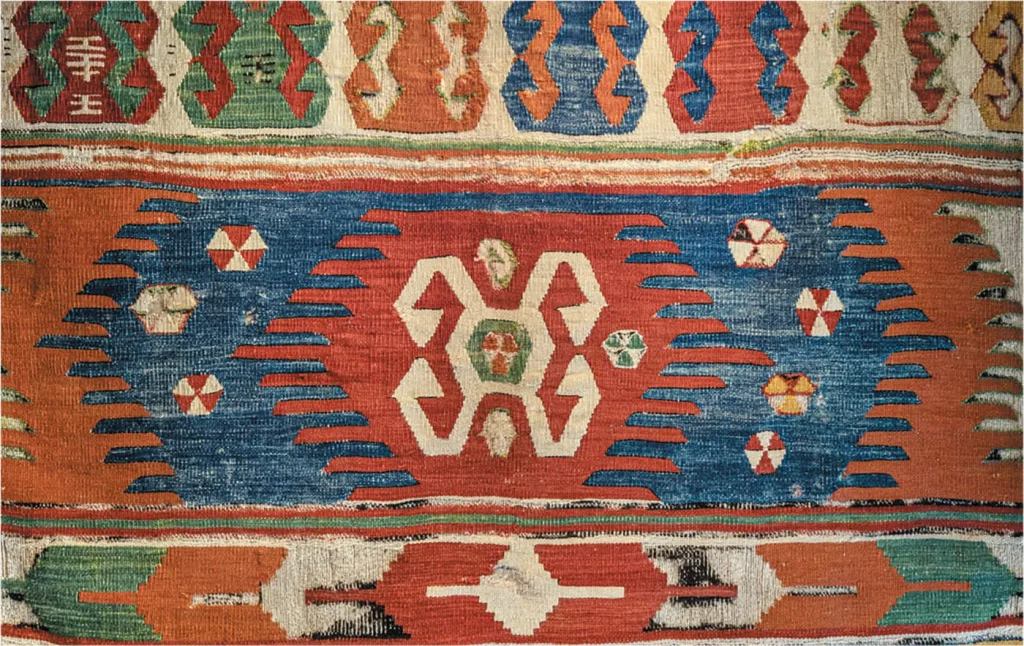
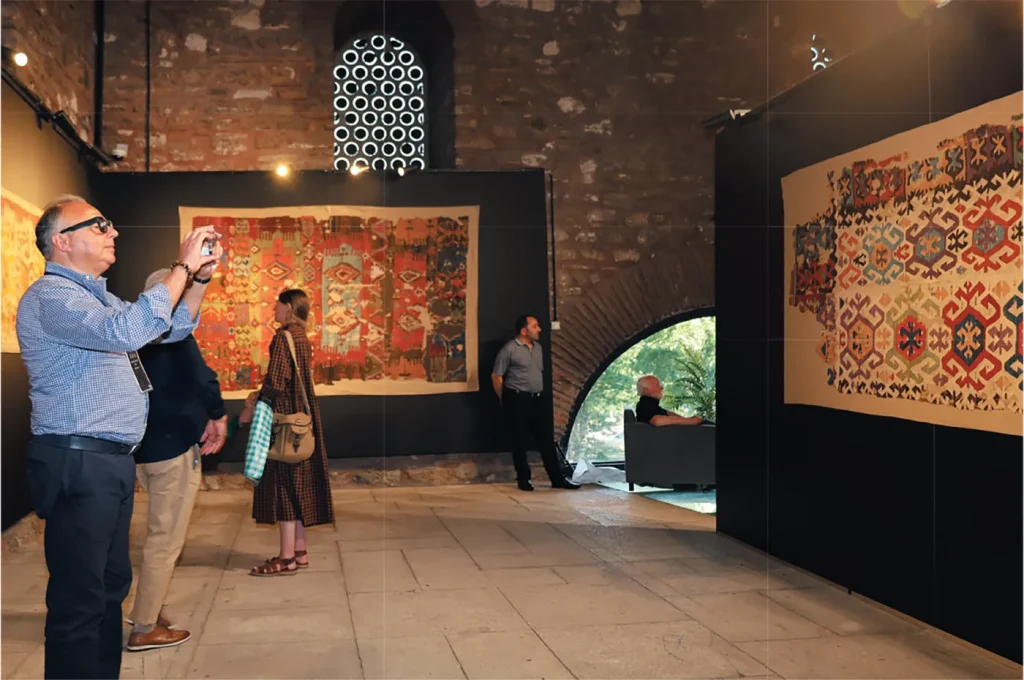
Photo by Serhat Celikten
Last June, your kilims were exhibited at the International Conference on Oriental Carpets in Istanbul. Do you think such events increase awareness?
Işıl: Hosting the International Conference on Oriental Carpets in Istanbul sparked renewed interest. After the conference, I started receiving frequent messages from some dealers and producers. I believe such events increase awareness. One of my biggest dreams is to hold an exhibition of my finest kilims. This event reignited the topic.
Publications like ALIVE are also crucial for spreading awareness. I find such efforts very important as they show this passion persists and bring enthusiasts together.
You are undertaking an important mission, from being a collector to being a cultural carrier. How did you decide to establish the Iznik Foundation?
Işıl: During my tenure at Istanbul University’s Institute of Social Sciences, we were excavating ceramic kilns in Iznik. A respected art historian, Oktay Aslanapa, was part of the team, and his findings deeply influenced me. To support his work, we compiled these studies and published the book Iznik. The mission of transferring the past to the present has always excited me. Being human involves carrying emotions and beliefs beyond materiality, contributing to human history.
I started with a small space and an R&D center, but I always intended to institutionalise it. It began with the collaboration of TÜBİTAK personnel, Turkish academics abroad, and experts from Kütahya. Over two years, we discarded all our work. We almost gave up. Life has crucial turning points; if the final sample we sent to TÜBİTAK hadn’t been accepted, we might not have reached this point.
The history of ceramics in Türkiye is divided into two eras: before the Iznik book and after. This book sparked interest in the subject. Although I don’t find the quality of many current examples sufficient, I believe they contribute to the continuity of art by preserving the originals.
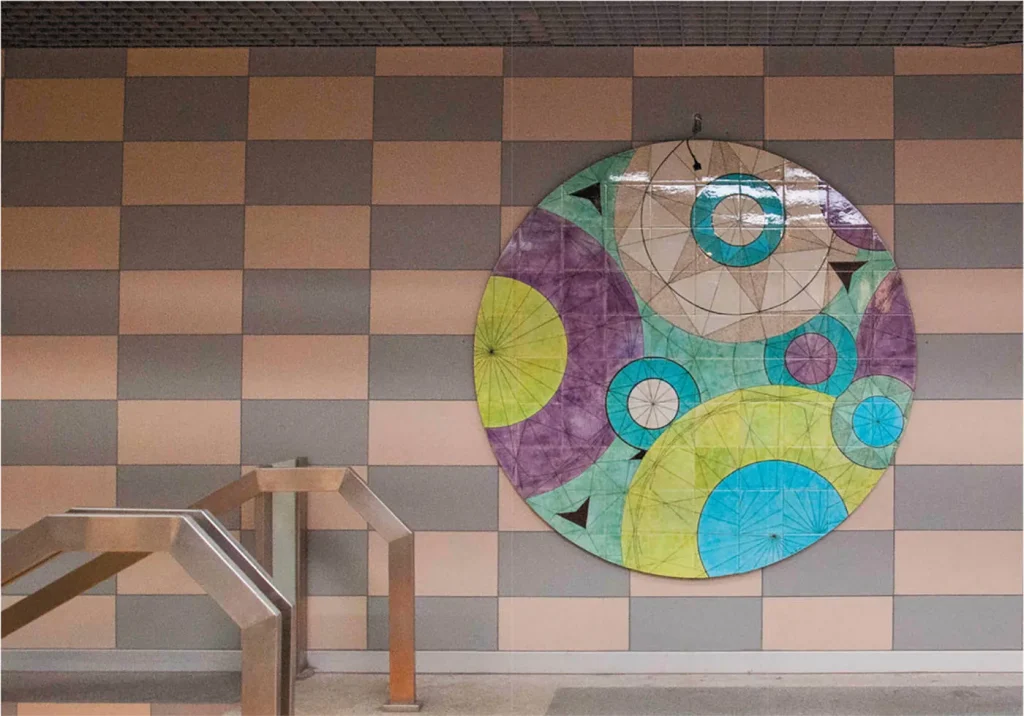

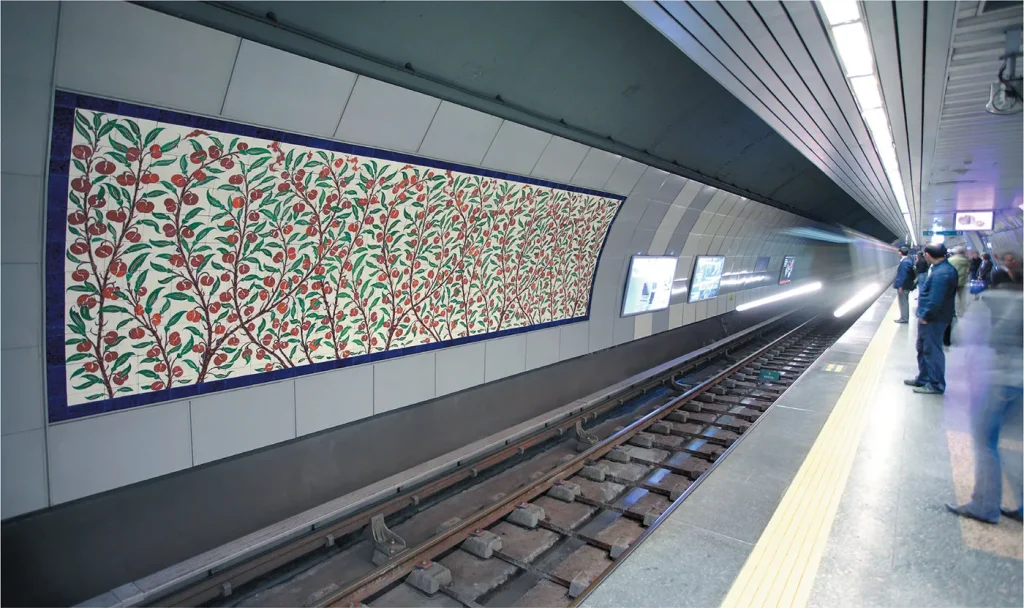
Işıl Akbaygil at Haciosman Metro Station, Istanbul
Today, you are a globally recognised foundation. To what do you owe this success?
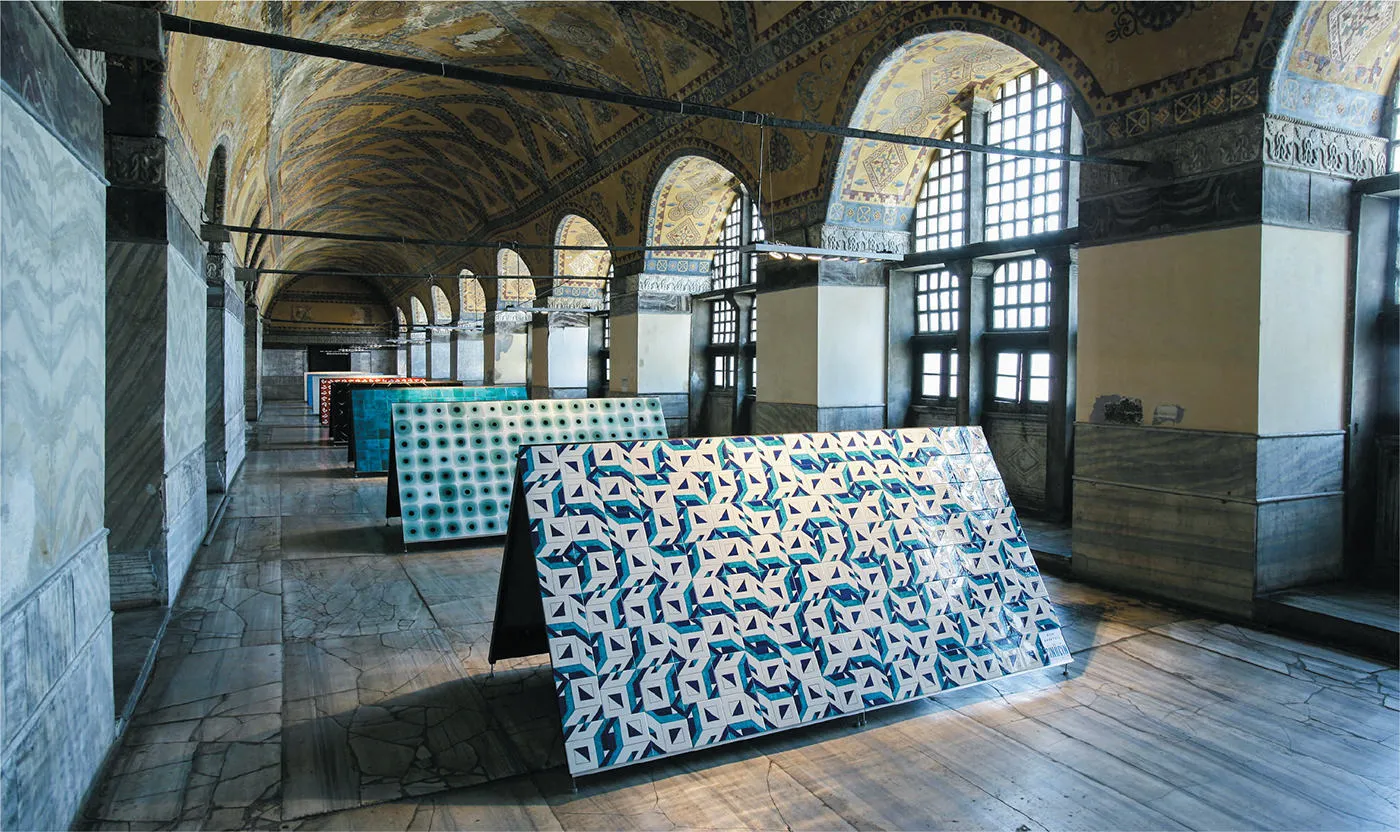
Işıl: Our reputation grew when Istanbul metro stations were adorned with Iznik tiles. We started receiving proposals from countries like Japan and Chile. Knowing that millions of people see Iznik tiles while passing through metro stations makes me very happy. The excitement I feel for kilim motifs is the same as for tiles.
Tile art is a 300-year-old Ottoman tradition. We have sustained its production for 30 years, applying modern technology to traditional methods. To modernise this traditional art, I strive to collaborate with new architects. I am delighted to have worked with names like Zaha Hadid, India Mahdavi, Han Tümertekin, and Nevzat Sayın.
How do you plan to pass on all this legacy to future generations?
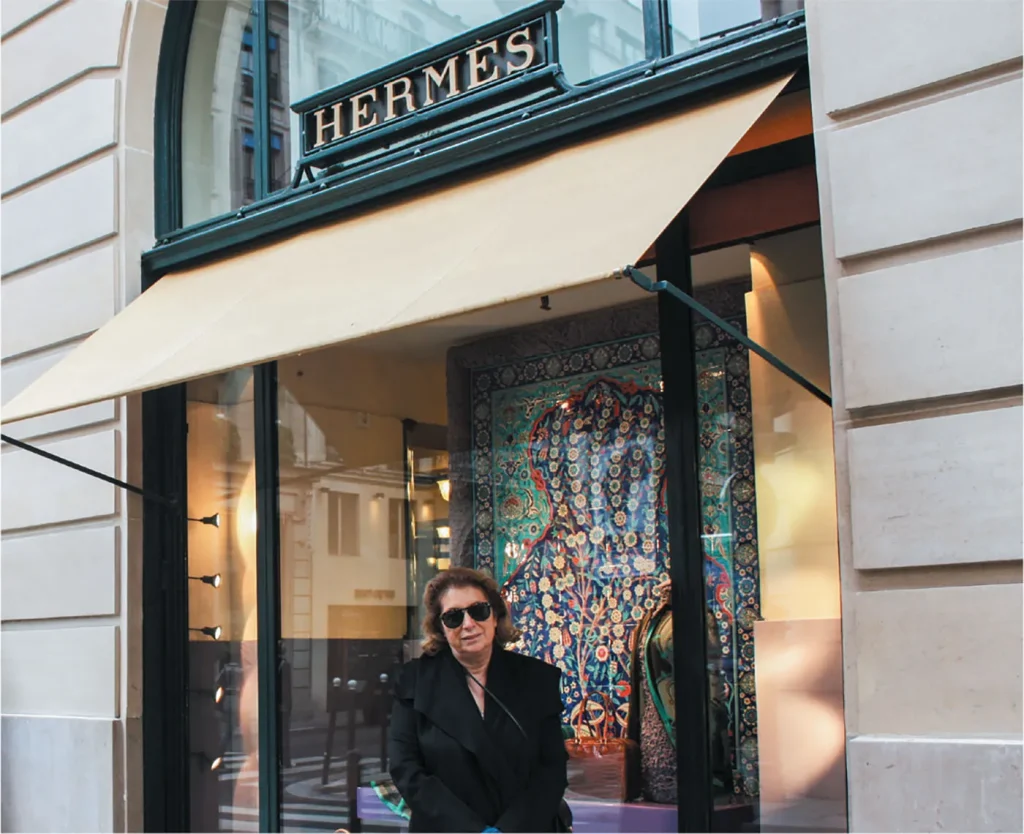
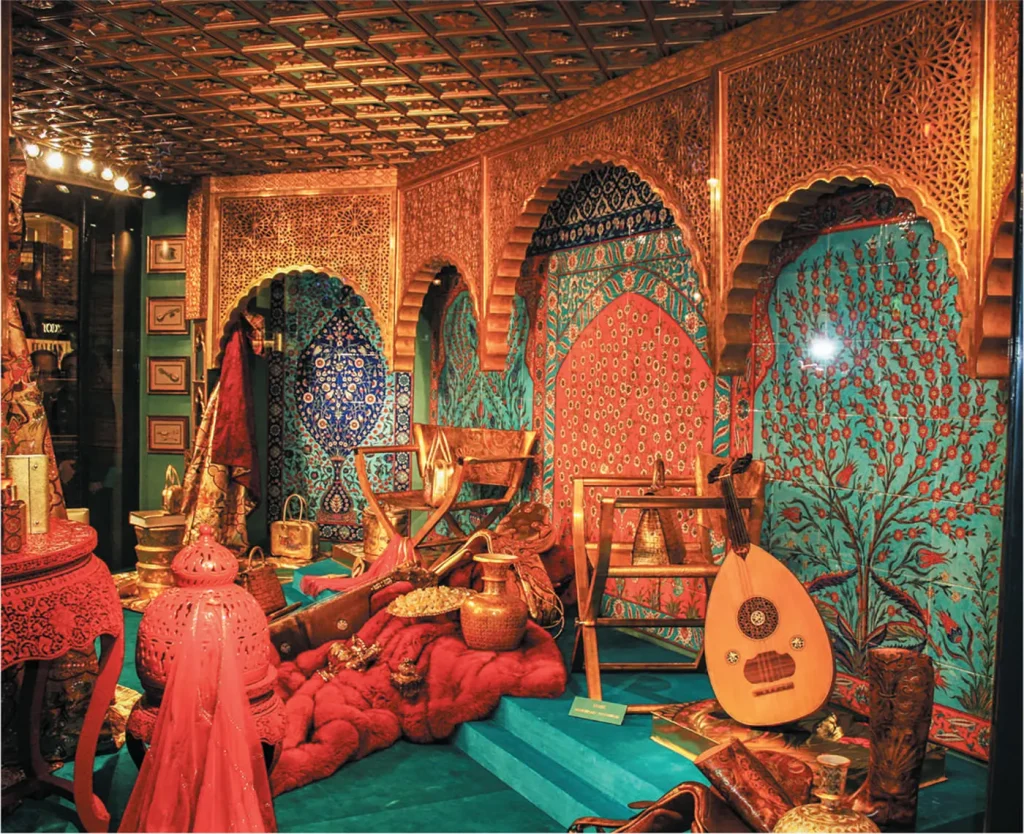
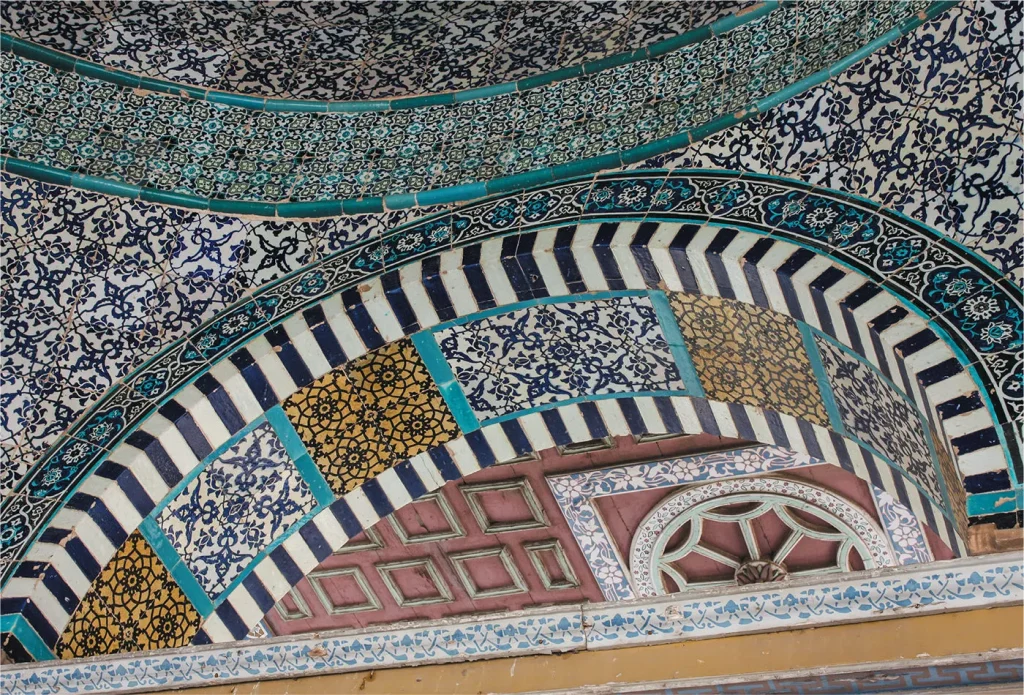
Işıl: Beneath our foundation building, there’s a small space. I want to create a museum collection by showcasing small pieces of our significant works there. We have a specialised library of 7,000 books on tiles, ceramics, carpets-kilims, architecture, and gardens. These need to be exhibited and archived. I could start with pieces from projects like the Al-Aqsa Mosque, Hermes, and global metro systems.
If you look carefully, you can learn something from everyone. Working with different cultures has taught me a lot. Tile art is a culture present in Italy, Spain, and Africa, but Iznik tiles are unique, just like weavings. Young people, especially young artists, need to be aware of this heritage. There’s no copyright in this field; you must innovate, do your best like the Western design world, and always stay ahead.
Mr. Akın, how did you join this journey?
Akın: In marriage, doing something together is very important; it shouldn’t be neglected. Finding shared passions and pursuing them is essential for a strong partnership. Kilim collecting was one of our most significant shared interests from our youth. We looked forward to Saturdays. Thanks to Ms. Belkıs, we visited certain dealers. Finding a beautiful kilim brought us great joy.
You shouldn’t underestimate weaving. It encompasses vast knowledge from economics, anthropology, politics, technology, and sociology. How do you determine a kilim’s quality? Natural dyes were used until the 19th century, making it an essential criterion for a kilim to be added to a collection. Jewish itinerant merchants sold cobalt blue from China until the 1850s. Both artisans and weaving women would wait for these merchants to acquire indigo blue. The introduction of British chemical dyes to the market with the Baltalimanı Treaty marks a significant turning point. A kilim contains an incredible amount of information within it.
Source: ALIVE: İHİB’s Magazine of Anatolian Rugs and Kilims, January 2025, pp. 68–72.